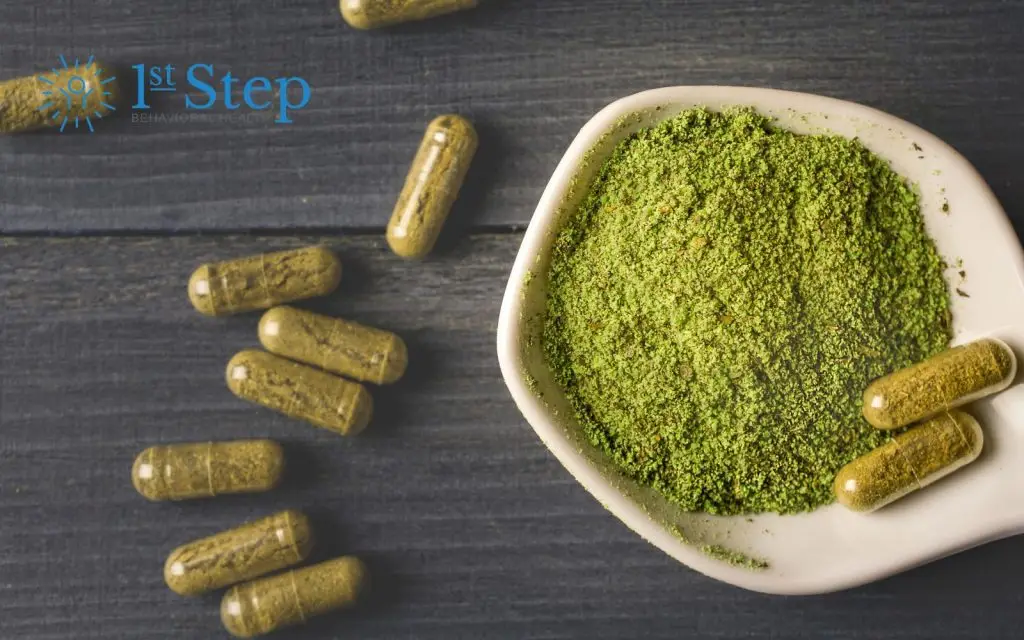
Kratom has gained attention in recent years as a natural remedy often marketed for pain relief, mood support, and even to manage opioid withdrawal. Sold as a dietary supplement in many parts of the United States, it is widely accessible. However, growing evidence shows that kratom can function as a highly addictive substance, leading to physical and psychological dependence and a clinically recognized substance use disorder.
For individuals in South Florida, understanding kratom addiction treatment in Pompano Beach is essential. This guide explains how kratom affects the body, what treatment looks like, and what to expect during the recovery journey.
Understanding Kratom Addiction
Kratom (Mitragyna speciosa) contains alkaloids such as mitragynine that interact with opioid receptors in the brain. At low doses, it may act as a stimulant, while at higher doses it produces opioid-like effects. This dual action contributes to its misuse.
Although often perceived as safer than opioids, kratom can still lead to dependence and eventually kratom use disorder. According to the Centers for Disease Control and Prevention (CDC), kratom exposure was involved in over 3,400 overdose deaths in the U.S. between 2011 and 2017, often in combination with other substances.[1] Additionally, the Substance Abuse and Mental Health Services Administration (SAMHSA) has reported increasing calls related to kratom abuse, indicating rising concern among healthcare providers.
Signs and Symptoms of Kratom Addiction
Recognizing the signs and symptoms early can support early intervention. Common symptoms of kratom misuse include:
- Intense cravings and compulsive drug use
- Increasing tolerance and escalating doses
- Withdrawal discomfort when attempting to quit kratom
- Mood instability, anxiety, or depression
- Physical symptoms such as muscle aches, nausea, and insomnia
Over time, individuals may develop both the addiction and a related mental health disorder, particularly when kratom is used to self-treat underlying mental health issues or chronic pain.
Kratom Withdrawal and Detox
When someone stops using kratom, kratom withdrawal can occur. These symptoms are similar to opioid withdrawal, though often milder in severity depending on the level of use.
Common kratom withdrawal symptoms include:[2]
- Muscle aches
- Irritability and anxiety
- Insomnia
- Sweating and chills
- Gastrointestinal discomfort
- High blood pressure in some cases
The intensity of withdrawal depends on the duration and amount of kratom use. Individuals with moderate addiction may experience manageable symptoms, while those with severe dependence may require structured care.
The Role of Kratom Detox
A supervised kratom detox is often the first step in addiction recovery. A medical detox provides:
- Continuous monitoring by licensed medical professionals
- Symptom relief through medication management
- Support to reduce cravings and stabilize the body
According to SAMHSA, medically supervised detox improves safety and increases the likelihood of continuing into long-term addiction treatment.[3]
Kratom Addiction Treatment Options in Pompano Beach
There is no one-size-fits-all solution for kratom addiction treatment. Effective care combines medical and psychological approaches, tailored to the individual’s needs.
Residential and Inpatient Programs
For individuals with severe kratom dependence or co-occurring disorders, inpatient programs or residential rehab may be recommended. These structured settings provide:
- 24/7 medical supervision
- A controlled environment away from triggers
- Integrated dual diagnosis treatment for mental health conditions
Residential programs are particularly beneficial when kratom use is linked to opioid addiction, drug abuse, or complex mental disorders.
Outpatient Treatment and Rehab
For those with moderate addiction, outpatient treatment offers flexibility while maintaining access to care. Options include:
- Standard outpatient rehab
- Intensive outpatient program (IOP) with multiple weekly sessions
Outpatient care allows individuals to continue their daily responsibilities while participating in a structured treatment program.
Medication Assisted Treatment
Medication-assisted treatment (MAT) can help manage withdrawal and cravings. While there is no FDA-approved medication specifically for kratom, clinicians may use medications commonly used for opioid withdrawal to:
- Stabilize brain chemistry
- Ease discomfort
- Support long-term addiction recovery
This approach is part of modern addiction medicine, which emphasizes evidence-based care.
Therapy Options
Behavioral therapies are central to treating the psychological aspects of kratom addiction.
Individual Therapy
Helps patients explore triggers, coping strategies, and mental health issues.
Group Therapy and Counseling
Group therapy and group counseling provide peer support and shared accountability, both essential for lasting recovery.
Dual Diagnosis Treatment
Many individuals with kratom abuse also experience co-occurring mental health challenges, such as anxiety or depression. Dual diagnosis care addresses both the addiction and the mental health disorder simultaneously.
Addressing the Underlying Causes of Kratom Addiction
Kratom is often used to manage chronic pain or emotional distress. Effective treatment options must address these underlying factors.
Chronic Pain Management
Some individuals begin using kratom for pain relief. In treatment, providers may introduce safer alternatives such as:
- Non-opioid medications
- Physical therapy
- Behavioral pain management techniques
Self-Medicating Mental Health Conditions
Many people begin abusing substances like kratom to cope with untreated symptoms of a mental illness. For example, kratom can cause opioid-like effects, which can numb intense emotions or relieve anxiety in the short term. However, self-medicating with drugs only worsens your symptoms over time.
According to Columbia University, nearly 50% of individuals with a substance use disorder also have a co-occurring mental health condition.[4] Addressing these mental health conditions is critical to prevent relapse.
Treatment plans often include:
- Psychiatric evaluation
- Ongoing medication management
- Evidence-based therapies for anxiety, depression, and trauma
What to Expect During Kratom Addiction Treatment in Pompano Beach
Entering a treatment center can feel uncertain. Understanding the process helps set realistic expectations.
Assessment and Intake
The first step involves a comprehensive evaluation of:
- Substance use history
- Physical health
- Mental health
- Presence of co-occurring disorders
This information guides the creation of a personalized treatment program.
Detox Program
If needed, patients begin with a supervised detox program to manage kratom withdrawal safely.
Active Treatment Phase
Patients participate in a structured schedule that may include:
- Individual therapy sessions
- Group therapy
- Educational workshops on drug use and recovery
- Skill-building for managing cravings and triggers
Aftercare and Support
Long-term success depends on continued support after formal treatment ends. This may include aftercare services like:
- Support groups
- Ongoing outpatient therapy
- Relapse prevention planning
The recovery process is ongoing, and continued engagement improves outcomes.
Potential Health Risks of Kratom Use
While often marketed as safe, kratom carries significant potential health risks, especially with prolonged use.
Reported risks include:
- Liver toxicity
- Cardiovascular issues, including high blood pressure
- Dependency and withdrawal
- Interaction with other substances increases overdose risk
The Centers for Disease Control and Prevention (CDC) has linked kratom to hundreds of deaths, frequently involving polysubstance use.
The Importance of Early Intervention
Delaying treatment can allow kratom dependence to deepen, making recovery more complex. Early intervention offers several advantages:
- Shorter detox periods
- Reduced risk of severe withdrawal
- Better outcomes in long-term recovery
Individuals who seek help early are more likely to achieve lasting recovery and rebuild stability in their lives.
Building a Sustainable Addiction Recovery Journey
Recovery from kratom addiction is not just about stopping use—it involves rebuilding physical and emotional health.
Key elements of long-term recovery include:
- Ongoing therapy to address psychological dependence
- Healthy routines and stress management
- Engagement in support groups
- Continued monitoring by licensed medical professionals
The goal is not only to stop drug abuse but to develop the skills needed to maintain wellness over time.
Get Connected to a Top-Rated Kratom Addiction Treatment Program in Pompano
Kratom may be marketed as a harmless or even beneficial product, but its effects on opioid receptors make it a potentially addictive substance with real risks. For those struggling with kratom use disorder, professional addiction treatment offers a clear path forward.
Kratom addiction treatment in Pompano Beach includes a range of evidence-based options—from medical detox and residential rehab to outpatient treatment and dual diagnosis care. With proper support, individuals can safely quit kratom, address underlying issues, and move toward lasting recovery.
If you or someone you know is experiencing intense cravings, withdrawal, or loss of control over kratom use, contact 1st Step Behavioral Health. We can help you recover from kratom addiction using a combination of medical detox, evidence-based therapies, and more.
Frequently Asked Questions About Kratom Addiction Treatment
1. How long does kratom addiction treatment typically last?
The length of kratom addiction treatment varies based on the severity of kratom dependence, overall health, and whether co-occurring disorders are present. A detox program may last several days to a week, while structured care such as an intensive outpatient program or residential rehab can continue for several weeks to a few months. Long-term recovery often includes ongoing therapy and participation in support groups.
2. Is kratom addiction treated the same as opioid addiction?
Kratom affects opioid receptors, so some treatment strategies overlap with those used for opioid addiction, particularly during detox and medication-assisted treatment. However, kratom addiction also has unique psychological aspects, and treatment plans are adjusted accordingly. Providers in addiction medicine tailor care to address both the physical and behavioral components of kratom use disorder.
3. Can I receive treatment while continuing to work or attend school?
Yes. Many individuals choose outpatient treatment or an outpatient rehab program, which allows them to maintain work, school, or family responsibilities. Flexible scheduling, including evening sessions, is often available. This option is typically recommended for those with moderate addiction who have a stable home environment and strong external support.
4. Will insurance cover kratom addiction treatment?
Coverage depends on your specific insurance plan, but many policies provide benefits for substance abuse and mental health services administration-recognized conditions, including substance use disorder. Services such as medical detox, therapy, and medication management are often partially or fully covered. It is best to contact your provider or a local treatment center to verify benefits.
5. What should I look for when choosing a treatment center in Pompano Beach?
When selecting a treatment center, consider whether it offers:
- Care from licensed medical professionals
- Comprehensive dual diagnosis treatment for mental health conditions
- Multiple levels of care, including inpatient programs and outpatient treatment
- Evidence-based therapies and addiction recovery support
- A focus on relapse prevention and long-term outcomes
Choosing a program that aligns with your specific needs increases the likelihood of effective treatment and sustained recovery.
6. What happens if I relapse after treatment?
Relapse can occur during the recovery process, especially with substances that cause psychological dependence and intense cravings. If relapse happens, it does not mean treatment has failed. Many individuals return to care, adjust their treatment program, or increase support through therapy and support groups. Early response helps prevent a return to regular drug use and supports continued progress toward recovery.
References:
- The Centers for Disease Control and Prevention (CDC): Notes from the Field: Unintentional Drug Overdose Deaths with Kratom Detected — 27 States, July 2016–December 2017
- Research Gate: Kratom Withdrawal: Discussions and Conclusions of a Scientific Expert Forum
- Psychiatry Online: SAMHSA Details Detoxification Role in Addiction Treatment
- Columbia University: Substance Use Disorder and Mental Illness Often Go Hand in Hand. Both Must Be Addressed.
Jump to a Section
Call (855) 425-4846