
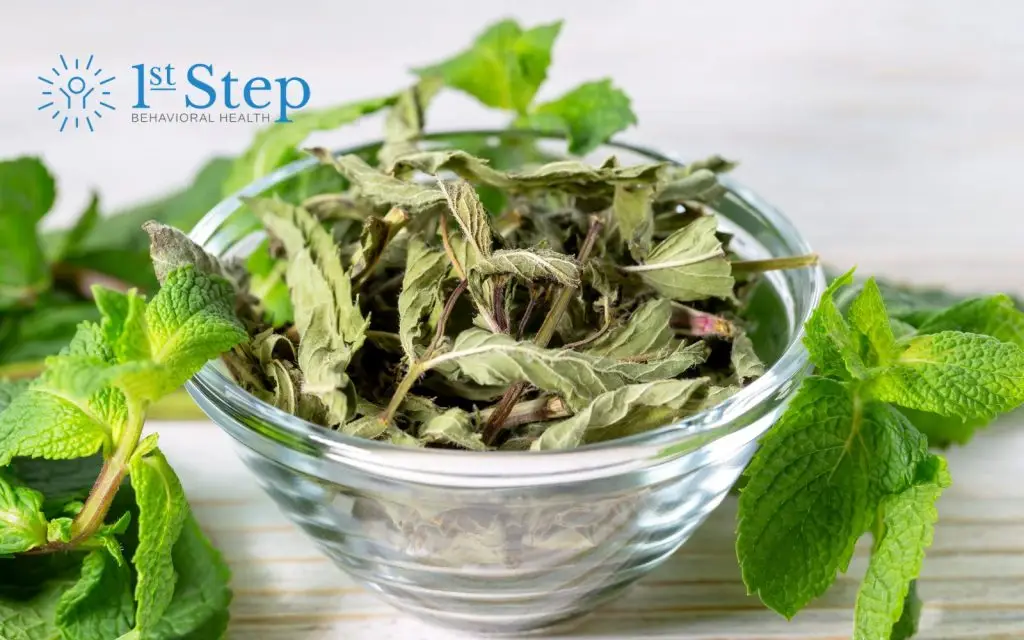
Kratom is often marketed as a natural remedy or dietary supplement, but for many people, it becomes something far more complicated. What begins as an attempt to manage chronic pain or improve mood can gradually turn into dependence. If you or someone you care about is considering kratom detox in Pompano Beach, understanding what lies ahead can make the first step feel more manageable.
This article walks through the process with clarity—what kratom addiction looks like, how detox works, and what recovery can realistically involve. If you or a loved one needs treatment to address addiction, find comprehensive care at First Step Behavioral Health.
Understanding Kratom Addiction
Kratom’s active compounds interact with opioid receptors in the brain. At low doses, it may produce stimulating effects. At high doses, it can act more like opioids, leading to sedation and pain relief. Over time, repeated kratom use can lead to both physical and psychological dependence.
Kratom addiction affects people in different ways, but a common thread is the gradual loss of control. What once felt helpful becomes necessary just to feel normal. This pattern is often part of a broader substance addiction cycle, especially for individuals already vulnerable to substance use disorders or mental health issues.
Despite its reputation as a “natural” option, kratom is considered a highly addictive substance when used frequently or in high doses. The line between use and dependence can blur quickly. People who abuse kratom often need professional support to stop using it and move forward safely.
Signs and Symptoms of Kratom Abuse
Kratom abuse can spiral into a serious problem quickly. Recognizing kratom abuse early can make a meaningful difference.
Some of the more common signs and symptoms include:
- Intense cravings and a deep need to continue using
- Increasing dosage over time
- Withdrawal symptoms when not using
- Changes in mood, including irritability or anxiety
- Physical issues such as muscle aches, high blood pressure, or fatigue
- Neglecting responsibilities due to drug use
Kratom addiction can also affect both the addiction itself and underlying mental health disorders. Many individuals find that kratom use masks deeper psychological aspects, including depression, trauma, or anxiety.
What Kratom Withdrawal Feels Like
Kratom withdrawal can resemble opioid withdrawal in many ways. While not always life-threatening, it can be deeply uncomfortable and difficult to manage alone.
Common kratom withdrawal symptoms include:
- Muscle aches and physical discomfort
- Insomnia
- Anxiety or agitation
- Depression or low mood
- Sweating and chills
- Nausea
- Intense cravings
Many people experience withdrawal symptoms within hours to a day after their last use. Symptoms may peak over a few days and gradually improve over a few weeks. Still, the psychological dependence can linger much longer.
Because kratom’s effects involve opioid receptors, withdrawal can feel similar to opioid withdrawal, especially for those who have used high doses or combined kratom with other substances.
Why Medical Detox Matters
A kratom detox program provides a structured, supportive environment where individuals can safely experience withdrawal symptoms under medical supervision. This is often the first stage of addiction treatment. Medical detox is not just about stopping drug use—it is about stabilizing both physical and mental health.
Withdrawal can place stress on the body, especially for individuals with co-occurring disorders or underlying health conditions. During medical detox, professionals trained in addiction medicine monitor symptoms and may provide medication-assisted treatment or medication management when appropriate. These approaches can ease discomfort, reduce cravings, and help prevent relapse early in the recovery journey.
What Happens During a Kratom Detox Program
Entering a kratom detox in Pompano Beach typically begins with an assessment. This includes evaluating substance use history, mental health issues, and any co-occurring disorders.
From there, the treatment program unfolds in several stages. Here is an overview of the steps treatment typically takes.
1. Intake and Evaluation
Medical and clinical teams assess the severity of kratom use disorder, physical and psychological dependence, and any additional substance abuse or drug addiction concerns.
2. Stabilization
During this phase, the focus is on helping the body adjust to the absence of kratom. Medical supervision ensures safety, particularly if other drugs or alcohol are involved.
3. Supportive Care
Patients receive emotional support, hydration, nutrition, and rest. Addressing physical and mental health together is essential at this stage.
4. Transition Planning
Detox is only the beginning. Before leaving detox, individuals work with professionals to identify next steps in their addiction recovery.
Treatment Options After Detox
Completing detox does not mean the work is finished. Lasting recovery depends on continued care and a thoughtful treatment approach.
Here is an overview of the treatment options available to support long-term addiction recovery.
Residential Rehab and Inpatient Programs
Residential rehab offers a structured environment where individuals can focus entirely on healing. Inpatient programs provide intensive therapy, routine, and distance from triggers.
Outpatient Treatment and Outpatient Rehab
For those who cannot commit to residential programs, outpatient treatment offers flexibility while still providing meaningful support. This option allows individuals to maintain work or family responsibilities.
Dual Diagnosis Treatment
Many people facing kratom addiction also live with a mental health disorder. Dual diagnosis treatment addresses both the addiction and the underlying mental health issues simultaneously.
Treating dual diagnosis is critical because untreated mental health concerns can increase the risk of relapse. This integrated approach recognizes how closely linked substance use and psychological dependence can be.
The Role of Therapy and Support
A comprehensive addiction treatment plan often includes therapy that explores the psychological aspects of substance use.
This may involve:
- Individual counseling
- Group therapy
- Family therapy
- Education on substance use disorders
Support groups such as Alcoholics Anonymous or similar programs can also play a meaningful role. These groups provide connection, accountability, and encouragement throughout the recovery journey.
Sober living environments may also be recommended after rehab. These settings offer stability and peer support while individuals rebuild their lives.
Addressing Co-Occurring Disorders
Kratom addiction rarely exists in isolation. Many individuals struggle with mental health issues such as anxiety, depression, or trauma-related conditions. Co-occurring disorders require careful attention. Dual diagnosis care focuses on both the addiction and the mental health disorder, recognizing that each influences the other.
Organizations like the Mental Health Services Administration and the National Institute on Drug Abuse have emphasized the importance of integrated care. Research from the National Institute on Drug Abuse and similar bodies highlights that treating both the addiction and mental health conditions leads to better outcomes.
In some cases, medication-assisted treatment may be used to support recovery. While there is no one-size-fits-all solution for kratom addiction treatment, certain medications can help reduce cravings or ease withdrawal. Medication management is always tailored to the individual and used alongside therapy and behavioral support.
Preventing Relapse and Building Long-Term Recovery
Recovery does not end when treatment concludes. Long-term recovery requires ongoing effort, support, and self-awareness.
Prevent relapse by focusing on:
- Identifying triggers related to substance use
- Building healthy routines
- Staying connected to support groups
- Continuing therapy when needed
Recovery is not about perfection—it is about persistence. Many people experience setbacks, but with the right support, those moments can become part of growth rather than failure. Your recovery journey does not need to be rushed. It unfolds over time—through effort, support, and a renewed commitment to your physical and mental health.
Find Treatment and Support Now
Kratom addiction can feel isolating, especially when it begins as a seemingly harmless dietary supplement. But help is available, and recovery is possible. If you are considering kratom detox in Pompano Beach, it likely means you have already recognized that something needs to change. That awareness matters.
Find comprehensive assessment, treatment, and recovery support programs at First Step Behavioral Health. Explore our holistic programs, verify your insurance, or schedule an intake appointment by contacting our admissions team today.
Frequently Asked Questions
1. How long does kratom stay in your system?
Kratom can remain in the body for several days, depending on factors like dosage, frequency of use, metabolism, and overall health. In general, kratom’s active compounds may be detectable for up to a week in some cases. However, the timeline varies widely from person to person, especially for those with long-term or heavy use.
2. Is it dangerous to quit kratom without professional help?
While kratom withdrawal is not always life-threatening, quitting without support can be physically and emotionally overwhelming. Intense cravings, mood changes, and discomfort can increase the risk of relapse. Medical detox provides a safer, more stable environment, especially for individuals with underlying mental health issues or a history of substance abuse.
3. Can kratom addiction develop even if it was prescribed or recommended?
Yes. Even when used initially for chronic pain or as an alternative to other drugs, kratom use can lead to dependence. Because it affects opioid receptors, repeated use can create both physical and psychological reliance, regardless of how it was first introduced.
4. What makes kratom different from other addictive substances?
Kratom is unique because it can act as both a stimulant and a sedative, depending on the dose. This dual effect can make it harder to recognize problematic use early on. Its availability as a dietary supplement can also create a false sense of safety, even though it carries real risks for addiction and withdrawal.
5. How do I know if I need more than detox?
If kratom use has affected your daily life, relationships, or mental health, detox alone is usually not enough. Ongoing treatment—such as therapy, outpatient care, or residential support—can help address the deeper patterns behind substance use and support long-term recovery.
6. What should I look for in a treatment program?
A strong program offers more than just detox. Look for a treatment approach that includes medical supervision, therapy, and support for mental health concerns. Programs that address co-occurring disorders and provide aftercare planning tend to offer more lasting results.
Sources
Jump to a Section
Call (855) 425-4846