
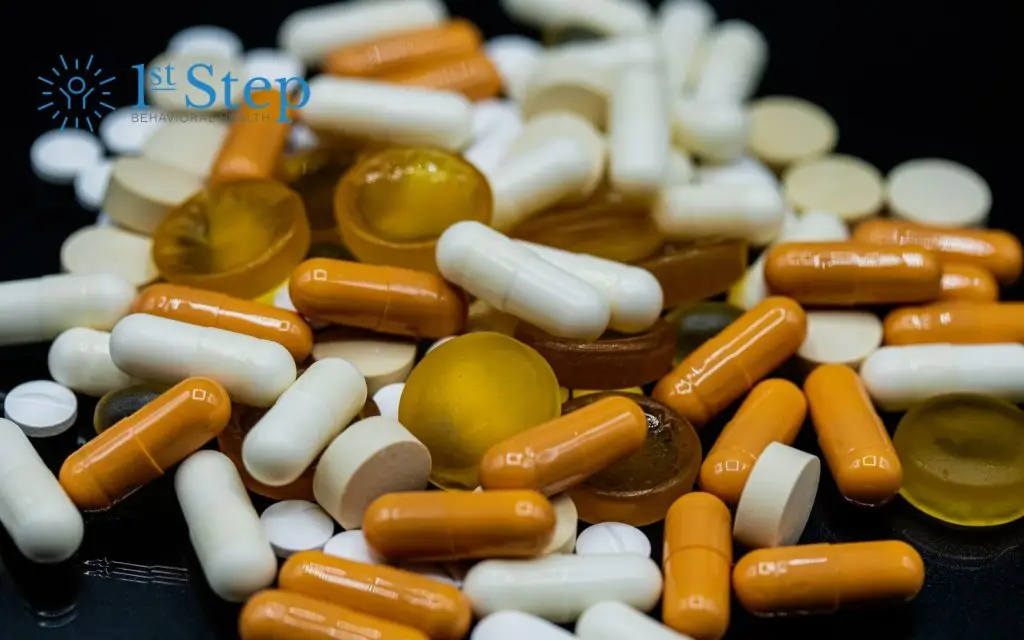
7OH, short for 7-hydroxymitragynine, is a potent alkaloid found in kratom that has become increasingly popular in recent years. It is commonly sold in concentrated forms, including tablets, gummies, and concentrated kratom extracts that may be available in smoke shops and online. Because it acts on the same opioid receptors as traditional opioids, regular use can lead to physical dependence, making it difficult to stop without experiencing uncomfortable withdrawal.
If you or someone you love is struggling with 7OH withdrawal, understanding what to expect can make the process feel less overwhelming. Learning about 7OH withdrawal symptoms, the 7OH withdrawal timeline, and available treatment options can help you prepare for recovery and reduce the risk of returning to use.
While withdrawal can be challenging, professional care, medical support, and ongoing recovery resources make lasting recovery possible. Find comprehensive addiction treatment and recovery support at First Step Behavioral Health.
7OH Withdrawal Symptoms
Understanding 7OH withdrawal symptoms is one of the first steps toward recovery. Because 7OH interacts with mu opioid receptors, the brain and body gradually adjust to its presence. As the body adapts through repeated use, stopping suddenly can trigger withdrawal symptoms that affect both the body and the mind.
The severity of withdrawal symptoms depends on several factors, including how much 7OH a person used, how often they used it, whether they took higher doses, their individual metabolism, and whether they also used other substances or other drugs.
Common physical symptoms include:
- Muscle aches
- Sweating
- Chills
- Nausea
- Vomiting
- Diarrhea
- Restlessness
- Runny nose
- Yawning
- Tremors
- Increased heart rate
- Sleep disruption
- Difficulty sleeping
- Fatigue
- General physical discomfort
Many people also experience psychological symptoms and mental health symptoms, such as:
- Anxiety
- Depression
- Irritability
- Mood swings
- Emotional instability
- Difficulty concentrating
- Intense cravings
- Low motivation
- Heightened stress
These emotional symptoms can create a significant emotional toll, especially for individuals with a history of anxiety, depression, trauma, or another mental health history. In some cases, withdrawal may worsen existing mental health conditions, making professional care especially valuable.
Although many people compare 7OH withdrawal to kratom withdrawal, products containing highly concentrated 7OH may produce more intense symptoms because they deliver greater amounts of the active compound than traditional kratom products.
7OH Withdrawal Timeline
The 7OH withdrawal timeline varies from person to person, but most individuals experience withdrawal in predictable stages. Factors like individual metabolism, frequency of use, dose, and overall health all influence how long symptoms continue.
Here is a closer look at a typical 7OH withdrawal timeline.
First 6 to 24 Hours
The earliest stage usually begins within several hours after the last dose.
Early symptoms may include:
- Anxiety
- Restlessness
- Sweating
- Mild nausea
- Runny nose
- Yawning
- Occasional cravings
Many people also notice increasing discomfort as the brain begins adjusting to the absence of stimulation at the opioid receptors.
Days 2 Through 4
This period often brings the peak symptoms of withdrawal.
During this stage, people may experience:
- Severe anxiety
- Muscle aches
- Chills
- Digestive upset
- Insomnia
- Elevated blood pressure
- Increased heart rate
- Strong physical withdrawal
- Significant psychological symptoms
- Powerful intense cravings
Some individuals experience severe withdrawal, especially after prolonged use of high-potency products or higher doses.
Days 5 Through 7
For many people, the worst physical symptoms begin improving after about one week.
However, lingering symptoms often include:
- Low energy
- Irritability
- Poor sleep
- Mild anxiety
- Reduced motivation
- Continued cravings
At this point, many individuals feel physically better but remain emotionally vulnerable, increasing relapse risk without continued treatment.
After the First Week
Some people develop post-acute withdrawal syndrome. Common post-acute symptoms can continue for a few weeks or longer and may include:
- Anxiety
- Depression
- Sleep disturbances
- Low energy
- Difficulty focusing
- Emotional ups and downs
- Cravings
Because these symptoms develop gradually, many people underestimate how important continued recovery support can be after kratom detox.
How Long Does 7OH Withdrawal Last?
One of the most common questions people ask is, how long does 7OH withdrawal last?
The answer depends on several personal factors, including:
- Length of use
- Frequency of use
- Amount used
- Overall health
- Individual metabolism
- Whether other substances were used at the same time
For most individuals:
- Early symptoms begin within 6 to 24 hours.
- Physical withdrawal usually reaches its highest intensity during days 2 through 4.
- Most physical symptoms improve within about one week.
- Emotional and psychological symptoms may continue for several weeks.
People who used highly potent products, concentrated kratom extracts, or consistently took higher doses may experience a longer recovery period than those with lighter use.
Even after physical withdrawal ends, post-acute withdrawal syndrome can continue affecting mood, motivation, and sleep. This is one reason why professional treatment focuses on more than simply getting through detox.
Why 7OH Withdrawal Can Feel Similar to Opioid Withdrawal
Many people are surprised by how closely opioid withdrawal and 7OH withdrawal resemble one another. That’s because 7OH activates the mu opioid receptors, which are the same receptors affected by prescription opioids and heroin. Although 7OH comes from kratom, it still affects the brain in ways that resemble other opioid-like substances.
As tolerance develops through repeated use, the nervous system becomes dependent on the drug’s presence. Once use stops, the nervous system must readjust, producing many familiar withdrawal symptoms associated with opioid addiction and opioid use disorder. While some people initially begin using 7OH for pain relief or to relieve pain, continued use may increase dependence rather than solve the underlying problem.
How Long Does 7OH Withdrawal Last When Detoxing Under Medical Care?
People often wonder whether treatment changes the answer to how long does 7OH withdrawal last. While professional care cannot eliminate withdrawal, it can make the experience significantly safer and more comfortable.
Medical professionals monitor:
- Vital signs
- Hydration
- Sleep
- Pain levels
- Mental health
- Medication needs
With proper care, many symptoms become easier to tolerate, reducing unnecessary suffering and improving the likelihood of completing withdrawal.
Individuals who attempt quitting cold turkey without assistance may experience greater withdrawal severity, particularly if they have underlying health conditions or use multiple substances.
Treatment Options for 7OH Withdrawal
Effective addiction treatment addresses more than physical withdrawal. Recovery also involves healing emotional health, building coping skills, and creating a long-term plan for sobriety. Treatment often begins with medical detoxification, where healthcare professionals provide medical supervision throughout withdrawal.
Depending on a person’s needs, treatment may include:
- Medical monitoring
- Symptom management
- Individual counseling
- Group therapy
- Family therapy
- Psychiatric evaluation
- Relapse prevention planning
For some individuals, medication-assisted treatment may also be appropriate. Providers specializing in addiction medicine may determine that medications such as buprenorphine naloxone can help manage withdrawal and cravings in certain cases, particularly when symptoms resemble significant opioid withdrawal. Treatment decisions should always be individualized and made under professional medical guidance.
After detox, many people continue care through outpatient therapy or residential treatment, depending on the severity of their condition.
The Importance of Ongoing Recovery Support
Completing detox is an important achievement, but it is only the beginning of recovery. Many people experience lingering cravings, emotional stress, and changes in mood during the weeks after withdrawal. Without continued care, these challenges may increase relapse risk.
Recovery often becomes more successful with:
- Individual therapy
- Peer recovery groups
- Family counseling
- Healthy daily routines
- Exercise
- Nutrition
- Good sleep habits
- Stress management techniques
- Emotional support
People with existing mental health conditions often benefit from integrated care that addresses both substance use and emotional wellness at the same time.
Beginning Treatment for 7OH Dependence
Whether someone needs outpatient care, residential treatment, or additional behavioral therapies, early intervention can make recovery safer and more successful. Beginning treatment with qualified professionals allows you to manage safely while receiving appropriate medical and emotional care.
With compassionate care, evidence-based treatment, and continued support, individuals can overcome dependence, rebuild their health, and move toward a healthier future free from substance abuse. If you or a loved one needs professional support or guidance while navigating recovery, find comprehensive care at First Step Behavioral Health. Reach out to our intake team to explore our programs, verify your insurance, or schedule an admissions assessment.
Frequently Asked Questions About 7OH Withdrawal
1. Can you taper off 7OH instead of stopping abruptly?
Some people can reduce their 7OH use gradually rather than stopping all at once. A taper may lessen the intensity of withdrawal for certain individuals, but it can be difficult to follow without guidance. Because withdrawal experiences vary, it’s best to speak with a healthcare provider before creating a tapering plan, especially if you’ve been using high-potency products or large amounts of 7OH.
2. Is 7OH more addictive than regular kratom?
7OH is a concentrated form of one of kratom’s active compounds and has a much stronger effect on opioid receptors than kratom leaf alone. Products containing concentrated 7OH may carry a higher risk of tolerance, dependence, and withdrawal, particularly when used frequently or in large amounts. More research is needed to understand its long-term effects fully, but many experts recommend approaching these products with caution.
3. Can you work or go to school while going through 7OH withdrawal?
It depends on the severity of your symptoms. Some people with mild withdrawal can continue their normal routines, while others find that fatigue, sleep problems, anxiety, or difficulty concentrating interfere with daily responsibilities. If withdrawal symptoms become difficult to manage or affect your safety, seeking medical guidance and taking time to recover may be the best option.
4. What increases the risk of developing dependence on 7OH?
Several factors can increase the likelihood of becoming dependent on 7OH, including using it every day, taking higher doses, using concentrated products, or relying on it for extended periods. A personal or family history of substance use disorders or mental health conditions may also increase the risk of developing dependence.
5. What should you avoid during 7OH withdrawal?
Avoid using alcohol, opioids, benzodiazepines, or other substances in an attempt to relieve withdrawal symptoms unless they have been prescribed and monitored by a healthcare provider. Mixing substances can increase the risk of dangerous side effects and make recovery more difficult. Staying hydrated, eating nutritious meals, getting adequate rest, and seeking professional support are safer ways to promote healing during withdrawal.
Sources
Jump to a Section
Call (855) 425-4846