Substance use disorder (SUD) is a disease and medical condition that affects millions of people across the United States and globally. It is characterized by a problematic pattern of substance use leading to clinically significant impairment or distress. While often misunderstood or stigmatized, SUD is a recognized medical diagnosis defined by specific criteria in the Diagnostic and Statistical Manual of Mental Disorders, Fifth Edition (DSM-5)—the leading manual for diagnosing mental disorders published by the American Psychiatric Association.
In this comprehensive guide, we’ll explain what substance use disorder is, how it is diagnosed, and the available options for treatment.
Understanding Substance Use Disorder
Substance use disorder refers to a spectrum of conditions associated with the recurrent use of drugs or alcohol that causes significant health problems, disability, and failure to meet major responsibilities at work, school, or home. It can affect anyone—regardless of age, gender, socioeconomic status, or background.
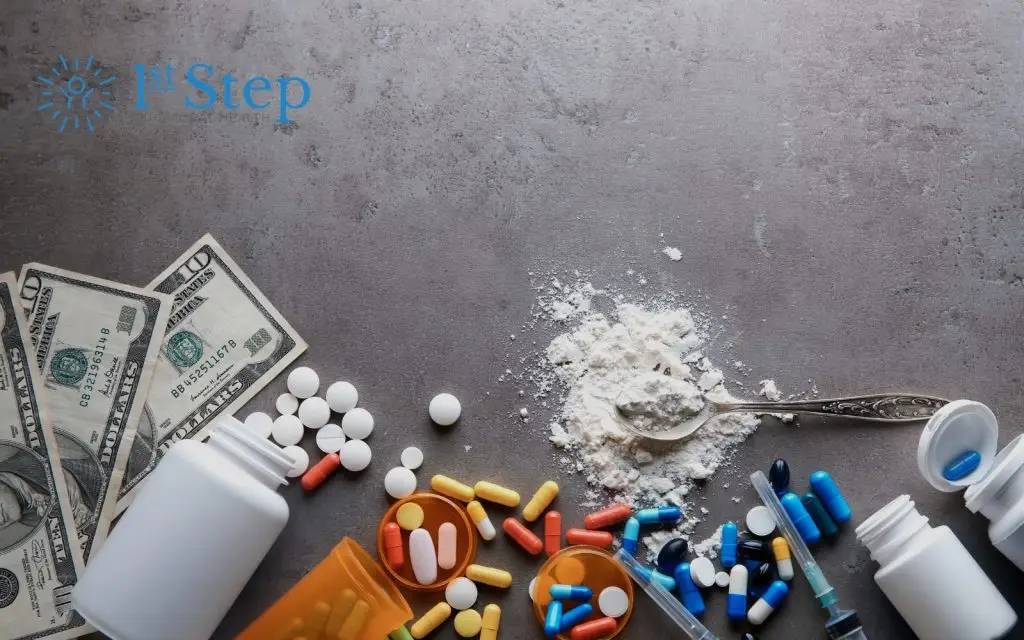
Substances involved can include alcohol, opioids, stimulants, cannabis, hallucinogens, sedatives, inhalants like paint thinners, and even electronic cigarettes. Over time, these substances can alter the brain’s chemistry, especially in a developing brain, resulting in impaired control, intense cravings, and a persistent desire to use the substance despite harmful consequences.
When someone has a substance use disorder, they will lose control over how much and how often they abuse the drugs or alcohol. Over time, substances will take priority over everything else in their lives, even if they no longer enjoy using the drugs. This is why it can be so difficult to recover from addiction. Thankfully, drug and alcohol rehab centers offer the necessary tools to be successful in sobriety.
How Common is SUD?
According to the National Institute on Drug Abuse (NIDA), over 20.4 million people in the U.S. aged 12 or older had a substance use disorder in 2019. Among them:[1]
- 14.5 million had alcohol use disorder
- 8.3 million had an illicit drug use disorder
- 2 million had an opioid use disorder
These numbers are significant and point to an urgent public health issue that extends into families, workplaces, schools, and communities.
Criteria for Diagnosis: DSM-5 Guidelines
The Diagnostic and Statistical Manual of Mental Disorders, Fifth Edition (DSM-5), outlines 11 specific criteria for diagnosing a substance use disorder.
A person must meet at least two of these criteria within 12 months to receive a diagnosis:[2]
- Using the substance in larger amounts or over a longer period than intended.
- Unsuccessful efforts or a persistent desire to cut down or control substance use.
- Spending a lot of time obtaining, using, or recovering from the substance.
- Intense cravings or a strong desire to use the substance.
- Failure to fulfill obligations at work, school, or home.
- Continued use despite interpersonal problems.
- Giving up recreational activities, social, or work activities due to use.
- Use in physically hazardous situations (e.g., driving).
- Continued use despite knowing it causes or worsens psychological problems or physical issues.
- Developing a tolerance—needing more for the same effect.
- Experiencing withdrawal symptoms when not using the substance.
These symptoms of addiction reflect the problematic pattern of behavior that defines substance-related disorders.
Mild, Moderate, or Severe SUD
The severity of the disorder is based on the number of criteria met:
- Mild substance use disorder: 2–3 criteria
- Moderate substance use disorder: 4–5 criteria
- Severe substance use disorder: 6 or more criteria
This spectrum approach helps mental health professionals tailor a treatment plan according to the needs of each individual, acknowledging that SUD is not a one-size-fits-all diagnosis.
Substance Use Disorder vs. Substance Dependence
While older versions of the DSM used terms like substance dependence and substance abuse, these have been replaced in DSM-5 by the umbrella term “substance use disorder” to reflect a more accurate understanding of the condition’s complexity.
However, the concept of dependence—involving withdrawal symptoms and tolerance—is still important in treatment and recovery planning.
You can be dependent on a substance without suffering from addiction. For example, if someone takes an antidepressant every day to treat their major depressive disorder, their body might become dependent on the medication, meaning they will experience withdrawal if they stop taking it. The main difference between dependence and addiction is the motivation for using the drug, the effects experienced, and the behaviors that accompany the substance use.
Contributing Factors: Why Does SUD Develop?
Several factors can contribute to the development of a use disorder, including:
Biological and Genetic Factors
Some individuals are genetically predisposed to drug addiction. Brain chemistry also plays a role, especially in how substances affect dopamine and other neurotransmitters related to reward and pleasure.
Environmental Factors
Living in an environment where drug use, peer pressure, or stress is common can increase the likelihood of SUD. Family members with a history of SUD can also be a risk factor.
Co-occurring Mental Disorders
SUD frequently occurs alongside other mental disorders such as depression, anxiety, PTSD, and bipolar disorder. These co-occurring conditions often complicate diagnosis and treatment.
Early or Experimental Use
Initiating substance use at an early age or during adolescence—especially during the developing brain stage—increases the risk of developing a disorder later.
Health Risks Associated with Substance Use
Substance use can lead to serious health problems, including:
- Chronic diseases such as liver disease, heart disease, and lung disease.
- Infectious diseases like HIV or hepatitis from injection drug use.
- Behavioral control problems that increase the risk of accidents or violence.
- Worsening of psychological problems and reduced ability to relieve symptoms of other conditions.
Untreated, SUD can become as dangerous as other chronic diseases such as diabetes or hypertension, requiring ongoing management.
How is Substance Use Disorder Treated?
Treating substance use disorder involves a comprehensive approach that often includes addiction medicine, behavioral therapies, and social support. Treatment must be personalized and may include:
Detoxification
The first step often involves managing withdrawal symptoms safely, usually under medical supervision.
Behavioral Therapies
Evidence-based options like Cognitive Behavioral Therapy (CBT), contingency management, and group therapy help individuals develop coping skills and change problematic behaviors.
Medication-Assisted Treatment (MAT)
Especially effective for opioid use disorder and alcohol use disorder, medications like buprenorphine, methadone, or naltrexone can reduce intense cravings and prevent relapse.
Therapeutic Communities and Support Groups
Residential programs, therapeutic communities, and peer-led groups like Narcotics Anonymous or support groups provide structure and long-term support.
Integrated Care
Treatment plans often include coordination with health care providers, especially when SUD co-occurs with other mental disorders.
Can SUD Be Prevented?
While not always preventable, research shows that early intervention, education, and community support can reduce the risk of SUD.[3] Teaching coping skills, improving behavioral control, and reducing access to controlled substances are all important prevention strategies.
What Should You Do If You Suspect SUD?
If you or someone you know is showing signs of recurrent substance use, unsuccessful efforts to quit, or clinically significant impairment, it’s important to seek help. A mental health professional or primary care provider can conduct a proper disorder diagnosis using the DSM-5 guidelines.
Early diagnosis and a personalized treatment plan increase the likelihood of a successful recovery and long-term health improvement.
Get Connected to Treatment for Substance Use Disorder
Substance use disorder is a complex but treatable condition that affects both the brain and behavior. It can range in severity from mild to severe, and often exists alongside other mental disorders. Diagnosis is based on standardized criteria in the DSM-5, and treatment may involve a mix of behavioral therapies, medications, and long-term support.
While the journey to recovery is not always easy, countless individuals have successfully managed their SUD with the help of health care providers, support groups, and evidence-based interventions. Addressing SUD early can significantly improve outcomes and restore health, relationships, and quality of life.
If you or a loved one suffers from addiction, 1st Step Behavioral Health is here to help. We offer evidence-based behavioral therapies, group counseling, individual therapy, and more to ensure our patients achieve recovery. Contact us today for more information on how to get started.
Frequently Asked Questions (FAQs)
1. Is substance use disorder the same as addiction?
Not exactly. While the terms are often used interchangeably, addiction typically refers to the most severe form of substance use disorder, characterized by compulsive use despite harmful consequences. SUD is a clinical diagnosis that includes a range of severity—mild, moderate, or severe—based on specific criteria. Not everyone with SUD meets the threshold for what is commonly referred to as “addiction.”
2. Can someone have SUD without showing physical dependence?
Yes. Physical dependence—which includes tolerance and withdrawal symptoms—is just one aspect of SUD. Many individuals experience psychological dependence, characterized by a persistent desire or inability to stop use, even without physical symptoms. The diagnosis focuses on the overall pattern of behavior and clinically significant impairment, not just physical markers.
3. How does SUD affect family members and relationships?
SUD can severely impact families through strained communication, broken trust, financial stress, and emotional distress. Family members often experience anxiety, codependency, or depression. Family-based therapies and support groups like Al-Anon or Nar-Anon are essential tools in helping families cope and support recovery without enabling the disorder.
4. Is recreational or experimental drug use considered SUD?
Not necessarily. Experimental use or occasional recreational activities involving substances don’t meet the diagnostic threshold for SUD unless they become part of a problematic pattern. However, early or frequent recreational use—especially in adolescents—can increase the risk of developing a mild, moderate, or severe use disorder over time.
5. What role does trauma play in developing SUD?
Unresolved psychological trauma, including childhood abuse, neglect, or PTSD, is a major risk factor for developing SUD. Many individuals use substances as a way to relieve symptoms or numb emotional pain. Trauma-informed care is a crucial component of many modern drug addiction treatment programs to address underlying issues.
6. Are there alternatives to 12-step programs like Narcotics Anonymous?
Yes. While Narcotics Anonymous (NA) and similar support groups help many people, others may benefit from alternatives such as SMART Recovery, contingency management, or group therapy rooted in behavioral science. Some programs focus on secular approaches, medication-assisted recovery, or individualized coaching to accommodate different beliefs and recovery goals.
References:
- The Substance Abuse and Mental Health Services Administration (SAMHSA): Key Substance Use and Mental Health Indicators in the United States: Results from the 2019 National Survey on Drug Use and Health
- The National Library of Medicine (NLM): Substance Use Screening, Risk Assessment, and Use Disorder Diagnosis in Adults
- Science Direct: Evidence-Based Interventions for Preventing Substance Use Disorders in Adolescents
Jump to a Section
Call (855) 425-4846