When people begin exploring alternatives to manage pain, illness, or difficult symptoms, one substance that often comes up is RSO. For individuals navigating substance use recovery or supporting someone who is, understanding what RSO is—and what it is not—matters. This is especially true because it sits at the intersection of medicine, anecdotal claims, and real risks.
This article will explore the risks and effects of RSO and how to identify signs of cannabis abuse or addiction. Find comprehensive SUD treatment and recovery support at First Step Behavioral Health.
What Is RSO?
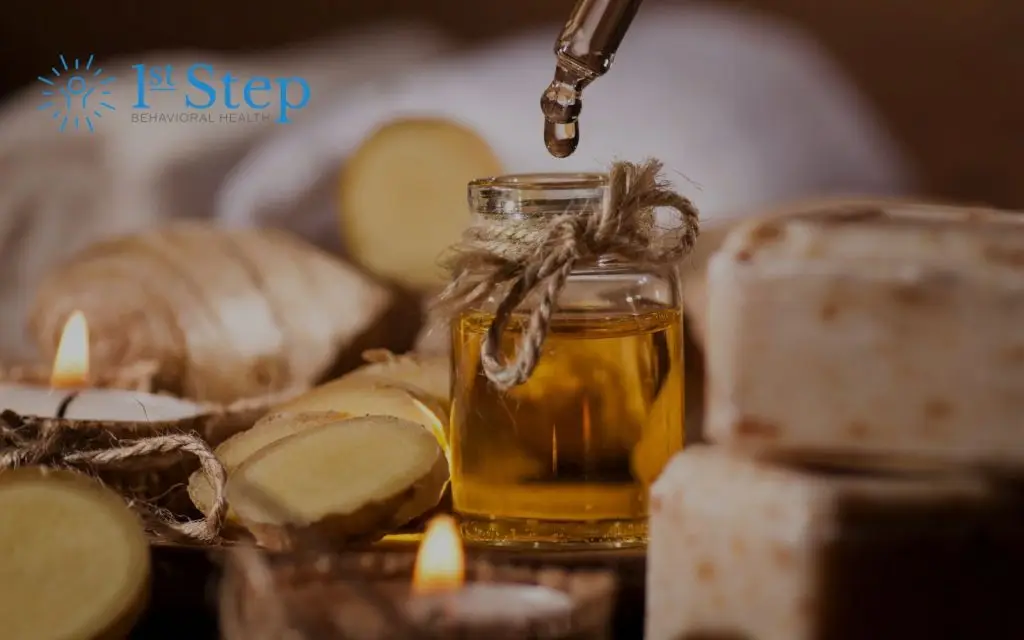
RSO stands for Rick Simpson Oil, a highly concentrated form of cannabis oil made from the cannabis plant. It is named after Rick Simpson, a Canadian medical marijuana activist who popularized its use.
Unlike many other forms of cannabis products, RSO is known for its high THC content. THC, the primary psychoactive compound in cannabis, is the active ingredient responsible for the “high” feeling. Because of this, RSO is considered extremely potent, even in small amounts.
RSO is typically made by extracting plant compounds—including cannabinoids—using solvents such as ethanol or alcohol, though other solvents may be used. The result is a thick, dark oil that is often packaged in RSO syringes for easier, accurate dosing.
How Rick Simpson Oil Is Used
RSO can be consumed in several ways. Some people take it orally, mix it with food, or incorporate it into edibles. Others may dab RSO, though this is less common due to its thickness. In some cases, it is applied topically to the skin.
Because of its strength, users are often advised to start with a very small dose, sometimes compared to the size of a grain of rice, and gradually increase over several days. This gradual increase is often referred to as an RSO regimen.
Compared to smoking or vaping cannabis, oral consumption of RSO tends to produce a faster onset of body effects in some individuals, particularly when taken on an empty stomach. However, the experience can vary widely.
Why Do People Use RSO?
Many people turn to RSO when facing serious conditions or ongoing health issues. According to anecdotal reports, individuals have used RSO to treat a wide range of concerns.
This might include:
- Chronic pain
- Cancer
- Nausea
- Multiple sclerosis
- Epilepsy
- Loss of appetite
Some people believe that the full spectrum of cannabinoids and other plant compounds in RSO creates an “entourage effect,” meaning the compounds work together to enhance potential benefits. For example, some patients report that RSO helps improve appetite, reduce pain, and promote deep physical relaxation. Others say it helps ease other symptoms related to illness or traditional treatments, such as chemotherapy.
RSO and Cancer Claims
One of the most widely discussed aspects of RSO is its connection to cancer. Rick Simpson himself has claimed that RSO helped him treat skin cancer, specifically basal cell carcinoma. These claims have led many patients to explore RSO as part of their care. However, it is important to understand that much of the support for these claims comes from anecdotal reports, not large-scale clinical research.
While some early studies suggest cannabinoids may affect cancer cells, there is currently limited evidence that RSO alone can cure or effectively treat cancer in humans. This distinction matters, especially for those who have been recently diagnosed and are searching for hope.
RSO Compared to Other Cannabis Products
RSO is often compared to other forms of cannabis products, but it differs in several important ways.
These include:
- Potency: RSO has a much higher potency due to its high THC content.
- Full spectrum: It typically retains a wide range of plant compounds, making it a full-spectrum product.
- Usage: Unlike some products that are designed for inhalation, RSO is more commonly consumed orally or applied topically.
Because of these differences, RSO is not interchangeable with standard marijuana products or even other types of cannabis oil.
Risks and Considerations
For individuals in or considering recovery, this is where the conversation becomes more complex.
RSO carries real risks, particularly due to its high THC content. THC can affect mood, perception, and behavior, which may be destabilizing for someone with a history of substance use.
Some potential concerns include:
- Increased anxiety or paranoia
- Impaired judgment
- Risk of dependency
- Interference with mental health stability
For some people, especially those with prior substance use challenges, even small amounts can trigger cravings or relapse patterns.
Additionally, because RSO is so potent, it can be difficult to maintain control over the dose. Even with RSO syringes, accurate dosing can be challenging, especially for beginners. There are also legal considerations. In some areas, cannabis products—including RSO—may be illegal, depending on local laws.
The Importance of Medical Guidance
If you or someone you care about is considering RSO, it is essential to consult a medical professional. This is particularly important for those managing serious conditions or taking other medications. A healthcare provider can help you weigh potential benefits, known risks, and possible interactions with other treatments. In some cases, they may help you find safer alternatives.
While many patients are drawn to RSO because of personal stories and online claims, medical guidance helps ground decisions in safety and context.
RSO and Substance Use Recovery
For individuals in recovery, the question is not just “what is RSO,” but “is it safe for me?”
Cannabis use exists on a spectrum, and experiences vary widely. Some people feel it helps manage pain or symptoms, while others find it complicates their recovery.
Because RSO is especially potent, it may carry a higher risk of misuse compared to other cannabis products. Even if it is used with the intention of managing health issues, the psychological effects of THC can be significant.
If you are in recovery, it may help to ask:
- Does this support my long-term stability?
- Could this lead to cravings or loss of control?
- Are there other ways to manage my symptoms?
These are not always easy questions, but they are important ones.
What the Research Says
Current research on RSO specifically is limited. Much of what is known comes from studies on cannabis and cannabinoids more broadly.
Some findings suggest potential benefits for:
- Pain management
- Reducing nausea
- Supporting appetite
However, there is still a need for more rigorous studies to fully understand the safety and effectiveness of RSO, especially for complex conditions like cancer or epilepsy. This gap between public claims and scientific evidence is where caution becomes especially important.
Find Substance Abuse Treatment
RSO—also known as Rick Simpson Oil (RSO)—is a concentrated form of cannabis oil that has gained attention for its potential to address a range of symptoms and health issues. It is derived from the cannabis plant, contains high levels of THC, and is often used by patients seeking alternatives to traditional treatments.
If you or someone you love needs professional support to address cannabis abuse or other forms of substance use, you are not alone. Find treatment, support, and recovery resources at First Step Behavioral Health. Contact our admissions specialists to learn about our programs or to schedule an intake appointment.
Frequently Asked Questions About RSO
1. Is RSO the same as CBD oil?
No. RSO is very different from CBD oil. While both come from the cannabis plant, RSO contains a high THC content, which produces psychoactive effects. CBD oil, by contrast, typically contains little to no THC and does not create a “high.” This difference is important, especially for individuals concerned about mental clarity, dependency, or recovery.
2. How long do the effects of RSO last?
The effects of RSO can last significantly longer than other forms of cannabis. When consumed orally, effects may begin within 30 minutes to 2 hours and can last 6–8 hours or more, depending on dose, metabolism, and potency. Because of this extended duration, taking additional amounts too soon can increase the risk of unwanted side effects.
3. Why is dosing RSO considered difficult?
RSO is highly concentrated, and even small amounts can have strong effects. While RSO syringes are designed to help with accurate dosing, individual tolerance varies widely. Factors like body chemistry, prior cannabis use, and overall health can all influence how a person responds, making consistent control of dose more challenging.
4. Are there withdrawal symptoms from stopping RSO?
Some individuals may experience mild withdrawal-like symptoms after frequent use of high-THC products like RSO. These can include irritability, sleep disturbances, reduced appetite, or mood changes. While not everyone experiences this, it is something to be aware of—particularly for those managing substance use or mental health concerns.
Sources
Jump to a Section
Call (855) 425-4846