
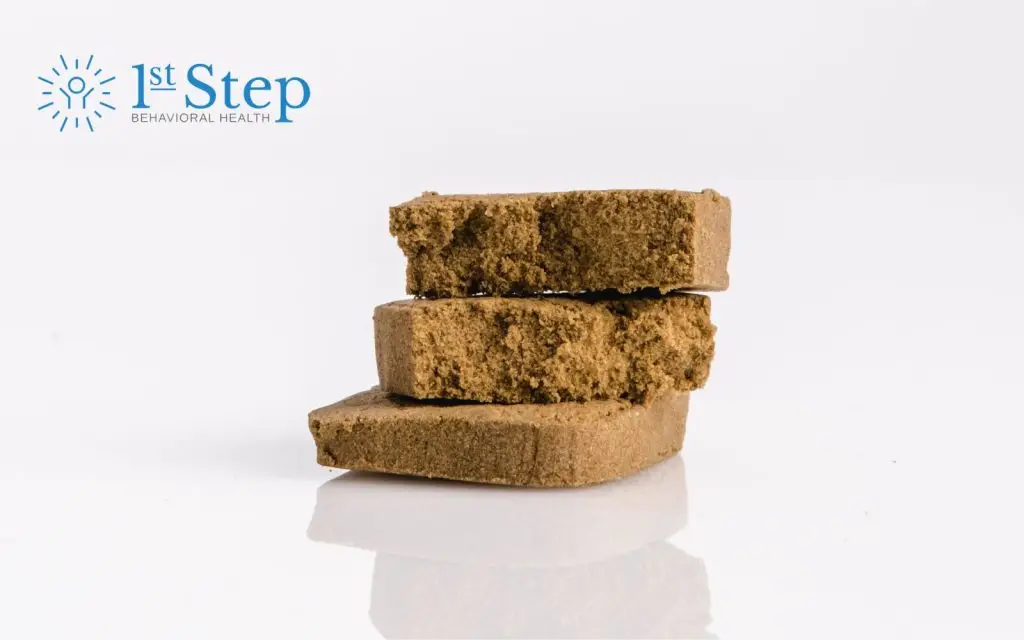
As conversations around cannabis continue to evolve, many people are hearing new terms like hash, hashish, or hash oil for the first time. But what is hash, and why does it matter—especially for those struggling with substance abuse, mental health conditions, or cannabis addiction?
Hash is a concentrated form of cannabis made from the resin of cannabis plants, and it’s much more potent than traditional marijuana. While some view hash as a “natural” alternative, its psychoactive effects and high THC content can have serious consequences, particularly for those at risk for cannabis use disorder or cannabis dependency.
In this article, we’ll break down everything you need to know about hash—including its extraction methods, health risks, signs of physical dependence, and how it fits into the larger landscape of drug abuse and recovery.
What Is Hash?
Hash, a slang term for hashish, is a cannabis-derived product made by compressing the cannabis resin from cannabis sativa plants. This resin contains tetrahydrocannabinol (THC), the main compound responsible for the altered perception, heightened sensory perception, and distorted perception associated with marijuana use.
Hash is known for its dark brown or dark green color and waxy texture. It’s consumed in various ways: smoked in blunts, vaporizers, or edibles, and sometimes consumed orally. Unlike cannabis flower, which is used in its raw plant form, hash is a concentrated form of cannabis, often with a THC content that far exceeds that of traditional hash or marijuana.
How Is Hash Made? Common Extraction Methods
Hash is created using several extraction methods that isolate the resin from the cannabis plant material. Here are two of the most common extraction methods.
Bubble Hash (Ice Water Hash)
This method uses ice water to separate trichomes—the resin glands—from the rest of the plant. Once filtered and dried, the result is a clean, high-quality hash that’s rich in THC. Bubble hash is often seen as safer because it doesn’t involve chemical solvents.
Hash Oil (Honey Oil)
This form uses solvents like butane or ethanol to extract the resin. Also known as honey oil, it’s highly potent and often consumed using dab rigs or vaporizers. However, it poses serious risks due to the use of chemical solvents, which can leave behind contaminated substances if not properly processed.
No matter how hash is created, using it has risks. Understanding the risks can help you seek treatment to overcome substance use disorder when necessary.
Hash Potency and Marijuana Concentrate Dangers
The potency of hash can vary widely, with THC levels ranging from 20% to over 60%, compared to the average 10–20% in cannabis flower. This means hash users often experience the same effects of marijuana, but in larger quantities and with intensified psychoactive effects.
While some believe that cannabis and its derivatives are non-addictive substances, research shows otherwise. The American Psychiatric Association recognizes cannabis use disorder as a diagnosable condition.
Long-term hash use can lead to:
- Mental health decline, including panic attacks, anxiety, and depression
- Disruption of the brain’s reward system, making recovery more difficult
- Increased risk of chronic bronchitis, lung infections, and respiratory issues
- Increased appetite, increased blood pressure, and poor cardiovascular health
- Problem-solving difficulties, memory loss, and impaired decision-making
- Development of tolerance, leading to larger quantities being needed for the same effects
Hash use can lead to significant short and long-term risks. Seek treatment for substance use disorder as soon as you recognize the signs.
Hash and the Law
Under federal law, hash is classified as a Schedule I substance under the Controlled Substances Act, meaning it is considered to have a high potential for abuse and no accepted medical use. The Drug Enforcement Administration (DEA) monitors its production and distribution, especially in relation to illicit drugs and other substances.
Some states have legalized cannabis in various forms. However, hash products and hash oil are still often restricted due to their high THC content and risks associated with improper extraction processes. Without proper quality control, hash can be contaminated with mold, pesticides, or leftover solvents.
Cannabis Addiction and Dependency
While not everyone who uses hash becomes addicted, repeated use can lead to cannabis dependency, especially when combined with mental health conditions like anxiety or trauma. People who begin using cannabis concentrates at a young age are more likely to develop cannabis addiction and related disorders.
Signs of cannabis use disorder include:
- Using hash more often or in larger amounts than intended
- Failed attempts to cut back
- Spending significant time obtaining or using hash
- Neglecting essential life activities like work or school
- Continuing use despite mental or physical health issues
- Experiencing withdrawal symptoms when not using
Seek treatment as soon as you recognize these and other signs of hash abuse or addiction.
The Myth of “Safe” Cannabis Products
It’s a common misconception that hash and other cannabis-derived products are “safe” alternatives to illicit drugs. But drug use is not only about legality—it’s about impact.
Whether it’s traditional hash, bubble hash, or hash oil, these cannabis products can significantly enhance the intensity of effects, increasing the likelihood of long-term health issues, especially when mixed with other substances.
Hash doesn’t just affect the body; it impacts mental well-being, relationships, and the ability to function in daily life. For someone already dealing with mental health challenges, using hash can worsen symptoms and prolong the path to healing.
Find Treatment and Support Now
Understanding the effects of hash use, the dangers of unregulated cannabis concentrates, and the importance of quality control in production processes can help people make informed decisions. It can also serve as a wake-up call for those already affected.
If you or a loved one is struggling with cannabis dependency or hash use, you’re not alone. Recovery is possible—and it starts with understanding the problem.
Reach out to the specialists at First Step Behavioral Health to learn about our assessment, treatment, and recovery support programs. Contact our intake team with questions or to schedule your first appointment today.
Frequently Asked Questions About Hash
1. Is hash more dangerous than regular marijuana?
Yes, hash can be more dangerous due to its significantly higher THC levels. This means users are exposed to more intense psychoactive effects, increasing the risk of anxiety, paranoia, and rapid development of dependency—especially for those prone to mental health issues.
2. Can hash be addictive even if it’s “natural”?
Absolutely. While hash is derived from the cannabis plant, its high concentration of THC makes it more likely to lead to cannabis use disorder. The natural origin of a drug doesn’t determine whether it’s addictive—its effect on the brain’s reward system does.
3. Is there a safe way to try hash recreationally?
Even in legal states, there is no universally “safe” way to use hash, especially for individuals with a history of substance abuse, trauma, or mental health conditions. The high potency and inconsistent quality control make even occasional use risky.
4. What should I do if a loved one is using hash regularly?
Approach them with empathy, not judgment. Learn the signs of cannabis dependency and encourage open conversation. If their use is affecting their daily life, relationships, or mental well-being, consider speaking with an addiction counselor or exploring treatment options.
5. How long does hash stay in your system?
Hash, like other cannabis products, can stay in the body for several days to weeks, depending on frequency of use, body fat percentage, and metabolism. For frequent users, THC can be detectable in urine for up to 30 days or longer.
Sources
Jump to a Section
Call (855) 425-4846