
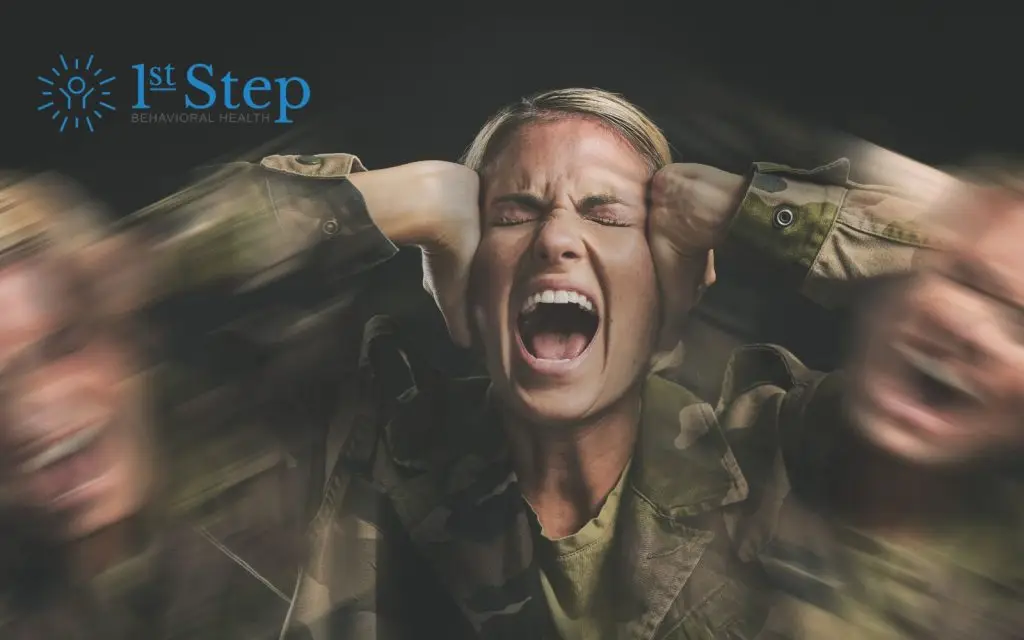
After a car crash, one person might argue, another might rush away, and someone else might sit still, unable to speak. In a threatening interaction, a person might try to calm the person who is frightening them. These behavioral reactions can all serve a protective purpose. The four trauma responses—fight, flight, freeze, and fawn—offer a way to describe how people respond when they sense danger. The same person can experience several responses during or after a traumatic event.
Trauma exposure is common. The World Health Organization estimates that around 70% of people worldwide will experience a potentially traumatic event in their lifetime. Among people exposed to such an event, an estimated 5.6% develop post-traumatic stress disorder (PTSD). Across the global population, about 3.9% experience PTSD at some point in their lives. Most people experience some distress after trauma, and many recover over time.[1]
What Are the Four Trauma Responses?
A trauma response can involve physical symptoms, emotions, and actions. Fight is the impulse to confront a threat. Flight is the impulse to escape it. Freeze can make movement or speech difficult. Fawn describes trying to reduce a threat by appeasing someone. The four labels describe common responses to danger and can help you recognize what happens in your own body and behavior.
When the brain detects a threat, the nervous system can prepare the body to respond quickly. In the fight-or-flight response, the sympathetic nervous system helps mobilize the body for action. Your heart may pound, your breathing may speed up, and your muscles may tense. The parasympathetic nervous system helps regulate functions such as heart rate and digestion. Both branches can be active during some forms of freezing, which helps explain how someone can feel highly alert while holding very still.
The Fight Response: Confronting a Threat
The fight response prepares you to resist, defend yourself, or protect someone else. In immediate danger, it might show up as shouting for someone to back away or physically resisting an assault. You may feel anger, intense fear, or both. Bodily sensations can include muscle tension, a clenched jaw, and a pounding heart. Your attention may narrow to the person or situation that feels threatening.
In daily life, a fight response may show up when a sound, gesture, or tone of voice reminds you of what happened. For example, someone who experienced violence at home might raise their voice during a disagreement as soon as the other person starts shouting. If this response pattern keeps causing problems in relationships, noticing early signs such as tight shoulders or an urge to interrupt can give you time to pause and decide how to respond.
The Flight Response: Getting Away From a Threat
The flight response prepares you to create distance. In dangerous situations, that might mean running from a fire or leaving a room when someone threatens you. You may feel restless, shaky, or focused on finding a way out. Fight and flight can produce similar physical sensations. The urge to get away is what characterizes flight.
After a traumatic situation, the urge to escape can also come up around reminders of the event. Someone who survived a serious collision might start taking longer routes to avoid the intersection where it happened. That may bring short-term relief. Over time, avoidance can make it harder to get to work, see friends, or do things you value. Some people also experience panic attacks after trauma. If episodes of intense fear or avoidance are limiting your life, a clinician can help you understand what is driving them.
The Freeze Response: Going Still Under Threat
The freeze response is an involuntary reduction in movement. You might literally freeze in place, with your muscles tense and your attention fixed on what is happening. A brief pause can give you time to assess your immediate surroundings. Under severe threat, some people experience a stronger form of involuntary immobility and temporarily lose access to movement or speech, even when they want to act or call out.
Afterward, people sometimes feel guilty about going still or wonder why they could not respond differently. Remembering that freezing can happen outside conscious control can put that reaction in context. Reminders of trauma can also bring on a sense of being stuck. For example, a sudden slam might make you go quiet and still before you realize where the sound came from. You may notice the muscle tension or shaking once the moment has passed.
The Fawn Response: Appeasing Someone to Reduce Danger
The fawn response describes trying to stay safe by calming or pleasing someone who feels threatening. A person might apologize reflexively, agree to something they are uncomfortable with, or focus closely on the other person’s mood. Fawning is a descriptive term for this coping pattern. It has a less established physiological basis than the other trauma responses described here.
For example, a child may learn to soothe an unpredictable caregiver because disagreement tends to lead to yelling. That pattern can become deeply ingrained. In adult relationships, the person might say yes before considering what they want or feel guilty when they set a boundary. Fear and a sense that agreement is necessary for safety can help explain what is driving the behavior. Freeze and fawn can also occur in the same interaction. Someone might go quiet at first, then agree quickly once they can speak.
How Trauma Responses Show Up in Daily Life
Common reactions after a traumatic event include trouble sleeping, feeling on edge, difficulty concentrating, and unwanted traumatic memories. These can be normal reactions, especially in the days and weeks after the event. Some people describe lingering distress as unresolved trauma. If you’re seeking support, it can help to describe what you notice in concrete terms, including how often it happens and how it affects your work, sleep, or relationships.[2]
PTSD is a mental health disorder with specific diagnostic criteria. A clinician looks for a combination of symptoms, including re-experiencing the trauma, avoiding reminders, and changes in mood, thinking, and alertness. To meet PTSD criteria, symptoms must persist for more than a month and interfere with daily functioning. Anxiety and depression may also occur after trauma and can be assessed alongside PTSD symptoms.
How to Cope With Trauma Responses and When to Seek Support
Recognizing what happens in your body is a practical first step. When you’re somewhere safe, pay attention to what you notice first. Do you feel heat in your face, an urge to leave, difficulty speaking, or pressure to agree? Becoming aware of those early signs can make it easier to recognize patterns and give yourself a moment before acting. In immediate danger, focus on getting to safety and seeking help.
If a traumatic memory makes a past event feel present, try directing your attention to your immediate surroundings. Look around and name where you are, feel your feet on the floor, or move gently if that feels comfortable. Taking care of basic needs such as sleep and meals, staying connected with people you trust, and making room for activities you enjoy can support healing. You can ask someone to sit with you or check in without sharing details of what happened.
If distress is worsening or interfering with daily life, reach out to a mental health professional who specializes in trauma or a primary care clinician. You can seek help at any point after experiencing trauma. Effective treatments for PTSD include therapies that help people work through traumatic memories and reduce avoidance. If you’re having urges to self-harm, seek prompt professional support. If you might act on those urges soon or are in immediate danger, contact local emergency services.
Understanding the four trauma responses—fight, flight, freeze, and fawn—can help you describe what you’re experiencing. You might start with something as specific as “I go quiet when voices get loud” or “I agree before I know what I want.” That gives you and anyone supporting you a concrete place to start.
How Trauma Can Lead to PTSD and When to Seek Treatment
After a traumatic event, it’s common to feel on edge, have trouble sleeping, or think repeatedly about what happened. For most people, these reactions ease over time. For some, the distress persists. A sound, smell, or place associated with the event can bring back intense fear or make the danger feel present again. Avoiding reminders may bring temporary relief, but it can also make everyday activities harder. A mental health professional may diagnose post-traumatic stress disorder (PTSD) when a specific combination of symptoms lasts more than a month and causes significant distress or interferes with daily life.
The common symptoms of PTSD include:[3]
- Reliving the event. Unwanted memories, nightmares, or flashbacks can make it feel as though the event is happening again.
- Avoiding reminders. You may steer clear of people, places, or activities linked to the trauma, or try to avoid thinking or talking about what happened.
- Feeling on guard. You may startle easily, feel irritable, or have difficulty sleeping or concentrating.
- Experiencing changes in mood or thinking. You may feel persistent guilt, shame, or fear, lose interest in activities you once enjoyed, or feel disconnected from other people.
Why Professional Mental Health Treatment Matters
If symptoms are worsening or disrupting your sleep, work, or relationships, you can seek help right away. A mental health professional can assess what you’re experiencing, check for related concerns such as anxiety or depression, and discuss treatment options with you. Trauma-focused therapy can help you work through distressing memories, manage reactions to reminders, and gradually return to activities you’ve been avoiding. Getting support early can also help you cope while symptoms are still developing.
Take the First Step Toward Trauma and PTSD Treatment
If nightmares, distressing memories, or feeling constantly on guard are affecting your sleep, work, or relationships, reach out to First Step Behavioral Health. You can start by sharing how your symptoms affect your daily life. The admissions team can answer your questions, explain what treatment may involve, and help you understand your options.
Call or text (866) 971-5531 or contact First Step Behavioral Health to ask about trauma and PTSD treatment for yourself or someone you love.
Frequently Asked Questions About Trauma Responses and PTSD
Can PTSD Develop Months After a Traumatic Event?
Yes. Some symptoms may appear soon after the event, while others emerge later. Clinicians use the term delayed expression when a person first meets the full criteria for PTSD at least six months after the event.
Can You Develop PTSD From Something That Happened to Someone Else?
Yes. Witnessing a traumatic event in person can lead to PTSD. Learning that a close friend or family member died violently or accidentally can also qualify as trauma exposure. Repeated exposure to disturbing details through work, such as emergency response, can qualify as well.
Why Can the Anniversary of a Traumatic Event Feel So Difficult?
A date, season, or holiday can bring back distress associated with the event. This is called an anniversary reaction. If you know a date may be difficult, consider arranging a check-in with someone you trust or adjusting your plans to give yourself more time and space that day.
How Can Trauma Responses Look Different in Children?
Young children may act out parts of the experience during play, become unusually clingy, or start wetting the bed again after learning to use the toilet. A pediatrician or child mental health professional can help assess changes that persist or interfere with home or school life.
What Is Acute Stress Disorder?
Acute stress disorder is a diagnosis clinicians may consider when trauma-related symptoms cause significant distress or interfere with daily life from three days to one month after an event. Some people with acute stress disorder later develop PTSD. Others recover, and PTSD can also develop without an earlier diagnosis of acute stress disorder.
References:
- The World Health Organization (WHO): Post-traumatic stress disorder
- The U.S. Department of Veterans Affairs (VA): Common Reactions After Trauma
- The National Institute of Mental Health (NIMH): Traumatic Events and Post-Traumatic Stress Disorder (PTSD)
Jump to a Section
Call (855) 425-4846