
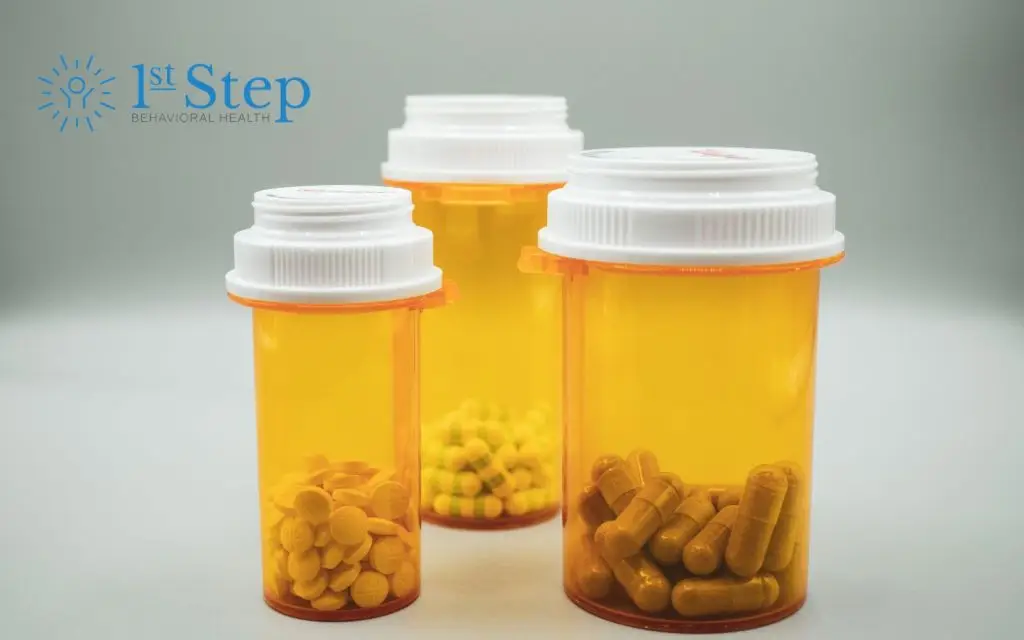
Many people believe that because Valium is a prescription medication, it must be a relatively safe drug in all situations. While Valium can be effective when prescribed by a healthcare provider, combining it with alcohol can create life-threatening consequences. The dangers increase even further when additional drugs, other medications, sleep medications, other narcotics, or illicit drugs are involved.
Understanding the risks of mixing valium and alcohol could prevent a medical emergency. Both substances affect the brain, breathing, coordination, and judgment. Together, they create a dangerous combination that can increase the risk of overdose, long-term addiction, and even death.
If you or a loved one needs information about the risks of combining alcohol and valium or addiction treatment, find comprehensive care and resources at First Step Behavioral Health.
Is Mixing Valium and Alcohol Dangerous?
Mixing valium and alcohol is never recommended. Both Valium and alcohol are central nervous system depressants, meaning they slow activity throughout the central nervous system. When these two substances are taken together, their effects become much stronger than either substance alone.
Many people who begin mixing valium with alcohol do so without realizing the dangers. Someone may take prescribed Valium for anxiety, muscle spasms, or another medical condition and later decide to drink alcohol socially. Others intentionally combine the substances to increase feelings of relaxation or sedation.
Regardless of the reason, mixing valium and alcohol places tremendous stress on the body. Since both substances reduce activity within the nervous system, breathing may slow to dangerous levels, judgment becomes impaired, and the likelihood of accidents increases significantly.
The dangers of mixing Valium extend beyond a single episode. Repeated use may contribute to chemical dependency, substance abuse, and eventually a substance use disorder that requires professional treatment.
Valium and Alcohol: Understanding Their Interactions
The interaction between Valium and alcohol affects nearly every major system in the body. Valium (diazepam) belongs to a class of prescription drugs called benzodiazepines. These medications increase the activity of a neurotransmitter GABA, helping calm the brain and reduce anxiety.
Alcohol also influences the brain’s neurotransmitters, including GABA. Because both Valium and alcohol enhance these calming effects, combining them causes far greater impairment than using either one alone.
When both alcohol and Valium are present in the bloodstream, people may experience poor judgment, reduced motor control, difficulty breathing, and other severe problems. The combination of Valium and alcohol may also reduce a person’s ability to recognize when they are in danger, making accidents, falls, and risky behaviors much more likely.
How Valium and Alcohol Affect the Brain and Body
Both Valium and alcohol change the way the brain communicates with the rest of the body. They influence the brain’s neurotransmitters, slowing electrical activity and decreasing alertness.
As central nervous system depressants, they affect:
- Breathing
- Heart rate
- Reflexes
- Coordination
- Memory
- Decision-making
- Balance
This slowing of the central nervous system is why people often feel sleepy after drinking alcohol or taking Valium. However, when the two substances are combined, the effects become unpredictable.
One of the most dangerous complications is respiratory depression, where breathing becomes dangerously slow or stops altogether. Without immediate medical attention, this condition can prove fatal. The risk increases further when additional substances like sleep medications, narcotics, and illicit drugs are used at the same time.
Mixing Valium and Alcohol Increases the Risk of Overdose
Many people underestimate the serious risks of combining medications with alcohol. Unfortunately, mixing alcohol with benzodiazepines is involved in a significant number of emergency department visits each year.
An overdose involving alcohol and Valium combinations may include:
- Severe sleepiness
- Difficulty waking up
- Blue lips or fingertips
- Slow or stopped breathing
- Loss of consciousness
- Weak pulse
- Confusion
- Coma
Because both substances suppress breathing, even amounts that seem moderate individually can become deadly together. If someone becomes difficult to wake, stops breathing normally, or loses consciousness after taking Valium and drinking alcohol, contact emergency services immediately.
Why People Combine Both Valium and Alcohol
There are many reasons someone may begin combining Valium with alcohol. Some people are attempting to relieve stress or anxiety. Others may be struggling with chronic pain, insomnia, or emotional distress. In some cases, individuals intentionally misuse the substances because they believe the combination produces stronger effects.
People living with mental health disorders may also be at greater risk for substance misuse, especially when symptoms go untreated. Over time, repeated use of both Valium and alcohol can increase tolerance. This often leads people to consume larger amounts, creating an even higher risk of overdose, dependence, and long-term health complications.
Short-Term and Long-Term Health Risks
The immediate dangers of combining Valium with alcohol are serious, but the long-term consequences can be equally devastating.
Short-term effects include:
- Poor coordination
- Falls
- Car accidents
- Impaired judgment
- Aggressive behavior
- Memory loss
- Slurred speech
- Accidental injury
Long-term misuse may contribute to:
- Alcohol addiction
- Benzodiazepine dependence
- Liver damage
- Worsening anxiety
- Depression
- Cognitive decline
- Relationship problems
- Financial difficulties
- Ongoing drug abuse
Repeated exposure to this dangerous combination can turn an occasional habit into a chronic addiction involving multiple substances.
Alcohol Withdrawal and Benzodiazepine Withdrawal
People who develop dependence on alcohol or Valium should never stop using either substance without medical guidance. Alcohol withdrawal can become life-threatening. Likewise, stopping benzodiazepines suddenly after prolonged use may cause dangerous complications.
Common alcohol withdrawal symptoms include:
- Tremors
- Sweating
- Anxiety
- Nausea
- Rapid heartbeat
- Difficulty sleeping
More severe withdrawal symptoms may include seizures, hallucinations, and delirium. Attempting to quit cold turkey significantly increases medical risks, especially for people who have been drinking heavily or have engaged in long-term benzodiazepine use.
A qualified healthcare provider can determine the safest approach for managing withdrawal. Learn more about medically supervised detox or find comprehensive addiction treatment at First Step Behavioral Health.
Who Faces the Highest Risk?
Anyone can experience harmful effects from mixing valium and alcohol, but some individuals face an even greater chance of complications.
Higher-risk groups include people who:
- Regularly drink alcohol
- Live with alcohol use disorder
- Struggle with substance abuse
- Misuse prescription drugs
- Use multiple substances
- Have underlying respiratory conditions
- Take additional sedating medications
Individuals who abuse benzodiazepines or combine alcohol with other chemicals are especially vulnerable to overdose and serious injury.
Recognizing Alcohol Addiction and Substance Use Disorder
Many people do not realize their alcohol use has become problematic until it begins affecting work, relationships, or health.
Signs of a developing alcohol addiction may include:
- Drinking more than intended
- Difficulty controlling alcohol use
- Continuing to drink despite consequences
- Needing larger amounts to feel the same effects
- Experiencing cravings
- Hiding alcohol consumption
When alcohol misuse occurs alongside misuse of prescription medications, the likelihood of developing a substance use disorder increases substantially. Recognizing these warning signs early allows individuals to seek help before the condition becomes more severe.
Treatment for Valium and Alcohol Abuse
Recovery is possible with professional support. Effective addiction treatment addresses both the physical and emotional aspects of substance use. Treatment often begins with medically supervised withdrawal management when needed. After stabilization, individuals work with professionals to develop a personalized treatment plan.
Depending on individual needs, treatment options may include:
- Medical detox
- Residential care
- Outpatient treatment
- Medication management
- Education about relapse prevention
Many people also benefit from addressing underlying anxiety, depression, trauma, or other mental health disorders during recovery. Professional care helps people safely treat alcohol misuse while reducing dependence on benzodiazepines.
Valium and Alcohol Recovery Support
Recovery from Valium and alcohol misuse involves more than simply stopping substance use. Long-term success often includes learning healthier coping skills and building a strong support system.
Many comprehensive treatment programs include:
- Individual therapy
- Group therapy
- Family counseling
- Relapse prevention education
- Peer support
A structured treatment program helps individuals understand the role that alcohol, prescription medications, and emotional health play in their recovery. Whether someone is recovering from alcohol addiction, misuse of prescription medication, or dependence involving multiple substances, ongoing support improves long-term outcomes.
If you are currently taking diazepam, always follow your provider’s instructions and avoid drinking alcohol unless your healthcare provider specifically advises otherwise.
Find Addiction Treatment Now
The dangers of mixing valium and alcohol should never be underestimated. Although Valium can be an effective medication when used exactly as prescribed, combining it with alcohol creates serious health risks that may include respiratory depression, impaired judgment, accidents, overdose, and even death.
If you or someone you care about is struggling with alcohol use, benzodiazepine misuse, or dependence on an addictive substance, help is available at First Step Behavioral Health. Contact our intake team to explore our comprehensive assessments, addiction treatment, and recovery support programs or to start the admission process.
Frequently Asked Questions
1. How long should I wait to drink alcohol after taking Valium?
There is no universal timeline because the answer depends on factors such as your dosage, how long you’ve been taking Valium, your age, liver function, and overall health. Diazepam has a long half-life, meaning it can remain in your system for several days. Always follow your healthcare provider’s instructions and avoid drinking alcohol until they confirm it is safe to do so.
2. Can mixing Valium and alcohol affect mental health?
Yes. Combining these substances can worsen symptoms of anxiety, depression, and other mental health conditions. It may also increase mood swings, impulsive behavior, confusion, and difficulty thinking clearly. For people with existing mental health disorders, the combination can make treatment more challenging and increase the risk of harmful behaviors.
3. Are older adults more vulnerable to the effects of Valium and alcohol?
Yes. Older adults often process medications and alcohol more slowly, causing the effects to last longer and become more intense. This can increase the risk of falls, fractures, memory problems, confusion, and serious medical complications. Healthcare providers typically recommend extra caution when prescribing benzodiazepines to older adults.
4. Can I safely take other medications while using Valium?
Before taking any new medication, including over-the-counter medicines, herbal supplements, or sleep aids, speak with your healthcare provider or pharmacist. Many medications can interact with Valium and increase drowsiness or other side effects. Your provider can review your medications and help you avoid potentially dangerous interactions.
5. When should someone seek immediate medical attention?
Call emergency services right away if someone who has taken Valium and consumed alcohol cannot be awakened, has trouble breathing, experiences seizures, becomes unresponsive, or develops blue lips or fingertips. Prompt medical care can be lifesaving, even if you are unsure how much alcohol or medication was consumed.
Sources
Jump to a Section
Call (855) 425-4846