In the mid 90s, Oxycontin was just released and it was being pushed hard as a less addictive painkiller. Come nearly 30 years later, it turns out that opioids were far less harmless than advertised. In the current day, Americans are aware of just how destructive opioid abuse can be. However, one of the biggest casualties of the opioid crisis is the toll it has taken on the older generation. It is difficult to confront the people who raised you and the rest of your generation, but sometimes, a direct approach is necessary to save them from a crippling addiction.
Convincing
First of all, in order to get a parent into rehab, you need to convince them to do so. Gone are the days where a person can drag another person to an asylum and they’re stuck there. Going into rehab must be a voluntary choice. There are a couple of paths that can be taken to get them into rehab of their own volition. First, don’t count on rock bottom to get them moving; if you can convince them before they hit their lowest point, then that’s better for them. Second, there are ways to get the idea of medical detox into someone’s head without directly trying to talk them into it, such as asking them what their life was like before the drugs, or if they’ve taken any steps to take fewer drugs.
Support Structure
Once the parent has managed to get into rehab, the after care is especially important. While they won’t need affirmations every hour of the day, it is important that they know that their decision to go into rehab had positive effects on the family. It’s also important not to be too judgmental on them as well. A parent’s pride can be easily wounded by a child who’s too overbearing or coddling, so try not to treat them too differently. Also, it’s important that they not be in the same kind of situation that they were before they got into rehab, so make sure their surroundings won’t make them try to go back into the habit.
If you have a parent or know someone with a parent who is addicted to chemical substances and are near Ft. Lauderdale, contact us right away.
To provide the best experiences, we use technologies like cookies to store and/or access device information. Consenting to these technologies will allow us to process data such as browsing behavior or unique IDs on this site. Not consenting or withdrawing consent, may adversely affect certain features and functions.
Functional
Always active
The technical storage or access is strictly necessary for the legitimate purpose of enabling the use of a specific service explicitly requested by the subscriber or user, or for the sole purpose of carrying out the transmission of a communication over an electronic communications network.
Preferences
The technical storage or access is necessary for the legitimate purpose of storing preferences that are not requested by the subscriber or user.
Statistics
The technical storage or access that is used exclusively for statistical purposes.The technical storage or access that is used exclusively for anonymous statistical purposes. Without a subpoena, voluntary compliance on the part of your Internet Service Provider, or additional records from a third party, information stored or retrieved for this purpose alone cannot usually be used to identify you.
Marketing
The technical storage or access is required to create user profiles to send advertising, or to track the user on a website or across several websites for similar marketing purposes.
Brittany has been working in the field of addiction and mental health since 2012. Brittany holds a master’s degree in social work and has experience with chemical dependency and co-occurring mental health diagnoses. She is experienced with various therapeutic techniques, including CBT, DBT, motivational interviewing, and experiential therapy that she individualizes for her clientele. Brittany is passionate about treating all clients with dignity and respect while providing a safe environment where clients can begin their healing journey in recovery. Brittany’s role as the Assistant Clinical Director has allowed her to integrate the philosophies of 1st Step into her daily practice and continue to grow both professionally and personally. She enjoys practicing yoga and spending time with two of 1st Step’s furry mascots, her dogs Maya and Cairo.
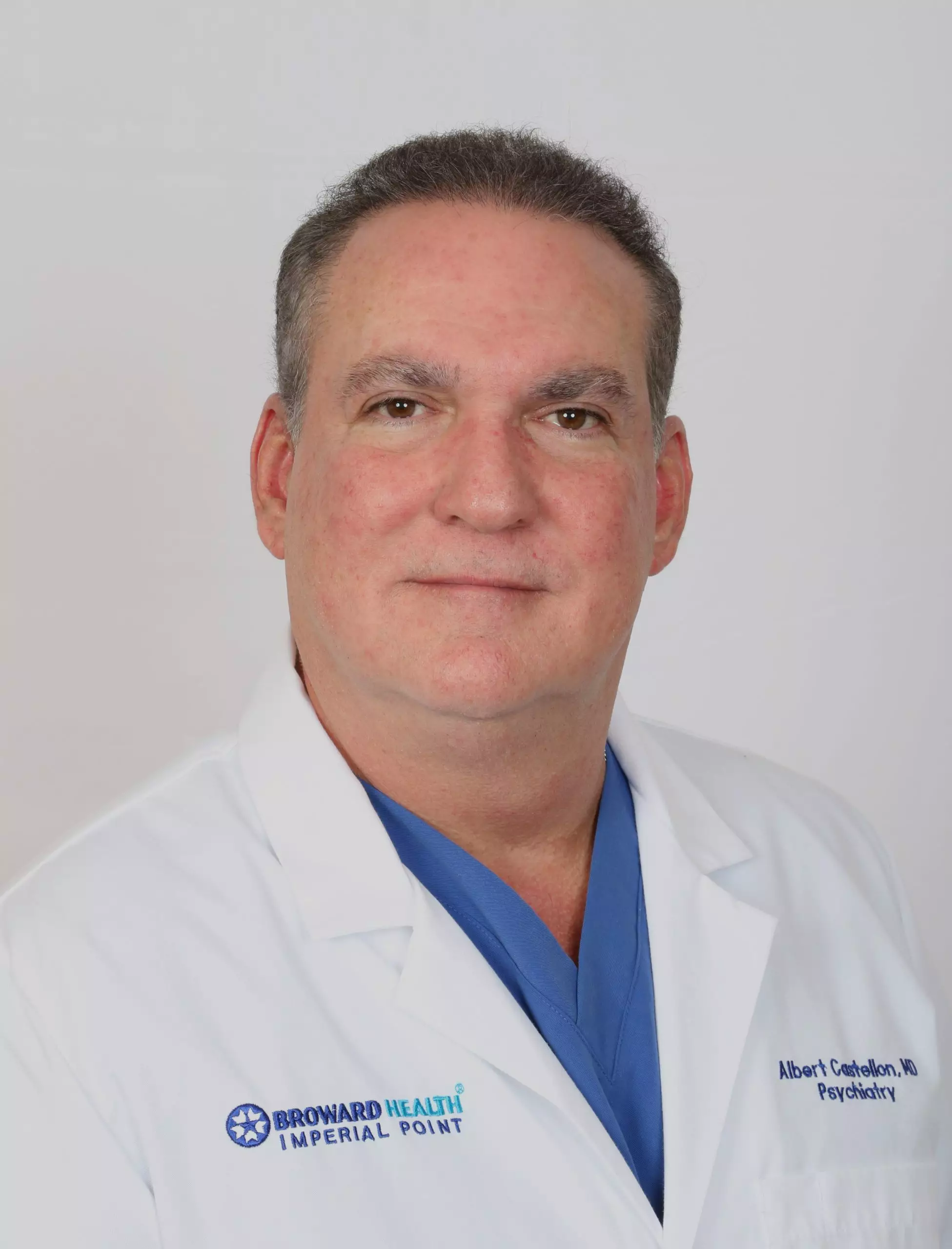
Albert Castellon
Psychiatrist
Dr. Castellon obtained his undergraduate degree in Psychology at The University of Miami. He later attended Escuela Autonoma de Ciencias Medicas in Costa Rica where he received his Doctorate in Medicine. He then returned to the University of Miami/Jackson Memorial Hospital, where he completed his Residency in Psychiatry working in veterans affairs for 4 years. Dr. Castellon has worked as an attending physician at Memorial Regional Hospital, Broward Health Medical Center and Broward Health Imperial Point as well as managing a successful outpatient practice. Dr. Castellon specialized in emergency psychiatry, psychiatric consultation liaison, and inpatient psychiatry and addiction medicine. He held the position as Chairman for the Department of Psychiatry at Broward Health Medical Center from 2008 – 2014. Dr. Castellon joined the 1st Step family in 2017 and has served as Medical Director. Dr Castellon is an active member of the American Psychiatric Association, American Medical Association, American Association of Psychiatric Medicine, Association for Convulsive Therapy and American Society of Addiction Medicine.
Tim Anderson
Medical Director
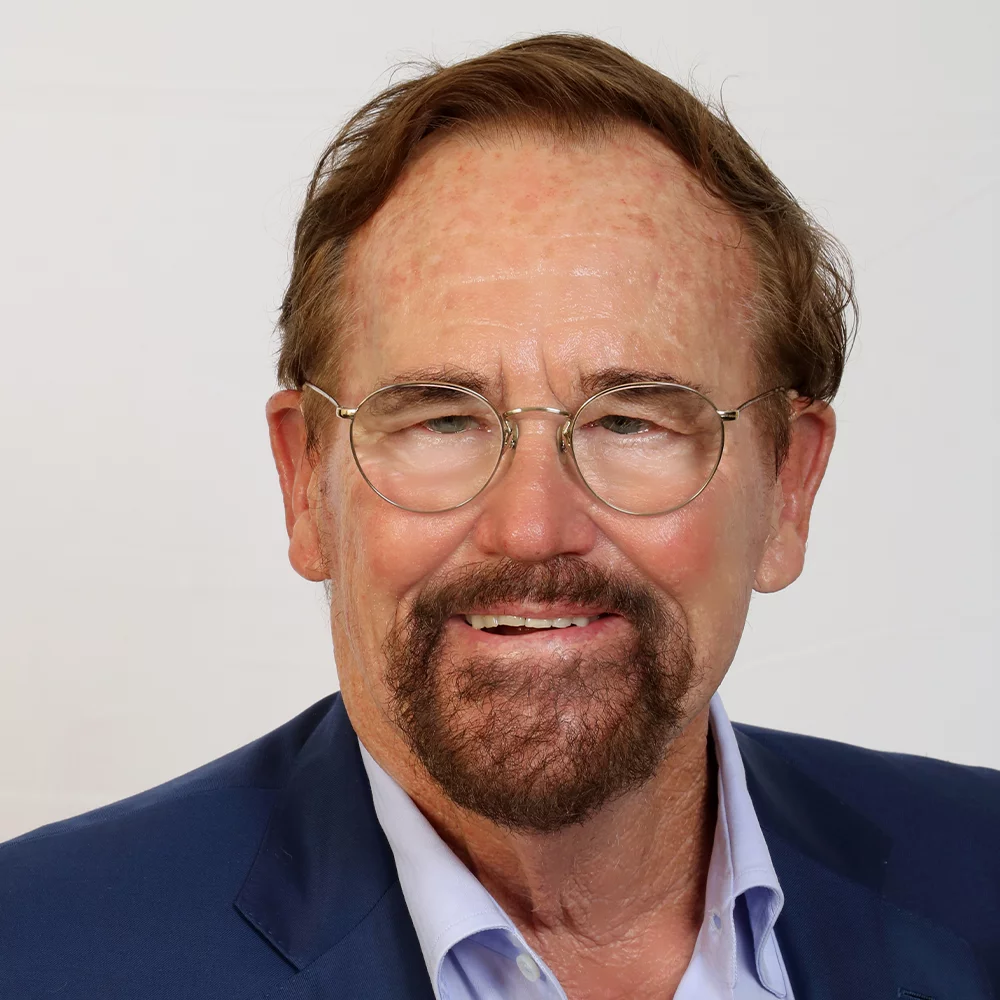
Tim Anderson, MD, MPH, FASAM is a highly experienced physician in the field of addiction medicine. He graduated from Washington University with a BA in Biology in 1973 and went on to earn his MD from St. Louis University School of Medicine in 1977.
Dr. Anderson's first ten years of medical career were spent as a Flight Surgeon and Emergency Medicine physician in the Air Force, which he enjoyed. He then spent the next fifteen years as a private practice hospital-based general internist.
In 2000, Dr. Anderson returned to the University to pursue a residency in Public Health and earned his Master's degree in Public Health (MPH). Since then, he has practiced in all phases of substance abuse, including detox, residential, PHP, OP, and maintenance.
Dr. Anderson is Board Certified in Addiction Medicine and has recently been named a Fellow of the American Society of Addiction Medicine. His extensive experience and expertise in addiction medicine make him a valuable asset to any treatment team.
Despite his busy schedule, Dr. Anderson enjoys spending time with his family and playing golf. He is driven to work in the field of addiction medicine by a desire to help individuals and families struggling with addiction and to make a positive impact in their lives.