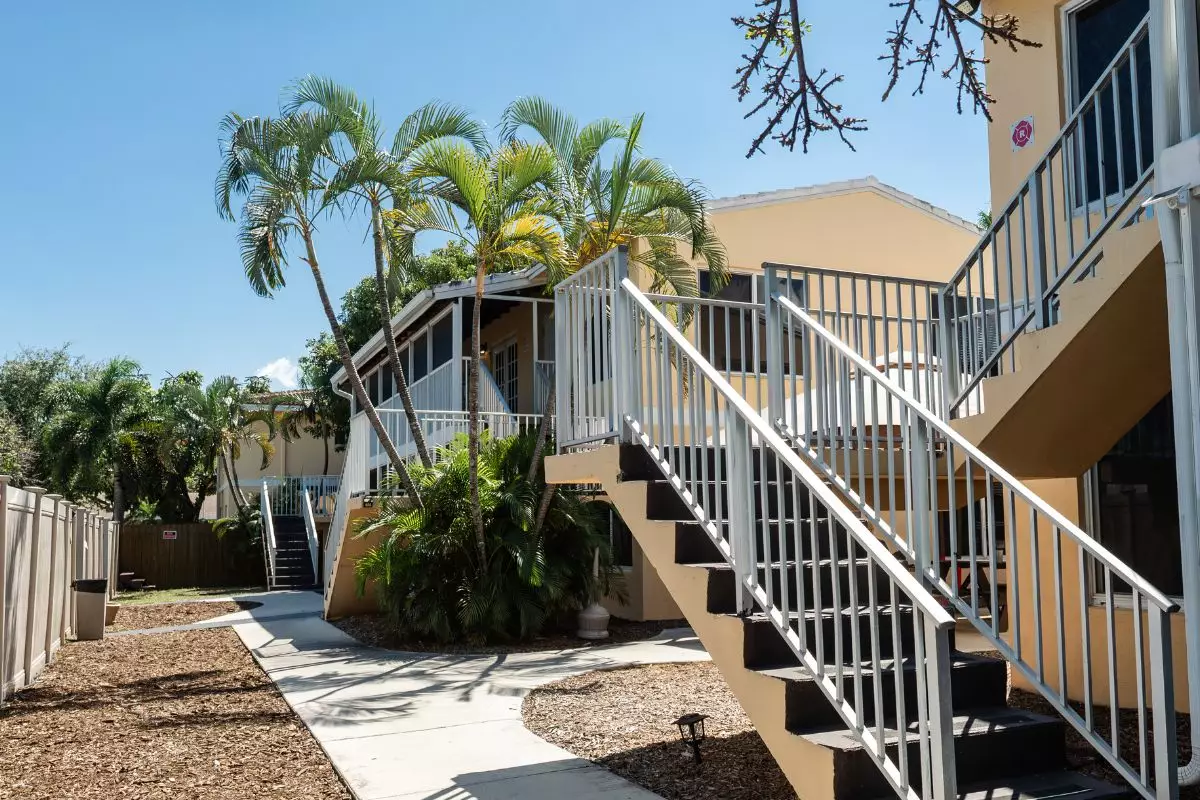

Finding the right place to begin a recovery journey can make a meaningful difference in the healing process. For many people, mental health recovery in Pompano Beach offers a combination of clinical support, natural surroundings, and access to high-quality care. Located in Pompano Beach, this coastal community in South Florida provides an environment that supports both emotional and physical well-being.
This article explores why Pompano Beach, FL has become a strong choice for individuals seeking help with mental health conditions, substance use disorders, and co-occurring disorders, and how its setting supports lasting recovery. If you or a loved one needs treatment or recovery support, find comprehensive care at First Step Behavioral Health.
A Calming Environment That Supports Healing
One of the most important factors in recovery is the environment. People facing mental health challenges or drug and alcohol addiction often benefit from a setting that feels safe, calm, and restorative.
Pompano Beach, Florida, offers:
- Warm weather year-round
- Access to ocean views and outdoor spaces
- A slower pace compared to large cities
These elements create a supportive environment where individuals can step away from daily stress and focus on healing.
Being near the water, for example, can reduce anxiety and improve mood, which supports mental health therapy and overall behavioral health. For many, this peaceful setting serves as a foundation for rebuilding stability during recovery.
Access to Comprehensive Mental Health Treatment
Another key reason people choose this area is the availability of comprehensive mental health treatment. Individuals can find care that addresses a wide range of mental health disorders, including:
- Depression
- Anxiety disorders
- Bipolar disorder
- Personality disorders
- Trauma-related conditions
Effective mental health treatment involves more than symptom management. It includes understanding the root causes of distress and building tools for long-term stability. In this region, many programs emphasize:
- Evidence-based therapies
- Trauma-informed care
- Ongoing evaluation of mental health needs
This approach ensures that care is not one-size-fits-all but instead focused on the individual’s unique experience.
Integrated Care for Mental Health and Substance Use
Many people seeking help are dealing with both mental illness and substance abuse disorders. This is often referred to as dual diagnosis treatment.
Programs in this area often offer dual diagnosis treatment, which means they treat both mental health and substance use issues at the same time. This is essential because untreated mental health conditions can increase the risk of relapse.
Common concerns addressed include:
- Alcohol addiction
- Substance use disorders
- Substance abuse
- Co-occurring disorders
Care may begin with medical detox, especially for individuals experiencing withdrawal symptoms from alcohol or drugs. From there, clients move into structured programs that combine therapy with addiction support. This integrated approach helps people build a stronger foundation for long-term recovery.
A Full Continuum of Treatment Programs
Pompano Beach is known for offering a wide range of treatment programs that meet people at different stages of recovery. This flexibility allows individuals to receive the level of care they need without disruption.
Here is an overview of the programs involved in the treatment continuum.
Residential Treatment
Residential treatment provides a highly structured setting where individuals live on-site. This level of care is helpful for those facing severe mental health conditions or complex mental health challenges.
Partial Hospitalization Programs
Partial hospitalization programs (PHP) offer intensive care during the day while allowing individuals to return home or to supportive housing at night. This type of partial hospitalization bridges the gap between inpatient and outpatient care.
Intensive Outpatient Programs
Intensive outpatient programs and intensive outpatient care allow individuals to receive structured therapy while continuing aspects of daily life, such as work or family responsibilities.
Outpatient Treatment
Outpatient treatment and outpatient services provide ongoing support with more flexibility. These programs are often used after completing higher levels of care.
This full continuum ensures that people can move through the recovery journey at a pace that supports sustainable progress.
Personalized Care and Treatment Plans
No two recovery experiences are the same. That’s why personalized treatment plans are essential.
In Pompano Beach, many providers focus on:
- Personalized care plans
- Individual goals and challenges
- Ongoing adjustments to treatment plans
This level of customization helps address:
- Specific mental health disorders
- Personal triggers and stressors
- Long-term wellness goals
Personalized treatment ensures that each individual receives the right mix of therapy, support, and clinical care needed for lasting recovery.
Evidence-Based and Therapeutic Support
Quality care relies on proven methods. Programs in this region emphasize evidence-based treatment and clinical excellence.
Common approaches include:
- Dialectical behavior therapy
- Cognitive behavioral techniques
- Individual and group therapy
- Group therapy for shared experiences
- Family therapy to strengthen relationships
These therapy sessions are often structured and goal-oriented, helping individuals build coping skills, regulate emotions, and improve communication. In addition, structured therapy sessions provide consistency, which is especially important for those managing mental health conditions or recovering from substance use.
Strong Clinical and Emotional Support
Mental health conditions can be complex, involving every aspect of a person’s life. Recovery is not just about therapy—it’s about connection and support.
Programs in this area emphasize:
- Continuous clinical support
- Compassionate care teams
- Safe and respectful environments
This combination creates a space where individuals feel understood and supported throughout their recovery process. Therapeutic support also extends beyond formal sessions. Staff members often help individuals navigate daily challenges, reinforcing skills learned in treatment.
Healing often involves more than the individual. Family involvement plays a critical role in recovery.
Programs may include:
- Family education sessions
- Family therapy
- Communication and boundary-setting tools
This helps rebuild trust and creates a stronger support system at home.
In addition, being part of a recovery-focused community in Pompano Beach, Florida, can reduce feelings of isolation. Peer connections formed during treatment often continue as part of ongoing support.
Recovery does not end when a program is completed. Aftercare support is essential for maintaining progress.
Many programs provide:
- Continued outpatient program options
- Relapse prevention planning
- Access to support groups
- Guidance for navigating work and relationships
This focus on ongoing treatment ensures that individuals are not left without support after leaving a structured setting. A strong aftercare plan helps people maintain stability and continue building a fulfilling life.
Accessibility Through Insurance and Flexible Options
Access to care is an important consideration. Many programs in this area work with:
- Health insurance providers
- Major insurance plans
- Most major insurance plans
- A wide range of insurance providers
This makes mental health care and addiction treatment more accessible to those who need it.
Flexible program options, including outpatient services and intensive outpatient programs, also allow individuals to balance treatment with personal responsibilities.
Some individuals face complex mental health concerns that require specialized care. Programs in this region often provide:
- Specialized programs for trauma
- Support for co-occurring disorders
- Integrated care for mental health and substance use
This level of attention ensures that even the most challenging conditions are treated with care and expertise.
A Place That Supports the Full Recovery Journey
Ultimately, what makes this area unique is how all these elements come together. From its natural setting to the availability of high-quality care, Pompano Beach, FL, supports every stage of the recovery journey.
Individuals can find:
- A calm and healing environment
- Access to comprehensive mental health treatment
- Flexible treatment programs
- Strong clinical support
- Long-term resources for ongoing support
Whether someone is beginning with medical detox, stepping into a rehabilitation center, or continuing with outpatient treatment, the goal remains the same: building a stable, healthy future.
Find Addiction Treatment and Recovery Support Now
Choosing where to begin recovery is a deeply personal decision. For many, mental health recovery in Pompano Beach offers the right balance of professional care and a peaceful environment.
With its focus on personalized care, evidence-based therapies, and a full range of treatment programs, this community provides a strong foundation for healing. From addressing mental health disorders to supporting those with substance abuse disorders, the resources available here are designed to meet people where they are.
Recovery is not a quick fix—it is a process that unfolds over time. If you or a loved one needs treatment to address a mental health condition, you are not alone. Reach out to the First Step Behavioral Health specialists to explore our programs, verify your insurance, or schedule an intake appointment.
Frequently Asked Questions
1. What should I look for when choosing a mental health treatment program?
When selecting a program, focus on whether it offers evidence-based treatment, licensed clinical staff, and flexible levels of care. It’s also important to look for programs that provide personalized care and address both mental health conditions and substance use disorders if needed. Asking about staff credentials, therapy approaches, and available support services can help you make a more informed decision.
2. How long does mental health treatment typically last?
The length of treatment varies depending on individual needs, symptom severity, and the type of program. Some people may benefit from a few weeks of structured care, while others may need several months of ongoing treatment. Recovery is not linear, and many individuals continue with outpatient services or support programs even after completing more intensive care.
3. Can I continue working or going to school during treatment?
Yes, many people can maintain work or school responsibilities, especially in flexible programs such as outpatient treatment or intensive outpatient programs. These options are designed to fit around daily schedules while still providing consistent mental health therapy and support.
4. What types of therapy are most effective for mental health and addiction?
Effective treatment often includes a combination of approaches. Common options include cognitive behavioral therapy, dialectical behavior therapy, and trauma-focused therapies. Many programs also incorporate group therapy and skill-building sessions to help individuals manage stress, emotions, and relationships more effectively.
5. Will my privacy be protected during treatment?
Yes, confidentiality is a core part of mental health care. Treatment providers are required to follow strict privacy laws that protect your personal and medical information. This allows individuals to seek help and participate in therapy with confidence and peace of mind.
6. What happens if I relapse during recovery?
Relapse can be a part of the recovery process for some individuals and does not mean failure. If it happens, the focus shifts to understanding what led to the setback and adjusting the treatment plan. Many programs offer additional support, including more structured care or revised strategies, to help individuals return to their recovery path.
Sources:
Jump to a Section
Call (855) 425-4846