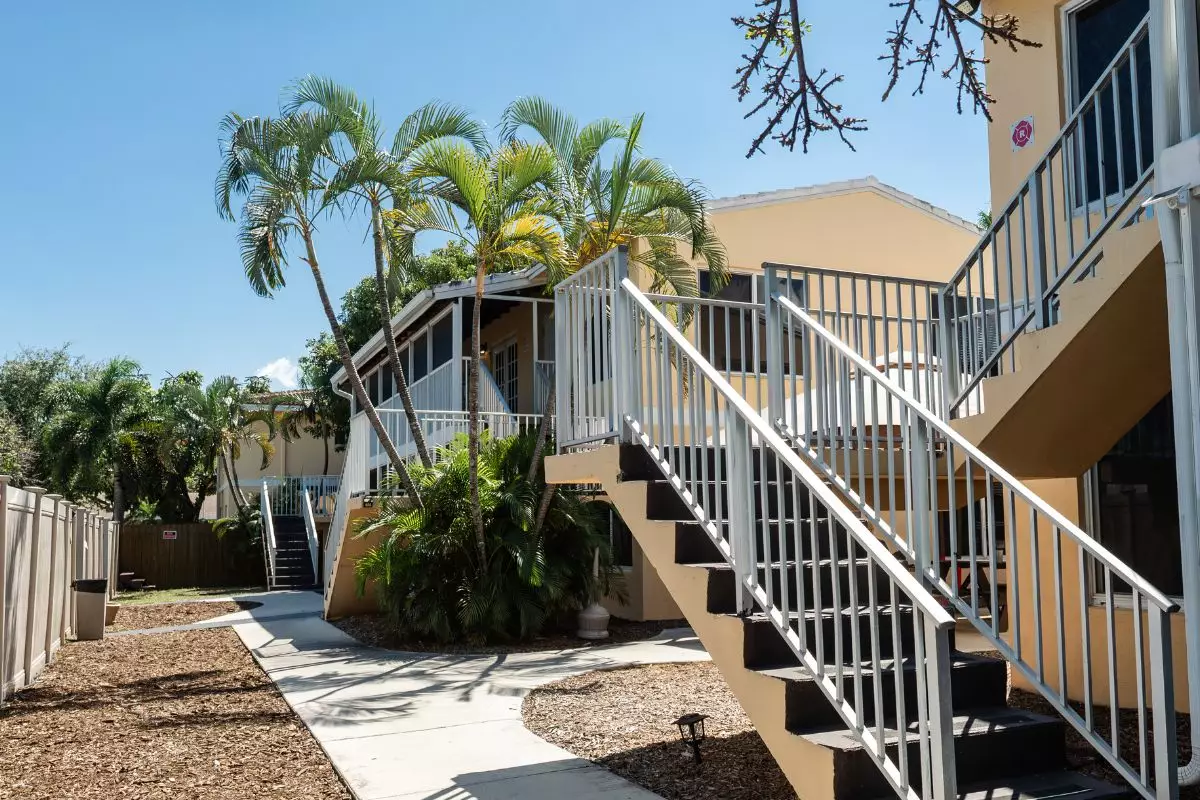

When mental health issues become too overwhelming to manage alone or through outpatient treatment, a residential mental health facility in Florida may offer the supportive environment needed for real healing. Whether someone is battling depression, anxiety, trauma, eating disorders, substance abuse, or other mental health disorders, residential treatment can provide structure, safety, and personalized care in a peaceful setting.
For many patients and their loved ones, deciding to enter a treatment center can raise questions and create uncertainty. What should you expect? What will day-to-day life look like? How does the healing process begin?
This guide walks you through the essential aspects of residential mental health care in Florida so you can choose your level of care with confidence.
What Is a Residential Mental Health Facility?
A residential mental health facility is a live-in treatment center where individuals struggling with mental illness, addiction, or co-occurring disorders receive intensive care 24/7. Unlike outpatient treatment, which typically involves therapy sessions during the day and returning home at night, residential treatment requires patients to remain on-site throughout their stay.
Florida is home to many reputable residential treatment centers that focus on stabilizing acute symptoms, addressing underlying causes, and helping clients build tools for long-term recovery and well-being.
Who Benefits From Residential Treatment?
There are several levels of mental health treatment, each offering a different type of care and support. Residential programs are best suited for individuals who:
- Are struggling with severe mental health disorders or symptoms that have not improved through outpatient care
- Have a history of self-harm, suicidal thoughts, or risky behaviors
- Need a break from daily stressors to focus solely on healing
- Are facing co-occurring issues like addiction, trauma, or eating disorders
- Require medical supervision, medication management, or round-the-clock support
Many patients enter residential care after a hospitalization or after realizing that their current level of care is no longer sufficient. A structured, nurturing environment can make a tremendous difference in restoring health, stability, and dignity.
Beginning the Journey: Assessment and Verification
The process typically begins with a thorough assessment of your mental health, physical well-being, substance use history, and personal background. Trained therapists and clinicians evaluate your needs to create a personalized care plan that’s designed to meet your unique needs.
Verification of your insurance benefits is also part of the intake process. While you may encounter terms like “verification successful waiting” or “ray ID” during online form submissions, know that these are part of the security and data protection measures that ensure your information is processed safely. Once verification is complete, the admissions staff will guide you through enrollment.
What Happens After Admission?
Upon arrival, patients are welcomed into a supportive community where they are encouraged to feel safe, seen, and respected. The first few days may involve orientation, meetings with treatment providers, and gradual adjustment to the routine.
Here’s what patients can generally expect during their stay.
A Structured Daily Schedule
Structure plays a vital role in stabilizing mood, reducing stress, and promoting accountability. Patients typically follow a balanced schedule that includes:
- Individual and group therapy sessions
- Medication monitoring and review
- Mindfulness and wellness practices
- Recreational activities and exercise
- Educational programs on coping, communication, and relapse prevention
- Free time for reflection, journaling, or connecting with others
This structure helps patients focus on healing and provides a predictable rhythm that supports recovery.
Intensive Therapeutic Support
Therapy is the foundation of effective treatment. Most facilities offer a range of evidence-based modalities tailored to the patient’s diagnosis and personalized care plan.
This may include:
- Cognitive Behavioral Therapy (CBT)
- Dialectical Behavior Therapy (DBT)
- Trauma-focused therapies like EMDR
- Family therapy and psychoeducation
- Group therapy focused on specific disorders or recovery themes
Therapists encourage patients to open up in a safe setting and explore the root causes of distress, while also helping them identify and change unhelpful patterns.
Holistic Healing Approaches
Beyond traditional therapy, many treatment centers incorporate holistic methods to support the whole person—body, mind, and spirit.
These can include:
- Yoga and movement classes
- Art or music therapy
- Nature walks or gardening
- Equine-assisted therapy
- Nutrition counseling
These practices help patients reconnect with their physical bodies, reduce anxiety, and build healthy coping mechanisms.
Community and Connection
Isolation is a common experience in mental illness, but healing often comes through connection. In residential treatment, patients live alongside others who understand what they’re going through. Sharing meals, group sessions, and recreational activities helps build a sense of belonging and mutual support.
This community dynamic fosters empathy, accountability, and meaningful relationships—key elements in long-term success.
Addressing Co-Occurring Conditions
Many individuals facing mental health challenges also struggle with substance abuse, trauma, or other co-existing issues. The best residential treatment centers in Florida are equipped to address these complexities with integrated programs that combine addiction treatment and mental health services.
Whether someone is recovering from drugs, alcohol, or process addictions, a unified approach ensures that all aspects of their well-being are addressed.
Family Involvement and Support
The support of a loved one can be a powerful motivator in recovery. Many programs offer family therapy, education sessions, and regular communication to help relatives understand the mental health disorders their loved ones are facing. Involving family members not only strengthens the support system but can help repair strained relationships and rebuild trust.
Ensuring Long-Term Recovery: Discharge and Follow-Up Care
Discharge planning begins early in the treatment process to ensure a smooth transition. Before leaving residential care, patients set goals and review progress with their clinical team.
They also collaborate on a long-term plan that may include:
- Step down to outpatient treatment
- Continued therapy and medication management
- Support groups or sober living environments
- Ongoing follow-up care appointments
A solid aftercare plan helps patients stay connected to the tools and support needed to maintain stability and address future challenges.
Whether you’re entering treatment yourself or seeking help for a loved one, knowing that you’re in a supportive environment that sees you as a whole person—not just a diagnosis—can be incredibly reassuring.
Find Treatment and Support Now
If you’re wondering whether a residential treatment center is the right place for you or someone you care about, consider the possibility that this could be the turning point. Help is out there, and healing is possible—one step at a time.
Find the treatment programs and support you need to manage your mental health at First Step Behavioral Health. Explore your treatment options or schedule an intake appointment by contacting us today.
Frequently Asked Questions
1. How long does someone typically stay at a residential mental health facility in Florida?
The length of stay varies depending on the individual’s condition, progress, and treatment plan. Most residential programs range from 30 to 90 days, but some clients may benefit from extended stays, especially when dealing with complex or co-occurring disorders.
2. Can residents continue school or work responsibilities during treatment?
Most residential facilities prioritize healing and limit outside responsibilities during treatment. However, some centers offer academic support for adolescents or remote work accommodations for adults when clinically appropriate. It’s important to discuss these needs during the intake process.
3. Are visitors allowed during residential treatment?
Yes, but visitation policies vary by facility. Some centers have designated visitation days or allow scheduled virtual meetings to maintain healthy family connections. These visits are often integrated into the therapeutic process to reinforce external support systems.
4. What should someone pack for a stay in residential treatment?
Patients should bring comfortable clothing, basic toiletries, and any prescribed medications. Most centers provide a packing list during the admissions process, along with guidelines about prohibited items to ensure safety and focus during the stay.
5. Will my privacy be protected during treatment?
Absolutely. Residential treatment centers are required to follow HIPAA and state privacy laws. Information shared in therapy or during your stay is kept confidential, and only authorized individuals (like legal guardians or designated family members) may access updates with your consent.
Sources:
Jump to a Section
Call (855) 425-4846