
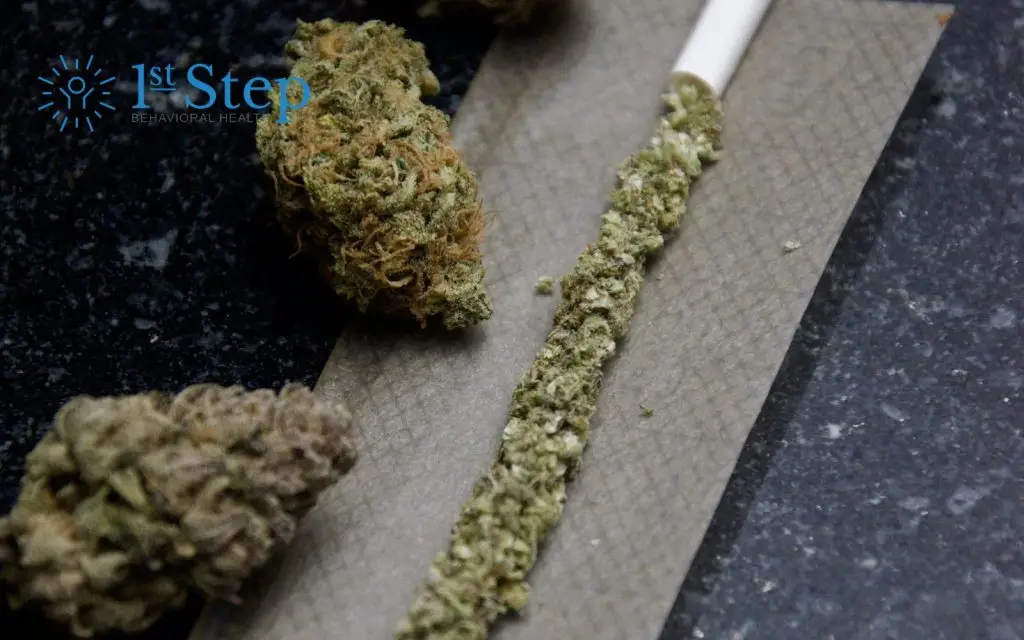
The term “sprayed weed” can sound ambiguous, even alarming, especially to casual cannabis users or those unfamiliar with the agricultural side of cannabis cultivation. While “sprayed” might suggest something as harmless as misted water on a hot day, in the context of marijuana, it often signals something far more serious—contamination. If you frequently use marijuana, understanding what sprayed weed is, how it affects health, and how to avoid it is essential.
This article explores the concept of sprayed weed, differentiates between legal agricultural practices and harmful additives, and offers clarity on how regulation, science, and consumer awareness are reshaping the conversation.
What Is Sprayed Weed?
In its most basic sense, “sprayed weed” refers to cannabis that has been intentionally treated with a substance after harvest. The substance can be either legal (e.g., pesticides during the cultivation phase) or illicit (e.g., synthetic cannabinoids added post-harvest to low-grade or inert plant material). The concern primarily lies with the latter.
Sprayed weed most commonly refers to cannabis that has been laced—coated with chemical agents to enhance potency or mimic the psychoactive effects of THC. This lacing is not visible to the naked eye and often undetectable by smell, making it particularly dangerous.
Common Spraying Agents
Sprayed weed can contain a wide variety of substances. Below are the most commonly reported:
1. Synthetic Cannabinoids (e.g., K2, Spice)
These man-made chemicals are designed to mimic THC, the psychoactive component of cannabis, but they bind more aggressively to cannabinoid receptors in the brain, causing unpredictable and often dangerous reactions. Originally developed for medical research, these substances have been hijacked for illegal recreational use.
The CDC reports over 1,300 emergency department visits annually in the U.S. due to synthetic cannabinoid use.[1]
2. Pesticides and Fungicides
Though often used during cultivation, some unscrupulous growers apply pesticides post-harvest to preserve weed or improve appearance. Residues of chemicals like myclobutanil (which releases toxic hydrogen cyanide when burned) can pose serious health risks.
In 2023, California’s Department of Cannabis Control tested over 3,250 samples; 13% failed due to pesticide residues above legal limits.[2]
3. Glass Beads and Silica
In an effort to artificially enhance weight and make buds appear “frostier,” some products have been sprayed with fine glass or silica particles. This is not only deceptive—it can be highly dangerous when smoked or inhaled.
Why Is Weed Sprayed?
1. Profit Margins
Low-quality cannabis is often sprayed to increase its psychoactive effect or to mimic the appearance and smell of high-end strains. This boosts perceived value and allows distributors to charge higher prices.
2. Shelf Life
Mold-preventing agents and preservatives may be used on improperly stored or old cannabis to extend its shelf life—often without informing the consumer.
3. Imitating Potency
Especially in black markets, where lab testing isn’t standard, low-potency cannabis might be treated with synthetic THC analogs to fool consumers into thinking they’re buying high-quality weed.
Health Risks of Sprayed Weed
The health implications of consuming sprayed weed are both short-term and long-term, and in some cases, fatal.
Symptoms of smoking sprayed weed may include:
- Nausea and vomiting
- Extreme anxiety, panic attacks
- Psychosis or hallucinations
- Respiratory distress
- Seizures or cardiac arrest (especially with synthetic cannabinoids)
If you smoke weed every day, you could develop long-term health risks, especially if the weed has been sprayed with harmful chemicals. The long-term or chronic health risks of consuming sprayed weed include:
- Increased cancer risk from inhaling toxic compounds
- Lung diseases (e.g., silicosis from inhaling silica or glass)
- Neurological damage
- Dependence or psychological addiction (particularly with synthetic cannabinoids)
In 2020 alone, the National Poison Data System (NPDS) recorded 3,663 calls related to synthetic cannabinoid poisoning in the U.S.—a stark reminder of the danger posed by sprayed substances in the cannabis market.[3]
Detection: How Can You Tell If Weed Has Been Sprayed?
Visually or by smell, detection can be difficult. However, these signs may raise red flags:
- Unnatural shine or sticky residue- Synthetic spray agents may leave a glossy or syrupy film.
- Chemical or synthetic odor- If the scent is not plant-like but rather chemically pungent or plastic-like, it may indicate contamination.
- Harsh burn or unusual taste- Sprayed weed often burns unevenly and produces acrid, harsh smoke.
- Unexpected effects- If the psychoactive response is disproportionately intense or produces paranoia, hallucinations, or nausea, it may be synthetic.
Lab testing is the only definitive way to verify cannabis purity. In states with legal recreational or medicinal cannabis, licensed dispensaries are required to conduct and publish lab results on each batch.
Regulatory Landscape
The rise in cannabis legalization across North America has brought tighter controls and increased scrutiny. For example:[4,5]
- California, Colorado, and Oregon now mandate multi-tiered testing for pesticides, molds, heavy metals, and residual solvents.
- Health Canada imposes a strict cap on pesticide levels and mandates product recalls if these limits are exceeded.
- In contrast, illegal markets remain largely unregulated, and studies suggest 70-85% of contaminated weed originates from illicit sources.
The challenge? As of 2025, roughly 40% of cannabis users in the U.S. still source their products outside legal dispensaries, making them more vulnerable to sprayed products.[6]
Reducing Risk: What Consumers Can Do
1. Buy Legal
The safest route is always through licensed dispensaries where products undergo rigorous third-party lab testing.
2. Ask for COAs (Certificates of Analysis)
These are lab reports that list the levels of THC, CBD, and contaminants in a batch. Reputable sellers should make these available upon request.
3. Trust Your Senses
If it smells off, feels oddly sticky, or produces unexpected reactions, don’t use it.
4. Know Your Source
Avoid street-level sellers or unknown online vendors. Trust, in this case, should be data-backed, not anecdotal.
Get Connected to Help for Cannabis Addiction
Sprayed weed is not a rare occurrence—it’s a growing problem, especially in unregulated markets. Whether through the addition of synthetic cannabinoids, toxic pesticides, or aesthetic enhancers like glass particles, the risk it poses to consumer health is real and significant.
As the cannabis industry matures, public awareness, regulatory enforcement, and consumer advocacy will be crucial in reducing the circulation of adulterated cannabis. For now, education remains the best defense.
If you consume cannabis, stay informed. If you’re in the industry, prioritize transparency. Because behind every shiny bud should be a product that’s safe, clean, and what it claims to be.
If you suffer from marijuana addiction, it’s time to seek help. At 1st Step Behavioral Health, we provide evidence-based treatments to ensure you achieve long-term sobriety. Contact us today for more information on how we can help you recover.
FAQ: Sprayed Weed – What Else You Should Know
1. Can sprayed weed affect drug test results?
Yes, sprayed weed—especially if laced with synthetic cannabinoids—can lead to unusual or inconsistent drug test results. Some synthetic compounds won’t register as THC on standard drug panels but may trigger red flags or false positives for other substances. Advanced testing methods can sometimes detect specific synthetic agents, but these are not routinely used.
2. Is there a difference between sprayed weed and moldy weed?
Yes. Sprayed weed has been intentionally treated with chemicals or synthetic substances, often post-harvest. Moldy weed, on the other hand, is the result of improper storage or cultivation, leading to fungal growth such as Aspergillus or Botrytis. Both are harmful but stem from different causes and require different preventative strategies.
3. Can CBD products also be sprayed?
Absolutely. While CBD flower or oil is often viewed as safer or non-intoxicating, it is not immune to adulteration. Unscrupulous sellers may spray CBD flower with synthetic cannabinoids to mimic the high of THC or enhance perceived strength. Consumers should approach unregulated CBD products with the same caution as THC products.
4. How common is sprayed weed in legal vs. illegal markets?
In regulated legal markets, sprayed weed is extremely rare due to mandatory testing and quality control. In contrast, it’s significantly more prevalent in illicit markets, where no testing is required and producers may enhance weak products to increase profits. A 2023 DEA report noted that 70% of synthetic cannabinoid-laced cannabis was seized from illegal supply chains.
5. What should I do if I think I’ve consumed sprayed weed?
If you experience unusual symptoms such as hallucinations, severe anxiety, chest pain, or confusion, seek medical help immediately. If possible, retain a sample of the product for potential testing. Reporting the incident to local health authorities or poison control can help prevent further harm to others.
6. Are there DIY methods to test for sprayed weed at home?
Currently, no at-home kits can reliably detect synthetic cannabinoids or contaminants in cannabis. While some users attempt “burn tests” or visual inspections, these methods are highly unreliable. The most effective method remains third-party lab testing, often accessible through licensed dispensaries.
References:
- The Substance Abuse and Mental Health Services Administration (SAMHSA): Drug-Related Emergency Department Visits Involving Synthetic Cannabinoids
- CRB Monitor News: California Crescendos Testing Lab Scrutiny
- The Centers for Disease Control and Prevention (CDC): Acute Poisonings from Synthetic Cannabinoids — 50 U.S. Toxicology Investigators Consortium Registry Sites
- Department of Cannabis Control, California: Department of Cannabis Control submits proposed pesticide testing requirements for public input
- Government of Canada: Mandatory cannabis testing for pesticide active ingredients – Requirements
- United Nations Office on Drugs and Crime: CANNABIS LEGALIZATION
Jump to a Section
Call (855) 425-4846