
In recent years, the ongoing opioid epidemic has brought greater awareness to prescription medications like the M365 pill. Many people who begin using opioid medications for legitimate reasons—like managing severe pain—can find themselves on a difficult path involving dependency, substance abuse, or even opioid addiction.
Understanding what the M365 pill is, its uses, and its risks is essential for anyone managing chronic pain or supporting someone in recovery. This article will provide information about the M365 pill, opioid abuse, and where to find treatment and recovery support.
What Is the M365 Pill?
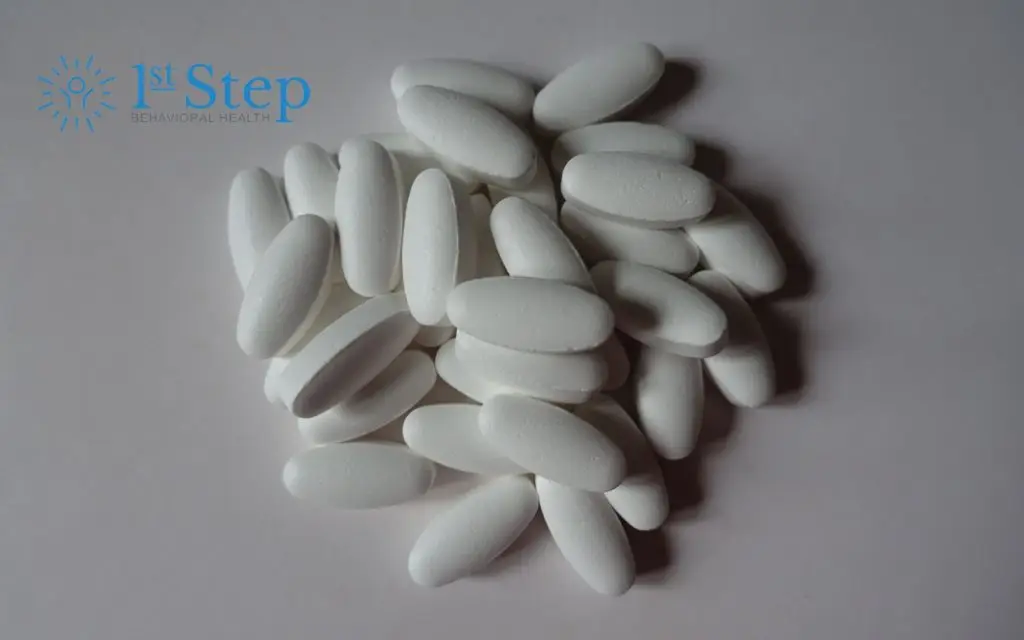
The M365 pill is a white, capsule-shaped tablet imprinted with “M365” on one side. It is a combination medication that contains two active ingredients: hydrocodone bitartrate (5 mg) and acetaminophen (325 mg).
Hydrocodone is an opioid analgesic, meaning it works on opioid receptors in the brain and spinal cord to block pain signals. Acetaminophen is a common pain reliever and fever reducer found in many over-the-counter medications, such as Tylenol. Together, they provide effective pain relief for moderate to moderately severe pain.
Why Is The M365 Pill Prescribed?
The M365 pill contains a combination of pain-relieving medications. This potent combination is effective at relieving moderate to severe pain, making it a desirable option for patients with significant pain.
Doctors often prescribe the M365 pill for:
- Severe injuries
- Dental pain
- Chronic pain conditions
- Post-surgery pain management
This prescription medication is also used for alleviating pain that doesn’t respond to non-opioid pain relievers. It is part of a class of opioid medications typically used for short periods under medical supervision.
How the M365 Pill Works in the Body
Hydrocodone targets the central nervous system (CNS). It binds to specific opioid receptors, changing how your nervous system responds to pain. This disrupts pain perception, bringing pain relief, while acetaminophen reduces inflammation and supports the body’s natural healing processes.
However, like other prescription painkillers, the M365 pill doesn’t just numb pain—it also induces feelings of calm and euphoria. These effects can lead to prescription misuse and long-term consequences.
Side Effects and Risks of the M365 Pill
The M365 pill is effective at relieving pain. Though effective in the short term, this pain reliever comes with many risks, including the potential for dangerous side effects.
Common side effects include:
- Severe drowsiness
- Dizziness
- Constipation
- Nausea
- Altered mental status
More serious side effects may involve:
- Life-threatening respiratory depression
- Slow or shallow breathing
- Serious skin reactions
- Liver damage (from excessive acetaminophen intake)
- Dangerous interactions with other substances
Taking this medication with muscle relaxants, alcohol, or illicit stimulants can lead to potentially fatal outcomes, including an opioid overdose.
If symptoms like severe drowsiness, altered physical or mental status, or difficulty breathing occur, seek immediate medical attention.
Physical Dependence and Withdrawal
A significant concern with the M365 pill is the development of physical dependence. Even when taken as prescribed, prolonged use can cause the body to adapt, requiring more of the drug to achieve the same pain-relieving effects.
Once physical dependence sets in, stopping the medication may lead to uncomfortable withdrawal symptoms.
These include:
- Muscle aches
- Sweating
- Anxiety
- Vomiting
- Insomnia
- Irritability
These opioid withdrawal symptoms occur because the body struggles to function without the drug’s impact on the nervous system.
Understanding Opioid Use Disorder
When use of the M365 pill escalates beyond pain management into cravings, misuse, or compulsive behavior, it may signal opioid use disorder (OUD). OUD is a chronic condition that affects brain chemistry, behavior, and overall health.
Factors contributing to OUD include:
- A history of substance abuse
- Lack of medical supervision
- Using the medication to cope with emotional pain
- Accessing opioids through prescription misuse or illicit drugs
Left untreated, opioid use disorder can lead to opioid related overdose deaths.
Warning Signs of Opioid Addiction
Opioid addiction is a complex condition that can have a range of serious consequences. It is critical to seek treatment as soon as you notice the signs of misuse or addiction.
Some warning signs include:
- Taking more pills than prescribed
- “Doctor shopping” to obtain multiple prescriptions
- Using the pill for its euphoric effects
- Hiding use from loved ones
- Neglecting responsibilities or relationships
Recognizing these signs early can help individuals seek help before more serious health consequences develop.
The Role of Pain Management and Therapy
Effective pain management doesn’t just rely on medication. A treatment plan should address both physical and emotional well-being. This may include:
- Physical therapy to improve function and reduce pain
- Necessary physical therapy for injury recovery
- Non opioid pain reliever alternatives
- Behavioral counseling
- Support groups
- Outpatient treatment programs
Pain should be managed in a way that supports healing—not at the cost of developing an addiction.
Safer Alternatives to the M365 Pill
While a combination of hydrocodone and acetaminophen may be commonly prescribed, it’s not always the safest long-term solution.
Other options may include:
- Other pain medications like NSAIDs (ibuprofen, naproxen)
- Over-the-counter medications
- Topical pain relievers
- Mind-body techniques like meditation or acupuncture
- Lifestyle changes that reduce stress and inflammation
Working closely with a healthcare provider can help tailor a pain management strategy that minimizes the risk of drug abuse or opioid dependence.
The Dangers of Prescription Misuse
When misused, opioid medications like the M365 pill can lead to serious medical, cognitive, and emotional effects.
Some of the dangers of prescription opioid misuse include:
- Slowed vital signs (including heartbeat and breathing)
- Poor decision-making and altered mental status
- Risk of mixing with other pain relievers and creating dangerous interactions
- Use of illicit stimulants as a substitute
- Long-term organ damage or liver damage
The rise in opioid related overdose deaths is a stark reminder of the need for education and medical supervision when using these drugs.
Getting Help for Opioid Dependence
If you or someone you love is struggling with dependence on the M365 pill or any other prescription opioid, know that help is available. Recovery often begins with a medically supervised detox to manage opioid withdrawal symptoms and stabilize the body.
Following detox, individuals may benefit from:
- Individual counseling
- Medication-assisted treatment (MAT)
- Group therapy
- Outpatient treatment for ongoing support
- Relapse prevention strategies
Recovery is possible. With the right support and treatment, people can regain control of their lives.
Supporting the Body’s Healing
Overcoming dependence allows the immune system, nervous system, and emotional health to recover. It also makes room for true healing from the injury or condition that caused the severe pain in the first place.
It is crucial to think of pain as something to be understood and treated–not just eliminated. Pain can be managed through a combination of tools—not just pills.
This may include:
- A structured treatment plan
- Holistic therapies
- Emotional support
- Gradual return to physical activity
- Continued monitoring by a healthcare provider
Taking a comprehensive approach to pain management allows people to find effective strategies that will work in the long term, rather than relying on addictive or harmful medications alone.
Find Treatment and Support Now
If you’re concerned about your own use or someone else’s, speak to a doctor, counselor, or addiction treatment professional. With the right help, recovery is possible.
Find the treatment, resources, and recovery support you need to overcome substance abuse at First Step Behavioral Health. Explore our comprehensive programs or schedule an intake appointment by contacting our team today.
Frequently Asked Questions (FAQs)
1. Is it safe to drive after taking an M365 pill?
No. The M365 pill can cause severe drowsiness, dizziness, and slowed reaction time, all of which impair driving ability. Even if you’re used to the medication, you should avoid operating vehicles or heavy machinery until you understand how it affects your physical or mental status.
2. Can you take M365 with other medications like antidepressants or sleep aids?
Combining the M365 pill with medications that depress the central nervous system—such as benzodiazepines, sleep aids, or certain antidepressants—can cause dangerous interactions, including life-threatening respiratory depression. Always consult your healthcare provider before taking any new medications alongside opioids.
3. How can I tell if someone is misusing the M365 pill?
Signs of misuse may include taking the medication more frequently than prescribed, using it to feel “high,” hiding pill usage, showing signs of withdrawal between doses, or seeking refills early. Behavioral changes, such as mood swings, secretive behavior, or declining physical appearance, may also indicate prescription misuse.
4. Is it safe to stop taking the M365 pill suddenly?
Stopping opioid medications abruptly can trigger uncomfortable withdrawal symptoms, including muscle aches, restlessness, and nausea. If you’ve been using the pill for more than a few weeks, speak to your doctor about creating a tapering schedule to gradually reduce your dosage under medical supervision.
5. Are there long-term consequences of taking the M365 pill for chronic pain?
Yes. Long-term use can lead to opioid dependence, tolerance (requiring higher doses for the same effect), and risk of liver damage due to acetaminophen. Over time, opioids may also interfere with the body’s natural healing processes and reduce the effectiveness of other pain management strategies like physical therapy.
6. What should I do if I suspect an opioid overdose?
Signs include slow or shallow breathing, bluish lips or fingertips, unconsciousness, and unresponsiveness. Call emergency services immediately. If available, administer naloxone (Narcan), an opioid overdose reversal drug, while waiting for help. Prompt action can prevent potentially fatal outcomes.
Sources
Jump to a Section
Call (855) 425-4846