
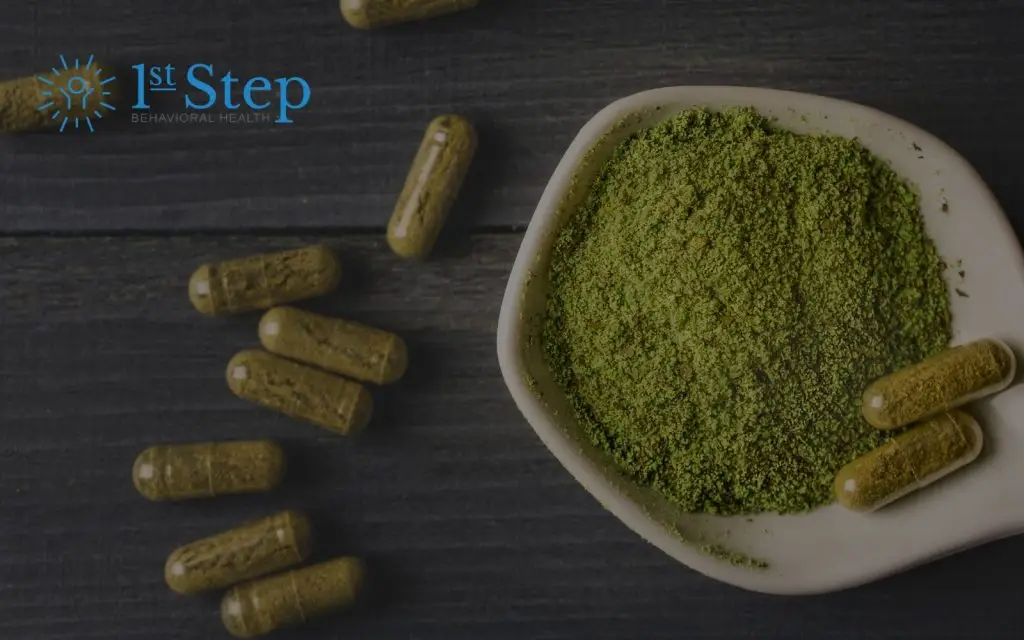
Kratom (Mitragyna speciosa) is a tropical tree native to Southeast Asia that has garnered widespread attention in recent years, particularly in the U.S., where it is sold in gas stations, smoke shops, convenience stores, and online. Traditionally used for its stimulant and analgesic properties, kratom leaves contain a variety of active compounds. Among the most potent of these is 7-hydroxymitragynine, often referred to as 7OH.
Despite its growing popularity as a dietary supplement and self-treatment for conditions like pain, anxiety, and opioid withdrawal, kratom—and especially 7OH—remains a controversial substance. Understanding what 7OH is, how it functions, and how it differs from regular kratom is essential for consumers, public health professionals, and policymakers.
What is 7OH? Understanding Kratom Products
7-hydroxymitragynine (7OH) is a naturally occurring compound found in the kratom plant, although in very small concentrations. It is considered one of the multiple alkaloids present in kratom leaves—over 40 have been identified to date.
What makes 7OH unique is its potency. While it typically comprises less than 0.05% of the kratom leaf’s alkaloid content, it is believed to be 30 to 50 times more potent than morphine by weight in its ability to bind to opioid receptors, particularly the mu-opioid receptor, which is responsible for pain relief and euphoria.[1]
This high potency explains why 7OH plays such a large role in the psychoactive effects of kratom, despite its low natural concentration. Some kratom products—especially those labeled as “high potency” or “enhanced”—may be manipulated to contain concentrated levels of 7OH, raising serious health and safety concerns.
How 7 OH Works: The Science Behind the Alkaloid
7OH is a semi-synthetic derivative of mitragynine, the most abundant alkaloid in the kratom leaf. Inside the human body, mitragynine is partially converted into 7OH, which then acts on the same opioid receptors as prescription opioids like oxycodone or heroin.
This interaction contributes to kratom’s analgesic and euphoric effects, but also carries risks similar to those associated with other drugs in the opioid class. These include:
- Respiratory depression
- Addiction
- Withdrawal symptoms
- Seizures
- Liver toxicity
Although kratom and 7OH are not opioids in the traditional sense, their opioid-like effects have led to increasing scrutiny by public health authorities and the Food and Drug Administration (FDA).
7OH vs. Regular Kratom: What’s the Difference?
The key difference between 7OH and regular kratom lies in their potency and concentration. While 7OH is a component of kratom, most kratom powders and capsules sold to consumers are made from the dried kratom leaf, which contains a complex mix of alkaloids—not just 7OH.
Here’s how they differ:
- Concentration- There is less than 0.05% of natural leaf in 7OH, while regular kratom has 100% whole leaf content.
- Potency- 7OH is 30-50x more potent than morphine, and regular kratom is a mild to moderate stimulant or sedative.
- Effect Onset- The onset of 7OH is rapid, while regular kratom is more gradual.
- Risk Profile- There is a higher risk when using 7OH due to the potency.
- Use in Products- 7OH is found in concentrated or enhanced kratom products, while regular kratom is found in raw powder, capsules, and teas.
Because of its potency, products with elevated 7OH levels are more likely to cause adverse events, especially when combined with other drugs, alcohol, or caffeine.
Health Risks and Adverse Events
A 2022 study from the Centers for Disease Control and Prevention (CDC) revealed that kratom was involved in less than 1% of all drug overdose deaths between 2016 and 2017, but in nearly 80% of those cases, other substances were also present (such as benzodiazepines or opioids).[2] However, it’s not always clear whether these cases involved standard kratom or products containing concentrated 7OH.
The FDA has raised numerous concerns about kratom’s safety. According to its 2023 advisory, kratom use has been linked to serious health problems, including:[3]
- Liver damage
- Seizures
- Addiction
- Respiratory depression
- Mood disorders like anxiety and depression
- Death (especially when combined with other substances)
Reports to the Poison Help Line involving kratom increased from 263 in 2011 to over 1,800 in 2022, highlighting growing concerns around unregulated high-concentration products.[4]
Kratom, 7OH, and Opioid Use Disorder
Because 7OH acts on opioid receptors, some consumers use kratom as a form of medical management for opioid withdrawal or opioid use disorder (OUD). While some anecdotal evidence and preliminary studies suggest kratom may help reduce withdrawal symptoms, there is not enough clinical data to consider it a safe or approved treatment.
This has led to confusion and misuse. Individuals hoping to treat opioid addiction may unknowingly consume high concentrations of 7OH, potentially swapping one dependency for another.
Moreover, the Drug Enforcement Administration (DEA) has expressed concern that kratom’s active compounds mimic the effects of controlled substances, yet are not themselves regulated under the Controlled Substances Act (CSA).
The Regulatory Landscape and Legal Status
Kratom’s legal status varies dramatically from state to state and country to country. In the U.S., it is not classified as a controlled substance at the federal level, though the FDA has not approved kratom or 7OH for any medical use. The DEA has considered scheduling it as a Schedule I substance, similar to heroin or LSD, but has not done so as of early 2026.
Several states, including Alabama, Indiana, and Vermont, have banned kratom entirely. Others have introduced regulations under the Kratom Consumer Protection Act (KCPA), which aims to ensure product labeling accuracy and limit the sale of adulterated or high-potency products.
Globally, kratom is banned or restricted in over 20 countries, including Thailand (formerly a major exporter), Australia, and several European nations.
The Role of Companies and Marketing Practices
A major driver of confusion around 7OH is the way some companies market kratom products. Phrases like “extra strength,” “enhanced,” or “high potency” often suggest that a product contains higher-than-natural levels of 7OH, though this is rarely made explicit.
These formulations are often sold in:
- Pills or capsules
- Concentrated liquid extracts
- Powders marketed for “energy” or “pain relief.”
Such marketing has contributed to misunderstanding among consumers, many of whom believe they are using natural kratom when in fact they are consuming a semi-synthetic or chemically modified product with significantly more risk.
Public Health Implications
The lack of federal oversight, coupled with growing consumer interest, poses serious public health challenges. Without proper labeling and quality controls, patients and consumers may experience:
- Unintended side effects
- Interactions with other medications
- Exacerbation of existing health conditions
Children and adolescents are particularly vulnerable, given the availability of kratom in convenience stores and smoke shops. In some cases, it is marketed alongside caffeine pills and other dietary supplements, further blurring the line between food, drugs, and medicine.
Get Connected to Help for 7OH and Kratom Abuse
7OH is a highly potent compound that occurs naturally in the kratom plant, but at very low levels. While it contributes significantly to kratom’s effects, it also carries higher risks, especially when concentrated or chemically enhanced.
In the absence of FDA-approved uses, kratom and 7OH remain unregulated substances with serious public health risks. Until more comprehensive research and regulation become available, caution is warranted, especially with high potency products that may contain concentrated levels of 7OH far exceeding what is naturally found in kratom leaves.
If you or a loved one is addicted to 7OH or kratom, it’s time to seek professional help. At 1st Step Behavioral Health, we can provide you with the tools and support you need to achieve recovery. Contact us today for more information on how we can help.
Frequently Asked Questions (FAQ)
1. Can 7OH be extracted or synthesized separately from kratom?
Yes. While 7-hydroxymitragynine (7OH) occurs naturally in kratom in very small amounts, it can also be chemically synthesized or extracted and concentrated in laboratory settings. Some manufacturers create enhanced kratom products by fortifying them with additional 7OH, leading to significantly higher potency than naturally found in kratom leaves. These products often carry increased risk for adverse effects.
2. Is 7OH detectable on standard drug tests?
Standard drug tests (such as immunoassay urine screens) do not typically test for kratom or 7OH specifically. However, more advanced testing like gas chromatography-mass spectrometry (GC-MS) can detect 7OH and other kratom alkaloids if they are being specifically screened for. Some specialized tests have been developed in forensic or clinical toxicology settings.
3. Are there any safe dosages established for 7OH or kratom use?
As of now, no officially approved or medically recognized dosage guidelines exist for either kratom or 7OH. The FDA has not approved kratom for any medical use, and clinical research is still limited. Because of this, dosage varies widely between products and users, increasing the risk of overuse, dependence, or interactions with other substances.
4. Why are enhanced kratom products considered more dangerous than raw kratom powder?
Enhanced products often contain unnaturally high concentrations of 7OH or other alkaloids, sometimes without clear labeling. These high-potency products can overstimulate opioid receptors, leading to respiratory depression, dependency, or overdose, especially in individuals with no prior tolerance. The lack of regulation in these formulations is a primary concern for toxicologists and public health officials.
5. Can 7OH interact negatively with prescription medications or other supplements?
Yes. 7OH, like other alkaloids in kratom, can interact with medications that affect the central nervous system, liver enzymes (CYP450), or blood pressure. This includes antidepressants, benzodiazepines, opioids, stimulants, and alcohol, among others. Combining kratom products with other drugs or supplements can increase toxicity, reduce medication effectiveness, or worsen side effects.
6. Is 7OH use associated with withdrawal symptoms similar to opioids?
While kratom and 7OH are not classified as opioids, they activate similar brain pathways. Regular users may experience withdrawal symptoms if they stop suddenly. These may include irritability, muscle aches, insomnia, sweating, anxiety, and mood swings. The intensity and duration of withdrawal depend on frequency, dosage, and individual physiology.
References:
- Texas Health and Human Services: Serious Illnesses Associated with 7-OH Use
- The Centers for Disease Control and Prevention (CDC): Notes from the Field: Unintentional Drug Overdose Deaths with Kratom Detected — 27 States, July 2016–December 2017
- The Food and Drug Administration (FDA): FDA and Kratom
- The National Library of Medicine (NLM): Poison control calls for kratom increased from one a month to two a day, study says
Jump to a Section
Call (855) 425-4846