
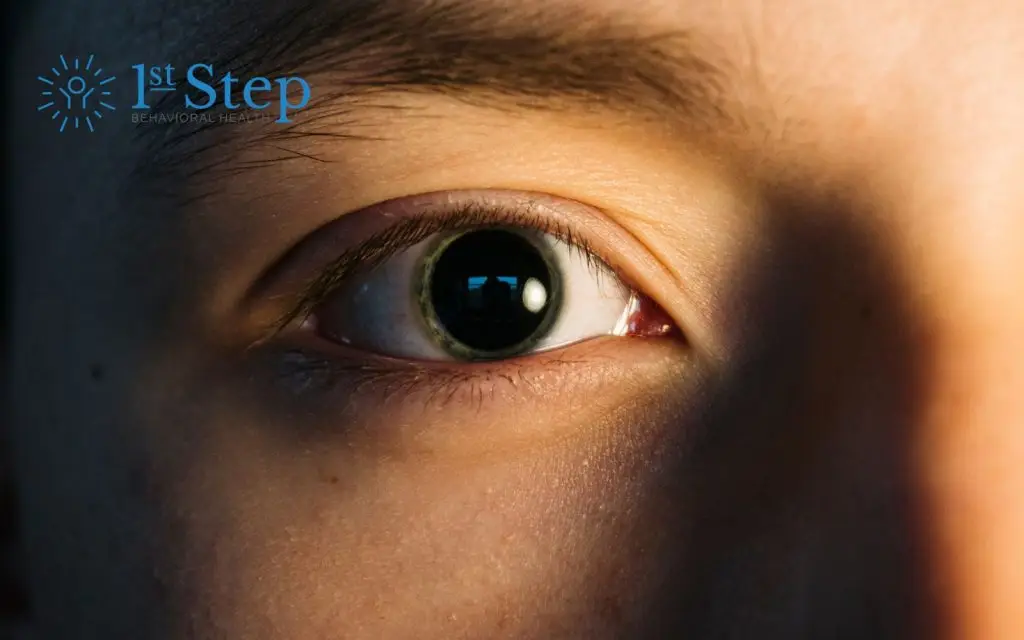
Changes in pupil size can reveal a great deal about a person’s physical and emotional state. Under normal circumstances, our pupils adjust in response to light, focusing, and emotional triggers. However, pupil dilation can also be a sign of drug use—both legal and illicit. Understanding how different drugs affect pupil size is a critical piece of early detection for substance abuse, especially when paired with other physical signs or changes in behavior.
In this article, we explore the drugs that cause pupils to dilate, why this happens, and what it may mean for individuals struggling with substance use or substance use disorder.
Understanding Pupil Dilation
Pupil dilation, also known as mydriasis, refers to the enlargement of the black center of the eye. The autonomic nervous system, which includes the sympathetic nervous system and the parasympathetic nervous system, regulates pupil responses.
The sympathetic nervous system causes the pupils to dilate in low-light situations or during emotional stress (the “fight or flight” response). The parasympathetic nervous system causes the pupils to constrict during rest or when exposed to bright light.
When drugs cause dilated pupils, it’s usually because they are stimulating or suppressing these systems in unnatural ways. This can affect blood pressure, blood flow, and neurological function, ultimately influencing how much light enters the eye.
Why Do Drugs Dilate Pupils?
Certain substances trigger significant pupil dilation by affecting the brain’s control over the eyes. These substances can hijack the central nervous system, leading to noticeable pupil dilation. In many cases, this is due to increased dopamine or norepinephrine activity—both of which are central to the brain’s reward system.
Pupil size can offer clues not just about recent drug use, but also about the type of drug consumed. For example, stimulant drugs tend to enlarge pupils, while opioids generally cause pinpoint pupils.
Drugs That Cause Pupils to Dilate
Many different drugs and medications can result in moderate pupil dilation or even prolonged dilation. Here is an overview of the drugs that may have this effect.
Stimulant Drugs
These drugs increase activity in the central nervous system, heightening alertness and energy levels. They also activate the sympathetic nervous system, which results in dilated pupils.
Examples include:
These drugs affect pupil size quickly and dramatically. Significant pupil dilation, blurry vision, and sensitivity to light are common effects.
Hallucinogens
Hallucinogenic drugs, particularly lysergic acid diethylamide (LSD) and psilocybin (magic mushrooms), alter perception and often cause enlarged pupils. They interfere with serotonin in the brain, which can affect how the eyes respond to light.
Other hallucinogens that cause noticeable pupil dilation include:
- Mescaline (peyote)
- DMT
- Ketamine
These substances often lead to visual disturbances, which go hand-in-hand with dilated pupils.
Cannabis
Marijuana can cause moderate pupil dilation, particularly in higher doses or potent strains. While not as dramatic as other illicit substances, cannabis still affects the autonomic nervous system, leading to red eyes, blurred vision, and slight changes in pupil size.
Antidepressants and SSRIs
Certain prescription medications for mental health, especially selective serotonin reuptake inhibitors (SSRIs), can cause the pupils to enlarge. These include:
- Fluoxetine (Prozac)
- Sertraline (Zoloft)
- Paroxetine (Paxil)
These drugs impact serotonin levels and, therefore, may lead to significant pupil dilation in some users.
Decongestants and Over-the-Counter Medications
Over-the-counter medications used to treat allergies or colds may contain stimulants like pseudoephedrine, which can cause moderate pupil dilation.
Anticholinergic Drugs
Used to treat conditions like overactive bladder or gastrointestinal issues, these prescription medications block acetylcholine, affecting eye muscles and sometimes resulting in enlarged pupils.
Drugs That Do Not Dilate Pupils
While some drugs dilate pupils, others cause the opposite reaction: pupils constrict. This is known as miosis, and it’s a common sign of opioid drug abuse.
Examples of drugs that cause pinpoint pupils include:
- Heroin
- Fentanyl
- Morphine
- Prescription painkillers like oxycodone and hydrocodone
Recognizing whether pupils are constricted or dilated can provide medical professionals with vital information when assessing substance misuse.
Other Factors That Affect Pupil Size
Many prescription and illicit drugs can affect the eyes, including pupil size. However, it’s important to note that factors beyond drug use can influence pupil size.
These include:
- Medical conditions like traumatic brain injury, glaucoma, or stroke
- Emotional states such as fear, stress, or excitement
- Vitamin deficiencies
- Exposure to bright light
- Certain mental health conditions
- Side effects from other prescription medications
- Aging and sleep patterns
This is why early detection of substance use disorder should always be paired with a complete evaluation by a healthcare provider.
Recognizing Pupil Dilation as a Sign of Substance Abuse
While dilated pupils can be a normal response to lighting or emotion, consistent or prolonged dilation under normal circumstances may indicate drug use or substance misuse. When combined with other physical signs—such as changes in behavior, erratic sleep, or respiratory depression—it may signal a larger problem.
Visual signs to watch for include:
- Difficulty adjusting to light
- Complaints of blurred vision
- Squinting or eye strain
- Ocular complications (dryness, redness)
- Lack of eye focus
Spotting these early can be a turning point in helping someone begin recovery.
Treatment Options and Next Steps
Whether you are worried about your own behavior or concerned for a loved one, understanding the link between pupil dilation and substance use can support early detection and a path toward healing. Don’t wait for more serious consequences. Get help as soon as you recognize the signs of substance abuse.
If you or someone you love is showing signs of substance abuse—including significant pupil dilation or pinpoint pupils—help is available at First Step Behavioral Health. Contact our treatment specialists to explore our comprehensive rehab and recovery support programs or to schedule an intake appointment.
Frequently Asked Questions (FAQ)
1. Can pupil dilation from drug use cause long-term vision problems?
In most cases, drug-induced pupil dilation is temporary and resolves as the substance leaves the body. However, repeated exposure—especially from hallucinogens or stimulants—may contribute to eye strain, light sensitivity, or blurred vision over time. Chronic drug use may also impair the optic nerve or blood vessels in the eye, potentially leading to longer-term ocular complications if left untreated.
2. Do pupils always dilate the same way for every person using the same drug?
No. Individual responses vary based on a person’s tolerance, dosage, body chemistry, and even emotional state at the time of use. Some people may experience moderate pupil dilation, while others show more significant dilation from the same substance. Other factors, like existing medical conditions or concurrent medications, can also influence how the eyes respond.
3. Can alcohol abuse cause pupil dilation?
Alcohol abuse does not typically cause pronounced dilated pupils, but it can impair the nervous system’s control of the eyes. In large amounts, alcohol may interfere with pupil reactions, leading to sluggish response to light or coordination issues in eye movement. In some cases, it can cause a mismatch in pupil size (anisocoria), especially when combined with other drugs.
4. What should I do if I notice unexplained pupil dilation in a loved one?
If enlarged pupils are noticeable without an obvious cause (like low lighting or eye drops), and especially if they’re accompanied by behavioral changes, it’s a good idea to observe for other physical signs of substance misuse. Encourage a nonjudgmental conversation and, if needed, consult a healthcare provider or addiction specialist for a professional assessment.
5. Are pupil tests reliable indicators of substance use?
While pupil responses can be helpful in identifying recent drug use, they are not definitive on their own. Medical professionals often use pupil tests in combination with other evaluations—such as blood pressure, speech, coordination, and lab tests—to assess possible substance abuse or neurological function. It’s one piece of a larger diagnostic puzzle.
Sources
Jump to a Section
Call (855) 425-4846