
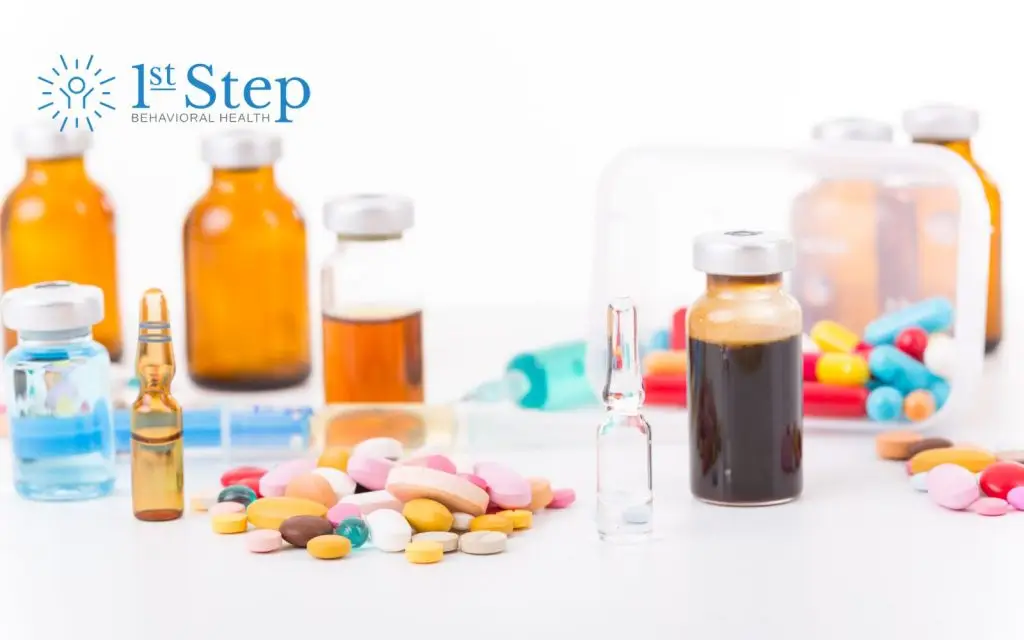
A 10-panel drug test is one of the most common forms of drug testing used today. Whether testing is done for employment purposes, medical care, legal reasons, or personal concerns, understanding how these tests work can help reduce confusion and stress.
For people struggling with substance abuse, learning about testing can feel overwhelming. You may be worried about your health, your privacy, or what a positive result means for your future. The good news is that understanding the process can make it easier to take the next step toward support and recovery.
This guide explains what a 10 panel drug test screens for, how sample collection works, what affects test results, and why testing is only one part of understanding substance abuse and recovery. If you or a loved one needs professional treatment or recovery support, find comprehensive care at First Step Behavioral Health.
What Is a 10 Panel Drug Test?
A 10-panel drug test is a type of panel drug test designed to detect multiple substances simultaneously. The term “10 panel” refers to the number of drug categories included in the screening. A panel drug screening is commonly used by employers, courts, healthcare providers, and drug treatment centers because it provides broad testing coverage while remaining cost-effective.
Most often, the testing option is a urine drug test because it is affordable, easy to administer, and provides reliable results. However, saliva tests, blood testing, and other methods may also be used depending on the situation.
What Does a 10 Panel Drug Test Screen For?
While exact testing panels can vary slightly by lab or doctor’s order, a standard 10 panel drug test often screens for commonly abused drugs and other substances.
These include:
- Marijuana
- Cocaine and cocaine metabolites
- Amphetamines
- Benzodiazepines
- Opiates, including codeine
- Methamphetamine
- Barbiturates
- Methadone
- PCP
- Propoxyphene or similar controlled substances
These substances include both illegal drugs and prescription drugs. Testing looks for drug metabolites, which are chemicals the body produces after a person takes a given substance.
The purpose is not necessarily to determine whether addiction exists. Instead, the test identifies whether recent use of certain drugs or other substances may have occurred.
Why Are 10 Panel Drug Tests Used?
Drug testing is a tool that can detect the presence of drugs and their byproducts. There are many reasons a person may take a panel drug test. Sometimes a family member requests testing out of concern for someone they love. In those situations, open communication and support matter just as much as the final result.
Common situations include:
- Employment purposes for potential employees
- Maintaining a drug-free workplace
- Court or probation requirements
- Medical evaluations
- Monitoring recovery progress
- School or athletic programs
- Family concerns involving drug abuse or prescription drug misuse
Employers often use testing to maintain workplace safety. Healthcare providers may order testing when symptoms suggest drug use or when prescription drugs could affect treatment decisions.
How Does Drug Testing Work?
Drug testing follows a structured process to help ensure accurate findings. Understanding the step-by-step process of drug testing may help you approach it with more confidence. Here is an overview of what to expect.
Step 1: Sample Collection
For most urine drug test procedures, sample collection begins with receiving a collection cup or collection container.
The person provides a urine sample in a secure location. Procedures are designed to prevent tampering and preserve accuracy.
A collector may document:
- Sample temperature
- Collection timing
- Identification information
- Chain-of-custody procedures
In some cases, blood sample collection or saliva tests may be used instead.
Step 2: Lab Processing
Once collected, the sample goes to a lab for testing.
Technicians may use:
- Test strips
- Chemical analysis
- Automated screening equipment
- Test tube processing systems
Initial screening looks for possible positive findings.
Step 3: Confirmation Testing
If an initial screen suggests a positive result, confirmation testing is often performed.
This second lab test helps reduce false positives and improves confidence in the final result.
Step 4: Review and Reporting
A medical review officer may evaluate the findings.
The medical review officer helps determine whether legal prescription drugs, medical conditions, or other factors explain the findings.
This process, sometimes called MRO communication, provides additional review before final reporting.
Detection Windows for Common Drugs
One important factor in drug screening is the detection window. Detection times vary because every person processes substances differently.
Factors affecting detection include:
- Frequency of drug use
- Body composition
- Hydration
- Metabolism
- Type of drug
- Overall health
Approximate detection windows include:
Marijuana:
- Occasional users: a few days to about one week
- Chronic users: several weeks or longer
Cocaine metabolites:
- Usually 2–4 days
Amphetamines:
- Around 1–4 days
Benzodiazepines:
- Several days to multiple weeks depending on the medication
Codeine and related opiates:
- Often 1–3 days
A person who uses substances heavily may have longer detection times than occasional users.
Can Prescription Drugs Cause Positive Results?
Millions of people take prescription medications to manage medical or mental health conditions. In some cases, prescription drugs contain substances that are identical or similar to the chemical compounds in illicit drugs.
So, can prescription drugs lead to a positive drug test?
The short answer is: yes. Many prescription drugs can influence drug test results.
Examples include:
- ADHD medications containing amphetamines
- Anti-anxiety medications in the benzodiazepines category
- Pain medications containing codeine
- Certain sleep medications
- Muscle relaxers
Prescription drug misuse is a major concern because medications that seem safe can still create dependence or substance abuse problems. If testing is ordered, always disclose prescription medications before testing begins.
Can False Positives Happen?
The drug testing process is complex and may yield inaccurate results. In short, false positives are possible.
Several factors may affect results, including:
- Certain foods
- Over-the-counter medications
- Supplements
- Lab error
- Cross-reactivity with similar compounds
For example, poppy seeds have historically raised concerns because they may affect certain opiate screenings. Because of these possibilities, confirmation testing is important. If the result is inconclusive, additional testing may be needed.
A negative result means the substances tested were not found above cutoff levels. A positive finding indicates detected substances exceeded testing thresholds. An inconclusive result means the test could not clearly determine an outcome.
Sometimes additional sample collection is required if:
- Sample quality issues occur
- The urine sample appears altered
- Testing procedures were interrupted
A healthcare provider or testing specialist will discuss the test results and outline the next steps, if necessary.
Types of Drug Tests Beyond Urine Screening
Urine testing is typically the least expensive and invasive method of drug testing. Although urine remains the most common testing option, other methods exist.
Here is a quick overview of the most common forms of drug testing.
Urine Tests
Urine tests remain the standard because they are affordable and easy to perform.
Advantages:
- Lower cost
- Good detection window
- Widely available
Saliva Tests
Saliva tests detect more recent use.
Advantages:
- Easy collection
- Less invasive
- Quick processing
Blood Testing
Blood testing uses a blood sample to identify substances currently in circulation.
Advantages:
- Strong indication of active impairment
- Useful in medical settings
At-Home Testing
An at-home test may provide convenience for families.
Options may include:
- Abuse home use test kits
- Abuse home screening products
- Test strips for fast results
However, at-home test products may not always provide the same level of accuracy as professional lab analysis.
What Happens After a Positive Test Result?
Receiving a positive test result can feel scary. However, a positive result does not define a person. It may be the first step toward getting help and moving forward into a healthier future.
A positive test result may lead to:
- Follow-up medical evaluations
- Additional testing
- Conversations with employers
- Referrals for treatment
- Monitoring programs
Many people worry that one test automatically means severe addiction. That is not always true. Still, repeated positive findings may signal larger concerns around substance abuse or prescription drug misuse.
How Long Does It Take to Get Results?
Turnaround time depends on testing complexity.
Typical timelines:
- Rapid screening: minutes to hours
- Standard lab testing: 1–3 business days
- Confirmation testing: several additional business days
The lab, testing volume, and type of panel drug analysis all influence timing.
Drug Testing and Recovery
Testing alone does not treat addiction. Drug screening can identify patterns of drug use, but recovery requires support, treatment, and ongoing care.
Drug treatment centers often combine testing with:
- Counseling
- Therapy
- Support groups
- Relapse prevention
- Mental health care
Many people dealing with substance abuse also struggle with emotional challenges, trauma, or stress.
Organizations connected to the Mental Health Services Administration and research from the National Institute continue emphasizing the connection between mental health and addiction treatment. Recovery works best when care addresses the whole person, not just the substances.
Find Addiction Treatment or Recovery Support Now
Understanding how a 10-panel drug test works can reduce fear and create opportunities for honest conversations, treatment, and healing. Whether testing involves urine, blood, saliva, or another panel-based approach, the goal should always be to help people move toward healthier lives.
If you or someone you love is worried about drug use, testing may be a starting point—but it should not be the ending point. Find comprehensive addiction assessments, treatment, recovery support programs, and resources at First Step Behavioral Health. Contact our intake specialists to explore our programs or schedule an admissions appointment.
Frequently Asked Questions About 10 Panel Drug Tests
1. Can a 10 panel drug test detect alcohol?
Most standard 10 panel drug test screenings do not routinely test for alcohol. Alcohol testing usually requires separate testing methods because alcohol leaves the body relatively quickly compared to many other substances. If alcohol screening is needed, a provider may order additional tests.
2. Are there ways to prepare for a drug test without affecting accuracy?
The best approach is to follow all instructions provided before sample collection. Provide information about prescription medications, stay hydrated without excessive water intake, and avoid altering the sample. Trying to manipulate a test can lead to invalid or rejected results.
3. Can secondhand exposure cause a positive drug test?
In most cases, casual environmental exposure is unlikely to create a positive result. However, heavy or prolonged exposure in enclosed spaces may sometimes raise concerns depending on the substance involved. Laboratories generally use cutoff levels designed to reduce accidental positives from incidental contact.
4. Will a 10 panel drug test show how much of a substance was used?
No. Most screening tests are designed to detect whether substances or drug metabolites are present above certain thresholds. They typically do not determine exact amounts used, frequency of use, or level of impairment at the time of testing.
5. What should someone do if they disagree with their drug test results?
If you believe results are incorrect, ask whether confirmation testing was completed and request information about the review process. A medical review officer may help evaluate medications, medical history, and other factors that could affect interpretation. Keeping documentation for prescriptions and supplements may also be helpful.
6. Are 10-panel drug tests different for teenagers and adults?
Testing methods are generally similar, but policies around consent, privacy, and disclosure may differ depending on age and state laws. Parents, schools, healthcare providers, and legal systems may follow different guidelines when testing minors.
Sources
Jump to a Section
Call (855) 425-4846