
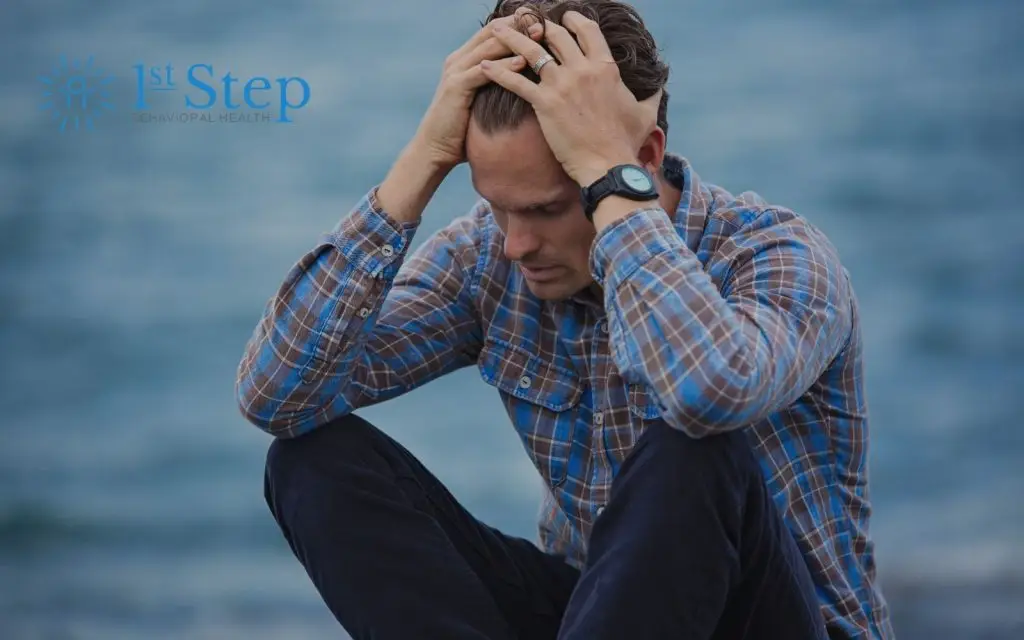
Stress is part of being human. Everyone will experience stress during difficult moments, major life changes, and stressful events. But when stress becomes constant, the body pays a price. The long-term effects of stress can affect nearly every system in the body, affecting physical health, emotional well-being, and daily functioning.
Many people feel stressed because of work demands, family responsibilities, financial concerns, relationship struggles, or difficult life experiences. When stress continues for weeks, months, or years, the body remains in a state of alert. Over time, chronic stress may increase the risk of serious health problems and worsen existing mental health conditions.
Understanding how stress affects the body can help people recognize stress symptoms earlier and take steps to manage stress before it causes lasting damage. If you or a loved one needs mental health treatment or support, find compassionate, evidence-based care at First Step Behavioral Health.
What Happens Inside the Body During Stress?
The stress response exists to keep people safe. When the brain notices a perceived threat, the body reacts quickly. This process is known as the fight-or-flight response.
During this response, the autonomic nervous system activates. The sympathetic nervous system sends signals throughout the body, while the adrenal glands release stress hormones such as cortisol and adrenaline. These hormonal signals prepare the body for action by increasing heart rate, changing blood flow, and sharpening focus.
The stress response system involves multiple parts of the body, including:
- Central nervous system
- Autonomic nervous system
- Pituitary gland
- Adrenal glands
- Blood vessels
- Digestive system
- Reproductive system
- Immune system
In short bursts, this reaction helps people survive dangerous or stressful situations. This is called acute stress. Once the danger passes, the parasympathetic nervous system typically helps return the body to balance.
Understanding the Effects of Stress on the Body
Chronic stress keeps the body’s stress response activated for extended periods. Instead of recovering after stressful situations, the nervous system continues working overtime. Problems begin when the body stays in fight-or-flight mode for too long.
Long-term exposure to elevated cortisol levels can change how organs function, alter hormone production, and increase inflammation. Over time, the effects of stress become harder to ignore.
People experiencing chronic stress may notice:
- Feeling overwhelmed
- Frequent stress symptoms
- Emotional distress
- Trouble sleeping
- Digestive problems
- Physical symptoms without clear causes
- Difficulty concentrating
- Panic attacks
- Increased irritability
- Depression or worsening mental health concerns
These symptoms are not signs of weakness. They are signals that the body is struggling to adapt.
Stress and the Cardiovascular System
One of the biggest concerns related to long-term effects of stress is cardiovascular health. When people experience stress, the body increases heart rate and raises blood pressure to deliver oxygen and energy quickly. Stress hormones also narrow blood vessels and direct blood toward muscles and essential organs.
Repeated activation of this system can contribute to:
- High blood pressure
- Ongoing elevated blood pressure
- Heart disease
- Cardiovascular disease
- Higher risk of heart attack
- Damage to blood vessels
People who experience chronic stress may also develop habits that increase cardiovascular risk, including smoking, lack of physical activity, poor sleep, or using recreational drugs to cope. Over time, the constant strain placed on the cardiovascular system can become difficult for the body to manage.
The Effects of Stress on the Nervous System
The nervous system plays a central role in body stress responses. The autonomic nerves control automatic functions such as breathing, digestion, and heart function. During chronic stress, the nervous system remains activated longer than intended.
This may cause:
- Breathing problems
- Trouble relaxing
- Muscle tension
- Increased anxiety
- Panic attacks
- Headaches
- Difficulty sleeping
When muscles tense repeatedly, pain becomes more common. Many people notice neck pain, jaw tightness, back pain, or chronic pain conditions linked to ongoing stress. Because muscles tense during stress response activation, some individuals live with pain for months without realizing stress contributes to their discomfort.
Stress and Mental Health
Mental health and physical health are deeply connected. Long-term stress can worsen symptoms of depression, anxiety disorders, trauma-related conditions, and emotional distress. People may struggle with motivation, concentration, and maintaining relationships.
Those living with mental health challenges may feel stuck in cycles where symptoms create more stress, and stress worsens symptoms.
Common emotional symptoms include:
- Feeling overwhelmed
- Constant worry
- Irritability
- Low energy
- Emotional numbness
- Difficulty enjoying activities
- Reduced sexual desire
Without support, these challenges may interfere with work, school, relationships, and overall well-being.
Digestive System Problems Caused by Long-Term Stress
Stress affects digestion more than many people realize. During the fight-or-flight response, digestion slows because the body prioritizes survival functions. Over time, this disruption can contribute to digestive problems.
Common digestive system issues linked to stress include:
- Acid reflux
- Stomach pain
- Nausea
- Appetite changes
- Weight gain
- Irritable bowel syndrome
- Bloating
- Changes in bowel habits
Some people lose their appetite during stressful events, while others turn to food for comfort. Both responses can affect long-term health. Research continues to show strong links between chronic stress and irritable bowel syndrome, especially when symptoms worsen during stressful situations.
Immune System Changes Related to Stress
The immune system depends on balance to function properly. Initially, stress hormones may temporarily increase immune activity. But over time, chronic stress often weakens immune defenses.
This may lead to:
- Frequent illness
- Slower recovery times
- Increased inflammation
- Greater vulnerability to health issues
When stress becomes chronic, the body may struggle to fight infections or recover efficiently.
Reproductive and Hormonal Effects of Stress
Stress can also disrupt the reproductive system. Because stress influences hormonal signals throughout the body, reproductive health may change in noticeable ways.
Women may experience:
- Changes in menstrual cycle timing
- Painful periods
- Worsening symptoms related to polycystic ovarian syndrome
Men may experience:
- Erectile dysfunction
- Lower sexual desire
- Reduced sperm production
These symptoms can feel frustrating or confusing, especially when people do not realize that stress responses in the body may contribute.
Why Some People Are More Vulnerable to Stress
Not everyone responds to stress the same way. People have different strengths, resources, and levels of resilience based on a wide range of biological, environmental, cultural, and other situational factors.
Factors that influence stress response include:
- Previous life experiences
- Trauma history
- Social support
- Genetics
- Existing health conditions
- Financial strain
- Family dynamics
Someone caring for a family member, dealing with grief, or facing repeated stressful events may experience stress differently than others. This does not mean one person is stronger than another. It means bodies adapt differently.
How to Manage Stress and Protect Long-Term Health
The good news is that stress management skills can improve physical and emotional health. Learning to manage stress does not eliminate problems, but it can reduce the body’s response.
Here is a quick overview of ways to successfully manage stress and protect your mental health.
Stay Physically Active
Regular physical activity supports the nervous system, improves mood, and lowers stress hormones.
Activities may include:
- Walking
- Stretching
- Strength training
- Swimming
- Tai chi
- Yoga
Movement helps release built-up tension and supports better health.
Practice Deep Breathing
Deep breathing activates the parasympathetic nervous system, helping the body shift away from fight-or-flight. Even a few minutes of focused breathing each day may reduce muscle tension and calm stress symptoms.
Stay Connected
Isolation often makes stress worse. Stay connected with supportive people whenever possible. Talking with trusted friends or a family member, or seeking emotional support, can reduce feelings of loneliness.
Create Small Daily Routines
Consistent sleep schedules, regular meals, and breaks throughout the day help regulate the stress response system. Small habits create stability during uncertain times.
Limit Unhealthy Coping Strategies
Some people cope with stress through alcohol misuse, recreational drugs, avoidance, or overworking. While these behaviors may provide short-term relief, they often increase health problems over time.
Seek Professional Support
Support from healthcare professionals, therapists, community programs, or health and human services organizations can provide tools for long-term recovery. Human services programs may also connect individuals with resources related to housing, finances, caregiving, and emotional support.
When to Seek Emergency Help for Stress
Sometimes stress becomes overwhelming. In some cases, prolonged or intense stress can lead to psychiatric emergencies. These require immediate intervention and compassionate, long-term support.
Seek emergency help immediately if stress symptoms include:
- Thoughts of self-harm
- Suicidal thoughts
- Severe panic attacks that feel unmanageable
- Chest pain or signs of a heart attack
- Inability to function safely
Reaching out for help during crisis moments is important and can save lives. If you or a loved one are exhibiting the signs of a mental health emergency, seek treatment right away.
Learn More About the Long-Term Effects of Stress
Stress is unavoidable, but living in survival mode does not have to become normal. The long-term effects of stress reach far beyond emotions. Chronic stress can affect the nervous, cardiovascular, digestive, reproductive, and immune systems, increasing the risk of serious health concerns.
If you frequently experience stress, notice physical symptoms, or feel emotionally exhausted, paying attention early matters. Small changes in stress management habits can support better mental health, improve mood, and protect overall health.
Your body works hard to keep you safe. Giving it time, care, and support can make a meaningful difference. If you or someone you love could benefit from professional mental health support, find comprehensive, compassionate care at First Step Behavioral Health. Contact our intake team to explore our programs, verify your insurance, or schedule your first appointment.
Frequently Asked Questions About the Long-Term Effects of Stress
1. How long does it take for stress to affect the body?
Stress can affect the body quickly, sometimes within minutes or hours. However, long-term changes usually develop when stress continues for weeks, months, or years. The timeline varies depending on overall health, coping skills, sleep quality, and exposure to ongoing stressful situations.
2. Can stress cause symptoms that feel like serious medical conditions?
Yes. Stress can create symptoms that closely resemble other health concerns, including chest discomfort, dizziness, shortness of breath, headaches, and stomach pain. Because stress-related symptoms can overlap with medical conditions, persistent or severe symptoms should always be evaluated by a healthcare professional.
3. Why do some people handle stress better than others?
Many factors, including genetics, childhood experiences, social support, personality traits, and previous exposure to difficult situations, influence stress tolerance. Sleep habits, nutrition, and access to emotional support can also shape how someone responds to stress over time.
4. Can children and teenagers experience long-term effects of stress?
Yes. Young people can experience ongoing stress related to school pressure, family changes, bullying, social challenges, or traumatic events. Chronic stress during childhood and adolescence may affect emotional development, learning, sleep patterns, and physical health if left unaddressed.
5. Is it possible to reverse some of the effects of chronic stress?
In many cases, yes. The body has a strong ability to recover when stress levels decrease, and healthier habits are introduced. Improving sleep, increasing social support, developing coping skills, and addressing underlying mental health concerns may help reduce many stress-related symptoms over time.
6. When should someone talk to a professional about stress?
Consider seeking professional support when stress begins to interfere with work, relationships, sleep, physical health, or daily responsibilities. Ongoing anxiety, feeling emotionally exhausted, or noticing symptoms that continue despite self-care efforts are also signs that extra support may be helpful.
Sources
Jump to a Section
Call (855) 425-4846