
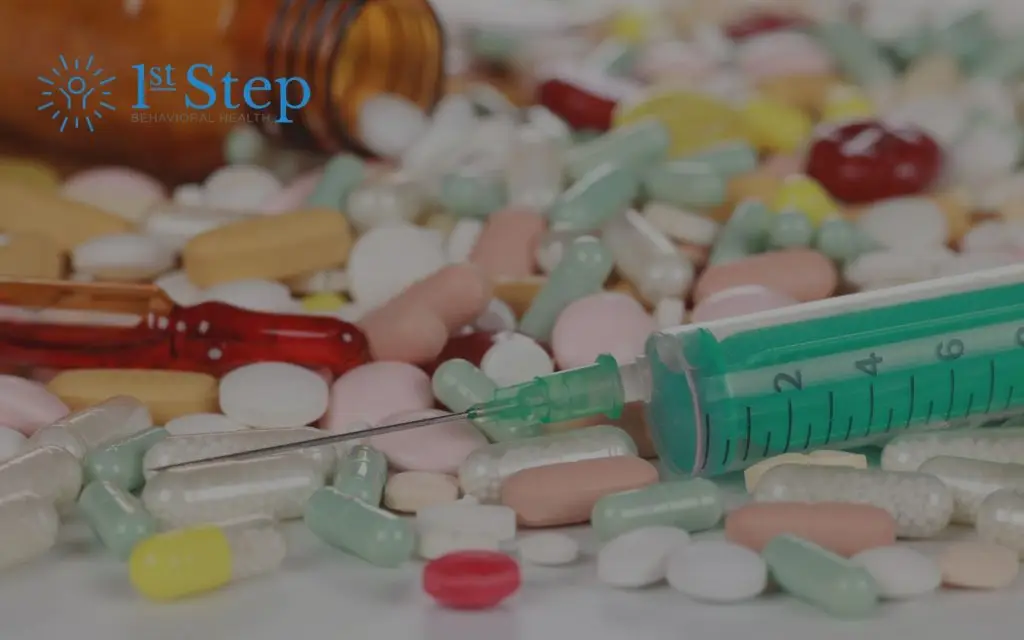
Fentanyl is a powerful opioid that has changed the landscape of drug use in recent years. Originally developed for pain management, especially for cancer patients and those with chronic pain, this medication is now widely associated with overdose risk and the rise in substance use disorder across many communities. Understanding the street names for fentanyl and the evolving drug slang around it is not just helpful—it can be life-saving.
This guide explains fentanyl street names, how the drug is typically sold, and why awareness matters for anyone concerned about drug use, whether for themselves or a loved one. Find comprehensive addiction treatment and recovery support programs at First Step Behavioral Health.
What Is Fentanyl?
Fentanyl is a synthetic opioid, meaning it is artificially manufactured rather than derived directly from plants like morphine or heroin. It is considered a powerful opioid—up to 50 times stronger than heroin and 100 times stronger than morphine.
In medical settings, fentanyl is commonly prescribed in controlled doses. It comes in various forms such as fentanyl lozenges, patches, nasal spray, and injectable liquid form. These prescription medications are used under strict supervision for severe pain, especially in cancer patients.
However, illicit fentanyl—often produced illegally—is now widely sold on the street. This illegal fentanyl is frequently mixed with other substances, making it especially dangerous.
Why Street Names for Fentanyl Matter
Street names and slang terms are used to disguise drug use. People may refer to fentanyl using code words or slang names to avoid detection by law enforcement personnel, family members, or others around them.
Knowing these fentanyl slang names can help you:
- Recognize signs of fentanyl use
- Understand conversations involving drug slang
- Identify potential risks for a loved one
- Stay aware of new slang trends among young people
Because drug slang changes quickly, staying informed is critical.
Most Common Street Names for Fentanyl
Fentanyl has many street names, and new slang continues to emerge. Some of the most common street names include:
- Apache
- China Girl
- China White
- Dance Fever
- Goodfella
- Jackpot
- Murder 8
- Tango & Cash (or “cash tnt”)
These names for fentanyl are often used interchangeably with other opioids, which can add to the confusion and danger.
Some users may simply refer to it as “fent” or use vague slang like “that stuff” or “strong dope.” These common names can make it difficult to identify when fentanyl is involved.
Fentanyl appears in various forms, and the slang used can depend on how the drug is presented or consumed.
Pill Form and Tablets
Fentanyl pills may be referred to as:
- Blues
- M30s
- Fake oxy
- Percs
These fentanyl pills are often made to look like commonly prescribed medications such as oxycodone. However, they may contain illicit fentanyl instead.
Powder Form
In its white powder form, fentanyl may be called:
- China White
- White powder
- Synthetic heroin
This form is often mixed with other substances or pressed into pills.
Liquid Form and Nasal Spray
Less commonly, fentanyl in liquid form or nasal spray may be referred to by more general drug slang rather than specific names. It may simply be described based on how it is taken, such as “spray” or “drops.”
Lozenges and Medical Forms
Fentanyl lozenges, sometimes called “lollipops,” are prescribed for pain management but can also be misused. On the street, these may be referred to casually as “pops.”
Fentanyl Mixed With Other Drugs
One of the most dangerous aspects of fentanyl is that it is often mixed with other drugs without the user’s knowledge.
Dealers may mix fentanyl with:
- Heroin
- Cocaine
- Xanax
- Other opioids like oxycodone or hydrocodone
This practice is known as fentanyl mixed with heroin or simply “mixed” drugs. It increases potency and profit but significantly raises the risk of overdose.
In some cases, people seeking other substances—like cocaine—end up consuming fentanyl unintentionally. This has contributed to many lives being lost to overdose.
Brand Names and Prescription Use
In medical settings, fentanyl is available under different brand names. These include forms designed for controlled release and safe dosing.
While these brand names are used in legitimate healthcare, illicit versions may mimic these medications. This can create confusion between legal prescription medications and illegal fentanyl.
People who begin taking fentanyl as prescribed for chronic pain may develop fentanyl addiction over time, especially if the medication is misused.
The Rise of Illicit Fentanyl
Illicit fentanyl has become widespread in recent years. It is often manufactured in other countries and then distributed through illegal channels.
Because it is cheap to produce and extremely potent, it is typically sold in small amounts. These may appear as:
- Small squares of blotter paper
- Powder
- Pressed pills
This form of illegal fentanyl is unpredictable. Even a tiny amount can be deadly.
You may hear the term “dirty fentanyl” used in conversations about fentanyl. This usually refers to fentanyl that has been mixed with unknown or harmful substances. This type of drug is especially dangerous because users cannot know what they are consuming. It may contain multiple illicit substances, increasing the risk of overdose.
How Fentanyl Is Typically Sold
Fentanyl is often sold illegally in ways that disguise its presence. It may be:
- Mixed with other opioids like heroin
- Pressed into pills resembling oxycodone or hydrocodone
- Combined with cocaine or other drugs
- Sold as a standalone powder
Because it is sold illegally, there is no quality control. This makes every use a serious risk.
Many people struggling with substance use disorder do not realize they are taking fentanyl. Others may underestimate its strength.
Awareness can help:
- Prevent accidental overdose
- Encourage safer choices
- Open conversations with a family member or loved one
- Support early intervention
Understanding fentanyl slang and street names is not about encouraging drug use—it is about staying aware.
Signs of Fentanyl Use
Recognizing fentanyl use can be difficult, especially when slang terms are used instead of clear language.
Common signs may include:
- Sudden changes in behavior
- Drowsiness or nodding off
- Confusion or slowed speech
- Withdrawal from friends and family
- Evidence of pills, powder, or drug paraphernalia
If you suspect someone is consuming fentanyl, it’s important to approach the situation with care and understanding.
Talking to a Loved One About Drug Use
If you are concerned about a loved one, knowing the language they use can help you start a conversation.
Instead of confronting them with accusations, try:
- Asking open-ended questions
- Expressing concern without judgment
- Listening more than speaking
- Offering support rather than ultimatums
Many people struggling with fentanyl addiction feel isolated. A calm, supportive conversation can make a difference.
Treatment Programs and Recovery
Fentanyl addiction is serious, but recovery is possible. Treatment programs are designed to address both the physical and emotional aspects of substance use disorder.
These programs may include:
- Medical detox
- Counseling and therapy
- Medication-assisted treatment
- Support groups
Seeking help is a strong and important step. If you or someone you know is taking fentanyl or using other substances, reaching out can save lives.
Find Addiction Treatment and Support Now
Fentanyl is a deadly substance that has taken many lives, often because people did not know what they were using. The growing list of fentanyl street names and slang terms makes it even harder to recognize.
By staying informed about street names for fentanyl, understanding how it is mixed with other drugs, and recognizing the risks, you can better protect yourself and others.
Whether you are concerned about your own drug use or that of a loved one, awareness is a powerful first step. You are not alone, and help is available at First Step Behavioral Health. Explore our comprehensive treatment programs, verify your insurance, or schedule an intake appointment by contacting our admissions team now.
Frequently Asked Questions About Fentanyl and Its Slang
1. Why do slang terms for fentanyl change so often?
Drug slang evolves quickly to avoid detection and keep up with trends. Dealers and users often create new code words to stay ahead of law enforcement or blend into everyday conversations. Social media and peer groups—especially among young people—also influence the spread of new slang, which is why staying up to date on current terms is important.
2. How can someone tell if a pill contains fentanyl?
It is extremely difficult to tell by appearance alone. Many fentanyl pills are designed to look like commonly prescribed medications, including oxycodone or hydrocodone. Without proper testing, there is no reliable way to confirm what a pill contains. This uncertainty is one reason fentanyl use carries such a high risk.
3. Is fentanyl only dangerous when used with other drugs?
No. Even on its own, fentanyl is a powerful opioid that can be deadly in very small amounts. While fentanyl mixed with other substances increases the risk, consuming fentanyl by itself—especially in illicit forms—can still lead to overdose due to its potency and unpredictability.
4. Why is fentanyl found in drugs like cocaine or Xanax?
Fentanyl may be added to other drugs to increase their strength or stretch supply for profit. In some cases, this mixing is intentional; in others, it may happen through cross-contamination during production. This means people using drugs like cocaine or Xanax may unknowingly be exposed to fentanyl.
5. What makes fentanyl addiction different from other opioids?
Fentanyl addiction can develop more quickly because of the drug’s potency. The body can become dependent in a shorter period of time compared to other opioids. Withdrawal symptoms may also feel more intense, which can make it harder for individuals to stop taking fentanyl without professional support.
6. What should you do if you suspect someone has taken fentanyl?
If you believe someone may have taken fentanyl and is experiencing symptoms like slowed breathing, unconsciousness, or difficulty waking, treat it as a medical emergency. Call emergency services immediately. Acting quickly can save a life, especially since fentanyl-related overdoses can happen rapidly.
Sources
Jump to a Section
Call (855) 425-4846