Mental health is a crucial component of overall well-being, yet millions of Americans silently struggle with conditions such as depression, anxiety, bipolar disorder, and post-traumatic stress disorder (PTSD). For individuals experiencing acute mental health symptoms or in need of structured support, short-term residential mental health treatment offers a path toward stabilization and healing—especially in specialized locations like Pompano Beach, Florida.
This article explores the benefits, structure, and importance of short-term residential treatment programs in South Florida, particularly in Pompano Beach, and how they can provide comprehensive care for those facing mental health disorders or co-occurring conditions like substance abuse.
Understanding Short-Term Residential Mental Health Treatment
Short-term residential mental health treatment is a form of inpatient care that typically lasts from several days to a few weeks. It is designed to help individuals in the initial stages of recovery who require medical supervision, intensive therapy, and a structured environment but do not need the duration or intensity of long-term inpatient programs.
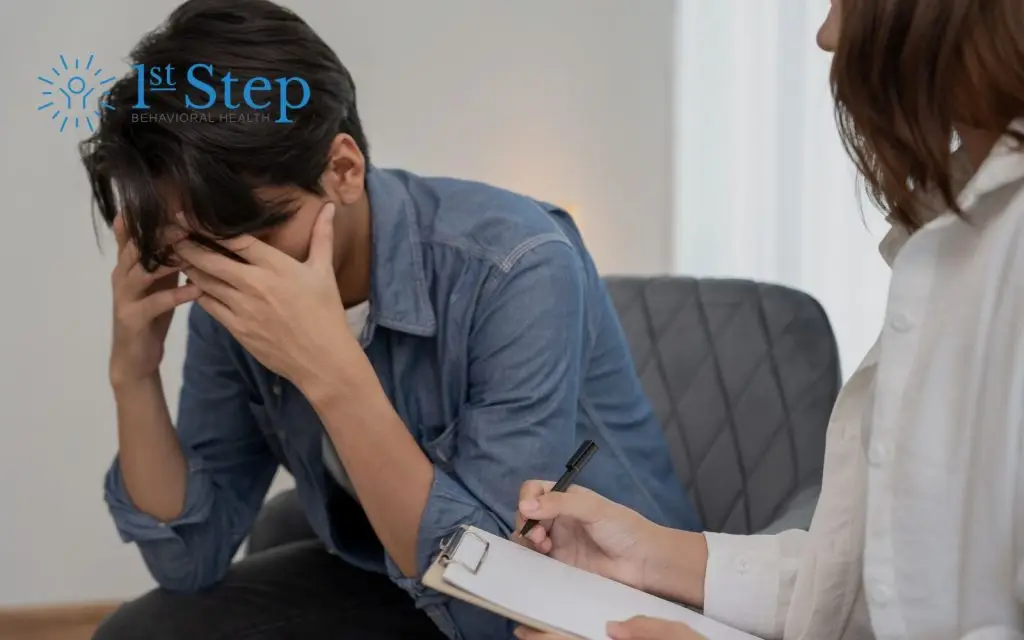
Unlike traditional outpatient care, residential treatment provides a safe environment and 24/7 access to mental health professionals. This allows for comprehensive assessments, personalized treatment plans, and immediate intervention during times of crisis.
Why Choose Pompano Beach, FL for Mental Health Treatment?
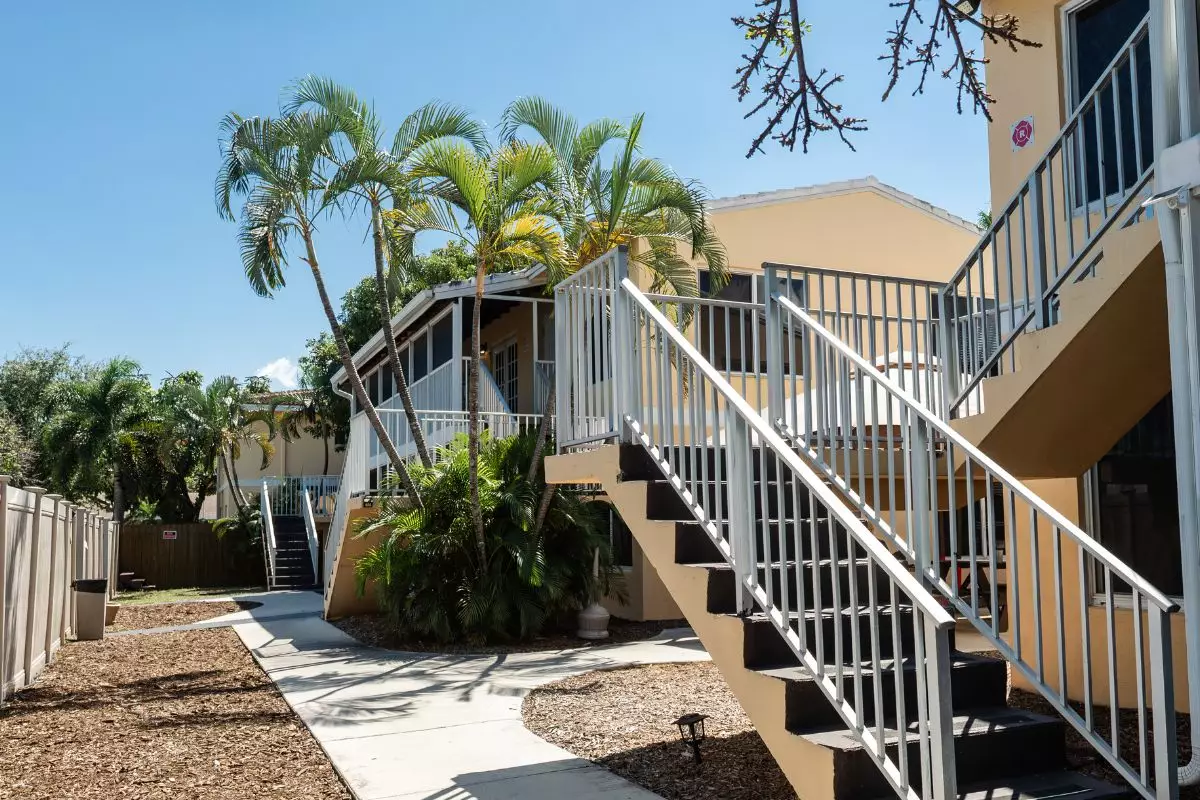
Pompano Beach, located in South Florida, is home to several reputable residential treatment centers and wellness centers that specialize in short-term inpatient treatment. The area offers a serene, oceanfront setting ideal for healing, with access to a network of treatment providers experienced in managing a wide range of mental health conditions.
Additionally, many facilities in Pompano Beach integrate evidence-based therapies, group counseling, and medication management services to address the full scope of an individual’s mental health needs.
Who Can Benefit from Short-Term Residential Treatment?
Short-term residential treatment is most appropriate for individuals who:
- Are experiencing acute mental health symptoms, including suicidal ideation, excessive worry, or depressive symptoms
- Need stabilization following a crisis or hospitalization
- Require intensive support for a dual diagnosis or co-occurring disorders (e.g., substance use with bipolar disorder)
- They are not making progress in outpatient treatment settings
- Need a supportive environment for medical detox or transition from inpatient to outpatient care
This level of care is often the first step toward long-term recovery and is crucial for individuals seeking recovery from severe mental illness or behavioral health challenges.
Key Components of Short-Term Residential Mental Health Programs
Comprehensive Assessment and Diagnosis
Upon admission, individuals undergo a comprehensive assessment conducted by a treatment team that may include psychiatrists, psychologists, nurses, and social workers. This evaluation informs the creation of an individualized treatment plan tailored to the patient’s mental health symptoms, physical needs, and recovery goals.
Medical Supervision and Medication Management
Facilities offer 24/7 medical supervision to monitor safety and provide medication management, particularly for individuals with severe psychiatric symptoms or those undergoing medical detox. Medication management services are closely monitored to ensure effectiveness and to minimize side effects.
Evidence-Based Therapies
Most centers implement evidence-based therapies such as:
- Cognitive Behavioral Therapy (CBT)
- Dialectical Behavior Therapy (DBT)
- Individual therapy
- Group therapy and group counseling
- Family therapy
These therapy options support the development of healthy coping skills, emotional regulation, and improved interpersonal relationships.
Supportive, Structured Environment
A residential treatment facility provides a structured environment that reduces stressors from daily life and allows individuals to focus solely on recovery. The environment is designed to promote mental wellness and minimize higher-risk behaviors associated with unmanaged mental illness.
Life Skills and Relapse Prevention
Programs also offer life skills training, including time management, communication, and self-care strategies. This helps clients transition smoothly to outpatient treatment or intensive outpatient programs following discharge.
Dual Diagnosis and Co-Occurring Disorders Treatment
Many individuals face overlapping issues of mental illness and substance abuse, known as co-occurring disorders. According to the Substance Abuse and Mental Health Services Administration (SAMHSA), “approximately 21.2 million adults had a co-occurring mental illness and substance use disorder.”[1] Treating both conditions simultaneously through integrated treatment significantly improves outcomes.
Dual diagnosis treatment at Pompano Beach facilities typically includes detox, psychiatric care, addiction treatment, and therapeutic interventions tailored to both disorders.
Mental Health Conditions Commonly Treated
Short-term residential programs in Pompano Beach are equipped to treat a wide range of mental health disorders, including:
- Major Depressive Disorder
- Generalized Anxiety Disorder
- Bipolar Disorder
- Post-Traumatic Stress Disorder (PTSD)
- Obsessive-Compulsive Disorder (OCD)
- Schizoaffective Disorder
- Borderline Personality Disorder
These conditions often present with physical symptoms such as fatigue, insomnia, changes in appetite, and concentration difficulties, making integrated treatment essential.
The Importance of Personalized and Compassionate Care
Effective mental health care is not one-size-fits-all. Each person’s recovery journey is unique. That’s why individualized care and personalized care are foundational principles of short-term residential treatment in Pompano Beach.
Facilities strive to create an atmosphere of compassionate care where clients feel supported, heard, and respected. The goal is to empower individuals to move from crisis to stability and continue with support in the form of therapy, peer groups, or outpatient care.
Transitioning to Continued Care
Discharge planning is a critical aspect of short-term treatment. Before leaving the facility, clients work with their treatment providers to establish a continued support plan that may include:
- Intensive outpatient programs (IOP)
- Regular sessions with a therapist or psychiatrist
- Participation in community wellness centers
- Enrollment in support groups
This continuity of care helps individuals maintain progress, reduce relapse, and meet their recovery goals over the long term.
Statistics: The Growing Need for Residential Treatment
Knowing the statistics of mental health in America and Florida can help you understand the need for short-term residential treatment programs in Pompano Beach. Some helpful stats include:[2,3]
- According to the National Alliance on Mental Illness (NAMI), 1 in 5 U.S. adults experiences mental illness each year.
- 1 in 20 adults live with serious mental health conditions such as schizophrenia or bipolar disorder.
- In Florida alone, over 700,000 adults are living with a serious mental health condition
- Shortages of mental health professionals and delays in care contribute to worsening outcomes—making access to effective mental health treatment centers even more critical.
Choosing the Right Facility in Pompano Beach
When selecting a residential treatment center in Pompano Beach, consider the following:
- Is the facility licensed and accredited?
- Does the center offer dual diagnosis treatment?
- Are therapies evidence-based and customized?
- Is there a focus on individualized care and safety?
- Does the staff include licensed clinicians, therapists, and medical professionals?
By asking the right questions and exploring treatment options, individuals and their family members can make informed decisions that lead to better outcomes.
Get Connected to a Short-Term Mental Health Treatment Center in Pompano
Short-term residential mental health treatment in Pompano Beach, FL, offers a powerful opportunity for stabilization, recovery, and hope. Whether you or a loved one is navigating a mental health crisis or seeking structured support, these programs provide the critical foundation needed to begin the healing process.
From comprehensive care and medication management to skill-building and relapse prevention, residential treatment in Pompano Beach is designed to meet the diverse mental health needs of individuals striving for mental wellness.
If you’re exploring treatment options, consider reaching out to 1st Step Behavioral Health to begin your path toward lasting recovery and improved quality of life.
Frequently Asked Questions (FAQ)
1. How do I know if I need short-term residential treatment or outpatient care?
If your mental health symptoms are significantly interfering with your ability to function in daily life—such as maintaining relationships, work, or personal safety—you may benefit from a more structured level of care. Residential treatment is appropriate when outpatient therapy is not sufficient to manage symptoms, especially if you require close monitoring, medical stabilization, or round-the-clock support. A clinical assessment by a licensed professional can help determine the right level of care.
2. Is short-term residential treatment covered by insurance?
Many insurance providers do cover short-term residential mental health treatment, but coverage varies based on the specific plan and provider. Some may require preauthorization or documentation of medical necessity. It’s important to contact both the treatment center and your insurance company to confirm what services are covered, what out-of-pocket costs to expect, and whether the facility is in-network.
3. What should I bring with me to a short-term residential program?
Most facilities provide a list of recommended items and prohibited belongings. Typically, you should bring comfortable clothing, personal hygiene items, and any current prescription medications in their original containers. Electronic devices may be restricted or limited. Journals, books, and basic comfort items are often encouraged, while valuables or substances are not permitted.
4. Can family members be involved in the treatment process?
Yes, many residential treatment centers encourage family involvement as part of the recovery process. This may include family therapy sessions, psychoeducation programs, or participation in discharge planning. Family support is often a key factor in sustaining recovery and improving long-term outcomes, especially for those with chronic or recurring mental health issues.
5. What happens if someone experiences a relapse after completing short-term treatment?
Relapse or symptom recurrence can happen, particularly with chronic mental health conditions or co-occurring disorders. Most treatment centers offer aftercare planning that includes referrals to outpatient therapy, support groups, or intensive outpatient programs (IOPs). In the event of a relapse, returning to residential care or stepping into a higher level of support is a valid and often necessary step in the ongoing recovery journey.
6. How is privacy protected in residential mental health facilities?
Treatment centers are legally required to follow HIPAA regulations and protect client confidentiality. Personal health information, therapy records, and progress updates are shared only with authorized individuals. Clients can usually control who is informed about their treatment, including employers or family members, unless there’s a risk of harm that necessitates intervention.
References:
- The Substance Abuse and Mental Health Services Administration (SAMHSA): Co-Occurring Disorders and Other Health Conditions
- The National Alliance on Mental Illness (NAMI): Mental Health by the Numbers
- The National Alliance on Mental Illness (NAMI): Mental Health in Florida
Jump to a Section
Call (855) 425-4846