
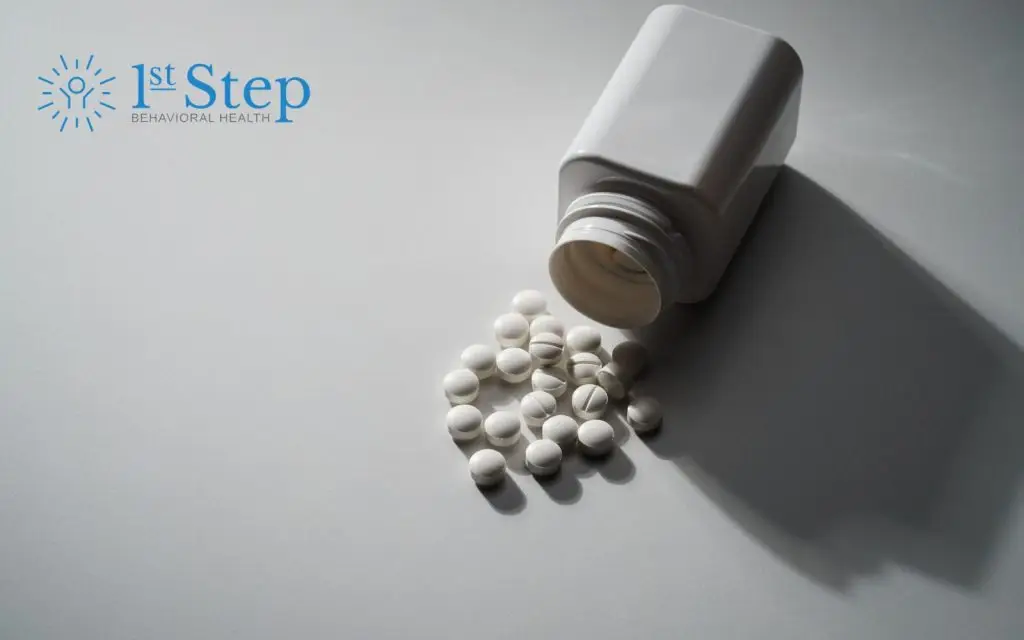
If you found a round white pill marked 512, it is important to know exactly what it is before taking it. Many pills look alike, and taking the wrong medication can be dangerous. A pill with the imprint 512 is commonly identified as a combination prescription pain medicine containing acetaminophen 325 mg and oxycodone 5 mg.
This medication is often prescribed for moderate to moderately severe pain. It may be given after surgery, after an injury, or for other painful conditions when over-the-counter medicine is not strong enough. While it can help with pain relief, it also comes with serious risks. Because it contains oxycodone, an opioid, it has the potential to cause misuse, physical dependence, addiction, and overdose. And since it also contains acetaminophen, taking too much can damage the liver.
A person may start by taking the drug exactly as directed. Over time, they may begin taking more than prescribed, taking it more often, or continuing to use it after the original reason for the prescription is gone. That is how a pain medication can turn into a much larger health problem.
How to Identify a Round White 512 Pill
The first step in pill safety is proper identification. A round white 512 pill is usually recognized by its appearance, which includes its color, shape, and printed imprint. These details matter because many prescription and nonprescription medications may look similar at a glance.
This pill is generally described as:
- White in color
- Round in shape
- Marked with the imprint “512”
- Containing oxycodone 5 mg and acetaminophen 325 mg
Even with this information, it is never a good idea to rely only on appearance if there is any doubt. Pills can sometimes be damaged, faded, broken, or confused with other medications. In some cases, counterfeit pills are also made to look like real prescription drugs. That means a pill that appears to be a real oxycodone combination tablet may not actually contain the ingredients a person expects.
This is one reason why people should never take a pill that was not prescribed to them or that was found loose in a drawer, purse, car, or medicine cabinet. If a person is unsure about a pill, the safest step is to have it identified by a pharmacist, doctor, or poison control resource rather than guessing.
Correct identification is especially important with opioids. A mistake can lead to dangerous side effects, accidental overdose, or harmful drug interactions. For families, seeing a round white 512 pill in someone’s room, car, or belongings may also be an early sign that a prescription opioid is being used, whether medically or non-medically.
What Is in the 512 Pill?
The round white 512 pill contains two active ingredients. These ingredients work in different ways, but together they are meant to provide stronger pain relief than either medicine may offer on its own.
Oxycodone 5 mg
Oxycodone is an opioid pain medicine. It changes how the brain and nervous system respond to pain. This can make a person feel significant relief, especially when pain is severe enough that simpler medications are not helping.
However, oxycodone does more than reduce pain. It can also create a feeling of relaxation, calm, or even euphoria in some people. These effects are one reason opioids are often misused. Over time, the brain can begin to crave those feelings, which can increase the risk of repeated use and addiction.
Oxycodone may also cause side effects such as:
- Sleepiness
- Dizziness
- Nausea
- Constipation
- Slowed breathing
- Mental clouding
The most serious risk is respiratory depression, which means breathing becomes dangerously slow or shallow. This is a major reason opioid overdose can be fatal.
Acetaminophen 325 mg
Acetaminophen is a pain reliever and fever reducer found in many common medications. It is widely used and can be safe when taken correctly. In this pill, it is included to support pain control and improve the overall effect of the oxycodone.
Because acetaminophen is common, many people do not realize how easy it is to take too much. Someone may take the round white 512 pill and then also use other cold medicine, headache medicine, or extra pain relievers that contain acetaminophen. This can quickly push the total daily amount too high.
Too much acetaminophen can lead to serious liver damage, especially when combined with alcohol or when taken in high amounts over time. In severe cases, liver failure can occur.
This combination of oxycodone and acetaminophen means the pill carries two different sets of dangers: opioid-related risks and liver-related risks.
What Is the Round White 512 Pill Used For?
Doctors prescribe this medication to treat pain that is stronger than what many nonprescription pain relievers can manage. It is often used when pain is expected to interfere with normal activity, sleep, or recovery.
A healthcare provider may prescribe it for situations such as:
- Pain after surgery
- Dental pain after procedures
- Injuries such as fractures or sprains
- Back pain
- Joint pain
- Short-term pain from medical conditions
In some cases, it may also be used for longer-lasting pain, although this is often approached with caution because of the risks that come with opioid use.
The reason this pill is prescribed is simple: it can be effective. For some patients, it provides meaningful relief that helps them rest, move, and recover. But the same qualities that make it useful for pain also make it risky.
Because it acts on the brain’s pain and reward systems, the medication can become habit-forming even when the original use was legitimate. This is why many doctors now try to use opioids for the shortest time possible and at the lowest effective dose.
Why the 512 Pill (Oxycodone/Acetaminophen) Can Be Dangerous
A round white 512 pill may be prescribed by a doctor, but that does not mean it is harmless. Prescription opioids are still powerful drugs. When misused, or sometimes even when taken exactly as prescribed, they can lead to serious health problems.
One major danger is that oxycodone can slow the central nervous system. This may cause drowsiness, slowed thinking, and poor coordination. A person may be at greater risk of falling, driving unsafely, or making poor decisions while using it. For older adults, these risks can be even higher.
Another serious risk is misuse. Misuse does not always mean a person is trying to get high. It can also mean:
- Taking an extra pill because pain feels worse
- Taking doses closer together than directed
- Using someone else’s prescription
- Saving pills and using them later without medical guidance
- Taking the medication for stress or sleep instead of pain
These behaviors may seem small at first, but they can quickly become dangerous.
There is also the risk of overdose, which can happen when too much oxycodone is taken or when it is combined with other substances that also slow breathing. This includes alcohol, benzodiazepines, sleeping pills, and other opioids. Even one unsafe combination can be life-threatening.
At the same time, the acetaminophen in the pill creates a separate danger. If someone takes higher and higher amounts of the medication, they are not only increasing their opioid exposure. They are also increasing the amount of acetaminophen in their body. That means liver injury can happen alongside opioid addiction.
Signs Someone May Be Misusing the 512 Pill
Prescription opioid misuse often develops gradually. It may not be obvious at first. A person may still appear functional, go to work, or explain away changes in behavior as stress, pain, or fatigue. That is why it is helpful to know what warning signs to look for.
Some signs are physical. Others are emotional or behavioral.
Common warning signs may include:
- Taking more pills than prescribed
- Finishing prescriptions too early
- Frequently talking about needing more pain medication
- Visiting more than one doctor to get prescriptions
- Borrowing pills from other people
- Becoming very sleepy or “nodding off”
- Pinpoint pupils
- Mood swings or unusual irritability
- Loss of interest in usual responsibilities
- Isolation from family or friends
- Hiding medication use
- Crushing, chewing, or snorting pills
When opioid misuse continues, it can move into opioid use disorder, which is a medical condition involving compulsive opioid use despite harm. At that stage, professional treatment is often needed.
Treatment for Oxycodone Addiction
When someone is misusing the round white 512 pill, treatment can help them stop safely and begin recovery. Effective care usually does not focus only on stopping drug use for a few days. It also addresses cravings, mental health, relapse risk, and the reasons the person kept returning to opioids.
Medical Detox
Detox is often the first step. During detox, medical professionals monitor symptoms and help the person get through early withdrawal as safely and comfortably as possible. This can be especially helpful for people who have been taking opioids heavily, mixing them with other substances, or trying and failing to quit on their own.
Inpatient and Residential Rehab
Some people benefit from a structured environment where they can focus fully on treatment. Inpatient or residential rehab removes the person from daily triggers and gives them access to therapy, support, and clinical care throughout the day.
This setting may be a good fit for people who:
- Have a long history of opioid misuse
- Have relapsed before
- Use multiple substances
- Have an unstable home environment
- Need a high level of support
Outpatient Treatment
Others may do well in outpatient care, where they live at home but attend treatment during the week. This can work for people with a stable living situation and strong motivation for recovery.
Medication-Assisted Treatment
Medication-assisted treatment can be very effective for opioid addiction. Medicines such as buprenorphine, methadone, and naltrexone can reduce cravings, lower relapse risk, and support long-term stability. For many people, this is one of the most important tools in recovery.
Therapy and Counseling
Therapy helps people understand their patterns of use and build healthier coping skills. It may focus on trauma, anxiety, depression, grief, stress, family conflict, or other issues that can fuel substance use.
A strong oxycodone addiction treatment program often includes:
- Individual counseling
- Group therapy
- Family therapy
- Relapse prevention planning
- Mental health support
- Aftercare planning
Recovery is not just about stopping a drug. It is about building a life where the person no longer needs to depend on it.
If you or someone you love is struggling with oxycodone misuse, professional treatment can help. First Step Behavioral Health can provide medical care, therapy, support, and a path toward long-term recovery. Opioid addiction is serious, but it is treatable, and recovery is possible with the right help.
Frequently Asked Questions
Is the round white 512 pill the same as Percocet?
The round white pill marked 512 is a generic version of Percocet. It contains the same active ingredients: oxycodone 5 mg and acetaminophen 325 mg. Generic medications work the same way as brand-name versions but are typically sold under different manufacturers.
Is the 512 pill a strong opioid?
The pill contains oxycodone, which is a powerful opioid pain medication. While the dose in this tablet is considered a lower prescription strength, it can still cause addiction, dependence, and overdose, especially if it is misused or taken with other substances like alcohol or sedatives.
How long does the 512 pill stay in your system?
Oxycodone from this medication can generally stay in the body for about 1 to 2 days, although traces may be detectable longer depending on the type of drug test used. Factors such as metabolism, dosage, frequency of use, and overall health can affect how long it remains in the body.
Can you become addicted to the round white 512 pill?
Yes. Because it contains oxycodone, this medication has a high potential for addiction. Even when taken as prescribed, some people can develop tolerance, physical dependence, or opioid use disorder over time.
What should you do if someone is misusing this medication?
If someone is taking the pill in ways other than prescribed—such as taking higher doses, using it without a prescription, or mixing it with other drugs—it may be time to seek professional addiction treatment. A drug rehab center can provide medical detox, therapy, and support to help individuals safely recover from opioid misuse.
References:
- U.S. Drug Enforcement Administration (DEA): Oxycodone
- Science Direct: Oxycodone
- JAMA Network: Effectiveness of Oxycodone Hydrochloride (Strong Opioid) vs Combination Acetaminophen and Codeine (Mild Opioid) for Subacute Pain After Fractures Managed Surgically
- Wiley Online Library: Comparative Analgesic Efficacy of Oxycodone/Acetaminophen Versus Hydrocodone/Acetaminophen for Short-term Pain Management in Adults Following ED Discharge
Jump to a Section
Call (855) 425-4846