
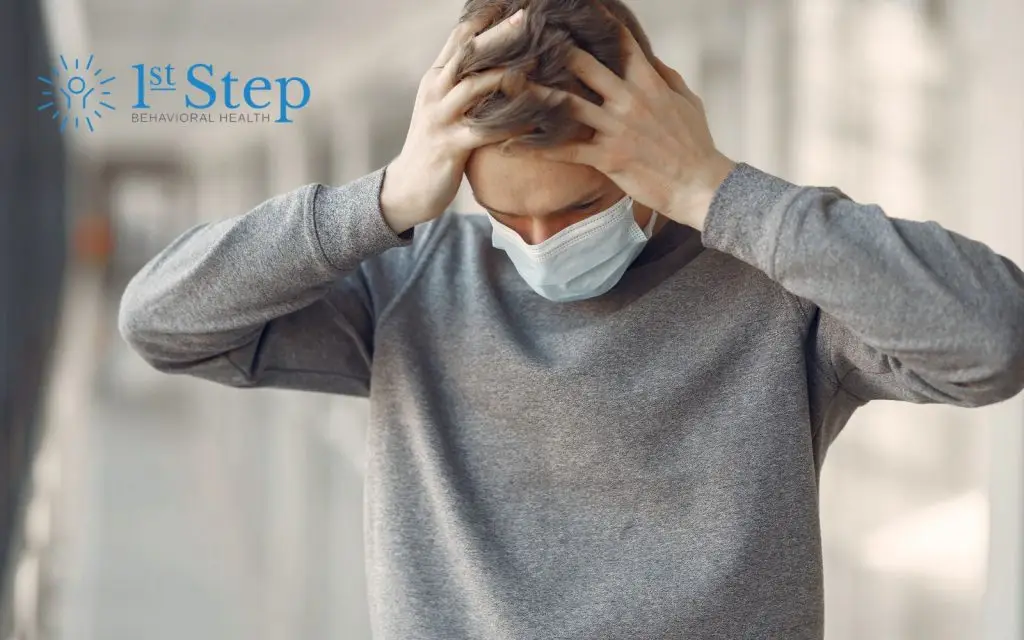
College can be one of the most rewarding periods of a person’s life, but it can also bring significant mental health challenges. Between academic pressure, financial concerns, social expectations, and major life transitions, many students experience anxiety, depression, emotional distress, or substance use that affects their daily functioning and academic success. Knowing where to find reliable mental health resources for college students in Pompano Beach can make a meaningful difference in both recovery and long-term well-being.
Whether you’re attending Broward College, another school in South Florida, or living in the immediate area, understanding your mental health treatment options is an important first step. From free student counseling services on campus to comprehensive mental health treatment through 1st Step Behavioral Health, students have access to professional help designed to address a wide range of mental health conditions and substance use disorders.
Why College Students Are Facing More Mental Health Challenges Than Ever
Mental health issues among college students continue to increase across the United States. According to the American Psychological Association, “During the 2020–2021 school year, more than 60% of college students met the criteria for at least one mental health problem.”[1] Anxiety, depression, loneliness, and overwhelming stress remain among the most common concerns affecting students today.
According to the National Institute of Mental Health (NIMH), young adults aged 18-25 years had the highest prevalence of mental illness at 36.2%.[2]
These statistics demonstrate why access to quality mental health care has become an essential part of supporting academic success and overall wellness.
Common mental health disorders affecting college students include:
- Anxiety disorders
- Depression
- Bipolar disorder
- Trauma-related disorders
- Eating disorders
- Substance use disorder
- Co-occurring mental health conditions and substance abuse
- Stress-related mental health crises
Without appropriate treatment, these conditions can interfere with education, relationships, employment, and overall quality of life.
Common Signs a Student May Need Mental Health Support
Every student’s experience is different, but certain warning signs suggest it may be time to seek counseling or mental health treatment.
The signs that you need mental health treatment include:
- Feeling overwhelmed by coursework or responsibilities
- Difficulty concentrating or declining grades
- Persistent anxiety or panic attacks
- Ongoing sadness or depression
- Changes in sleep or appetite
- Withdrawal from friends and family
- Increased alcohol or substance use
- Trouble managing emotions
- Thoughts of hopelessness
- Suicidal thoughts
- Difficulty maintaining daily functioning
Seeking professional help early often prevents symptoms from worsening and allows students to build practical skills that support long-term recovery.
Mental Health Resources for College Students in Pompano Beach
Students living in Pompano Beach and throughout Broward County have several mental health support services available depending on their needs.
Free Student Counseling Through Colleges
Many colleges, including Broward College, provide free student counseling as part of student health support services.
Campus counseling typically includes:
- Short-term therapy
- Crisis intervention
- Stress management support
- Academic counseling referrals
- Wellness education
- Support groups
While these programs provide valuable assistance, they may have session limits or be best suited for mild to moderate mental health concerns. Students experiencing more serious mental illness, substance abuse, or ongoing mental health conditions often benefit from more comprehensive care.
Community Mental Health Services
Throughout Broward County, students may also find behavioral health services through community organizations and public programs supported by the Florida Department of Children and Families. These programs can include crisis stabilization, outpatient counseling, and referrals to additional treatment resources.
Students should also contact their health insurance provider to determine available behavioral health benefits. Many insurance providers cover outpatient therapy, psychiatric care, medication management, and specialized treatment programs.
When Professional Treatment Becomes Necessary
Some mental health issues require more than weekly counseling appointments.
Professional treatment may be appropriate if a student:
- Cannot attend classes consistently
- Experiences recurring mental health crises
- Has symptoms affecting relationships or work
- Is struggling with substance use
- Has been diagnosed with bipolar disorder or another serious mental health condition
- Needs integrated care for both mental health and substance abuse
- Requires ongoing clinical support
A professional evaluation helps determine the most appropriate treatment program based on individual mental health needs.
Comprehensive Mental Health Treatment at 1st Step Behavioral Health
For college students needing a higher level of care, 1st Step Behavioral Health provides comprehensive mental health treatment designed to address both mental health disorders and substance use disorders.
Rather than offering one-size-fits-all care, treatment plans are personalized to each individual’s symptoms, diagnosis, recovery goals, and academic responsibilities.
Services may include:
- Individual and group therapy
- Psychiatric evaluation
- Medication management
- Therapy CBT approaches
- Dialectical behavior therapy (DBT)
- Dual diagnosis treatment
- Family involvement when appropriate
- Relapse prevention education
- Ongoing recovery planning
This evidence based approach focuses on helping students regain stability while building healthy coping strategies for long-term success.
Evidence-Based Therapy Approaches
Modern mental health treatment relies on evidence based therapies that have demonstrated effectiveness through extensive clinical research.
Cognitive Behavioral Therapy (CBT)
Cognitive behavioral therapy helps students identify unhealthy thought patterns and replace them with healthier ways of thinking.
CBT is commonly used to treat:
- Anxiety
- Depression
- Panic attacks
- Stress management difficulties
- Obsessive thoughts
Students also learn practical skills that improve emotional regulation and help handle stress during demanding academic periods.
Dialectical Behavior Therapy (DBT)
Dialectical behavior therapy is especially effective for individuals experiencing intense emotions, impulsive behaviors, or difficulty maintaining healthy relationships.
DBT teaches:
- Emotional regulation
- Mindfulness
- Distress tolerance
- Healthy communication
- Crisis management
These practical skills often benefit college students navigating both academic pressure and personal life transitions.
Individual and Group Therapy
Many students benefit from combining individual and group therapy.
Individual therapy offers personalized care focused on specific mental health issues, while group therapy creates a safe space where students learn from others facing similar challenges.
Group therapy can also improve:
- Social well-being
- Communication skills
- Confidence
- Emotional resilience
- Peer support
Specialized Programs for Higher Levels of Care
Some students need more structured treatment while continuing to live at home.
Intensive Outpatient Programs
Intensive outpatient programs (IOPs) provide several therapy sessions each week while allowing students to continue school or work when appropriate.
These programs often include:
- Individual counseling
- Group therapy
- Family therapy
- Medication management
- Recovery education
- Clinical support
Many students appreciate the flexibility IOPs provide while still receiving consistent treatment.
Partial Hospitalization Programs
Partial hospitalization programs (PHPs) offer a more intensive level of care without requiring overnight hospitalization.
Students participate in structured treatment during the day before returning home in the evening.
PHPs may benefit individuals experiencing:
- Severe depression
- Anxiety disorders
- Bipolar disorder
- Mental health crises
- Co-occurring substance use disorder
Addressing Dual Diagnosis
Mental health disorders and substance abuse frequently occur together.
According to the Substance Abuse and Mental Health Services Administration (SAMHSA), 21.2 million people suffer from co-occurring mental health and addiction.[3] Treating only one condition often results in poorer outcomes.
Dual diagnosis treatment addresses both mental health and substance use simultaneously through integrated care.
Treatment may include:
- Psychiatric care
- Addiction counseling
- Individual therapy
- Group therapy
- Medication management
- Relapse prevention
- Recovery planning
Integrated care helps address underlying issues while improving overall treatment outcomes.
Managing College Stress in Healthy Ways
Professional treatment is only one part of maintaining good mental health.
Students can also improve wellness by:
- Maintaining consistent sleep routines
- Exercising regularly
- Eating balanced meals
- Setting realistic academic expectations
- Taking breaks from studying
- Practicing mindfulness
- Staying connected with supportive friends
- Limiting alcohol and substance use
- Asking professors for accommodations when needed
- Seeking counseling before problems become overwhelming
These habits support both physical health and mental well-being throughout college.
What to Do During a Mental Health Crisis
Some situations require immediate intervention.
If someone is experiencing suicidal thoughts, severe emotional distress, or is unable to maintain personal safety, emergency help should be sought immediately.
Students having a mental health crisis should:
- Contact 911 if there is immediate danger.
- Call or text 988, the Suicide & Crisis Lifeline, to connect with a highly trained crisis counselor available 24 hours a day.
- Visit the nearest emergency department.
- Contact campus emergency services if available.
- Reach out to trusted family members or friends.
Prompt intervention can save lives and connect individuals with appropriate mental health support.
Paying for Mental Health Treatment
Many students worry about treatment costs, but several payment options may be available.
Depending on the treatment program, coverage may include:
- Private health insurance
- Employer-sponsored insurance
- Family insurance plans
- Medicaid eligibility for qualifying individuals
Many insurance providers cover medically necessary behavioral health treatment, including outpatient therapy, intensive outpatient programs, partial hospitalization programs, psychiatric services, and dual diagnosis treatment. A provider can verify benefits before treatment begins so students understand their coverage and any out-of-pocket costs.
Finding the Right Mental Health Support Near Pompano Beach
Whether you’re studying at Broward College, another college in Broward County, commuting from Boca Raton, Fort Lauderdale, Palm Beach County, the Palm Beaches, or elsewhere in South Florida, getting help early can improve both mental health and academic performance.
The right level of care depends on each person’s symptoms, diagnosis, and recovery goals. While campus counseling is an excellent starting point for many students, others may require more specialized programs that provide comprehensive mental health treatment and integrated care.
At 1st Step Behavioral Health, students receive personalized care through evidence-based treatment designed to address anxiety, depression, bipolar disorder, substance abuse, dual diagnosis, and other mental health conditions. With individual and group therapy, dialectical behavior therapy, CBT therapy, intensive outpatient programs, partial hospitalization programs, and ongoing clinical support, students can build healthier coping skills, improve emotional regulation, and move forward with confidence.
Seeking treatment is not a setback—it is an investment in your health, education, recovery, and future. With the right support services, college students can overcome mental health challenges, strengthen resilience, and achieve lasting well-being. Contact 1st Step Behavioral Health today for more information on how we can help you recover.
Frequently Asked Questions
1. How do I know if I need therapy or a higher level of mental health treatment?
The level of care you need depends on how your symptoms are affecting your daily life. If you’re experiencing ongoing anxiety, depression, difficulty keeping up with school, or problems in your relationships, starting with a professional assessment is the best option. A licensed mental health professional can evaluate your symptoms and recommend the most appropriate treatment based on your individual needs.
2. Can I continue attending college while receiving mental health treatment?
Yes. Many students can continue their education while participating in outpatient treatment, including intensive outpatient programs (IOPs). Treatment schedules are often designed to provide flexibility so students can balance therapy with classes and other responsibilities. In some cases, temporary academic accommodations may also be available through a college’s disability or student support services.
3. What should I expect during my first mental health assessment?
An initial assessment typically includes questions about your symptoms, medical history, emotional well-being, stress levels, family history, and any substance use. The clinician may also discuss your academic responsibilities, personal goals, and current challenges. This information helps develop a personalized treatment plan that reflects your unique circumstances.
4. Can stress lead to more serious mental health conditions?
While stress itself does not directly cause mental illness, prolonged or unmanaged stress can contribute to worsening symptoms of existing mental health conditions or increase the risk of developing anxiety, depression, or substance use problems. Learning healthy coping strategies and seeking support early can reduce the impact of chronic stress on your overall well-being.
5. How can family members support a college student experiencing mental health challenges?
Family members can provide meaningful support by maintaining open communication, encouraging professional treatment, respecting the student’s privacy, and learning about their condition. Offering practical assistance, such as helping coordinate appointments or providing emotional encouragement during recovery, can also make a significant difference without placing additional pressure on the student.
References:
- The American Psychological Association (APA): Student mental health is in crisis. Campuses are rethinking their approach
- The National Institute on Mental Health (NIMH): Mental Illness
- The Substance Abuse and Mental Health Services Administration (SAMHSA): Co-Occurring Disorders and Other Health Conditions
Jump to a Section
Call (855) 425-4846