
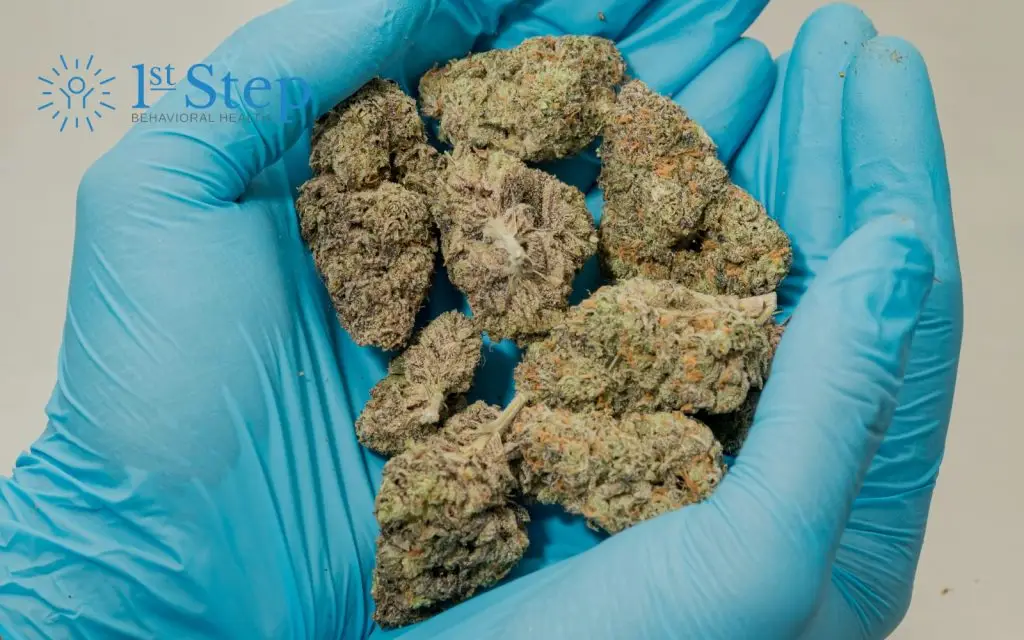
For people struggling with substance use disorder or supporting someone who is, understanding the risks of dangerous drugs like K2 is vital. K2, also known as Spice, is a type of synthetic marijuana that has been linked to severe health complications, including overdose, psychosis, and even death.
Unlike natural marijuana, K2 is made from dangerous chemicals sprayed onto plant material to mimic the effects of THC, the active ingredient in cannabis. But can you overdose on K2?
The short answer is yes. A K2 overdose is a very real and frightening possibility, and unfortunately, it’s not uncommon. In this article, we will explore the clinical implications, symptoms, and consequences of synthetic cannabinoid use, while shedding light on the reasons behind its growing use and the pressing need for treatment and prevention.
What Is K2 or Spice?
K2, often referred to as Spice, is not marijuana, although it is frequently marketed as a safer alternative. It is made by spraying synthetic compounds onto dried herbs or other plant material. These compounds are designed to mimic THC, binding to cannabinoid receptors in the brain but often with far more potent and unpredictable results.
These synthetic cannabinoid products are usually sold in gas stations, online shops, or convenience stores under names like “herbal incense” or “potpourri.” Labels often say “not for human consumption” to avoid regulation, despite the clear intent for recreational drug use.
The Chemical Composition and Lack of Regulation
One of the most alarming facts about K2 is its inconsistent chemical composition. The compounds used in Spice can vary not just from brand to brand but from batch to batch, even within the same batch. This unpredictability makes K2 one of the most dangerous drugs on the street today.
In fact, reports to poison control centers have surged due to K2-related incidents. The Drug Enforcement Administration (DEA) has tried to keep up by banning several synthetic cannabinoids, but manufacturers constantly tweak formulas to avoid detection, making regulation nearly impossible.
Can You Overdose on K2?
Yes, a K2 overdose can happen—and it can be fatal. Unlike natural THC, which has not been linked to deadly overdoses, synthetic cannabinoids can cause extreme and sometimes life-threatening adverse effects. Overdose symptoms may appear suddenly and with frightening intensity.
Common symptoms of a K2 overdose include:
- Severe anxiety and panic attacks
- Hallucinations and psychosis
- Vomiting and nausea
- Rapid heartbeat or rapid heart rate
- Seizures
- Suicidal thoughts
- Aggressive behavior
- Loss of consciousness
- Death
In many cases, people who experience a spice overdose require emergency medical attention. Treatment may include intravenous fluids, anti-seizure medications, and hospital monitoring.
Why Do People Use K2?
People may turn to K2 for many reasons. Synthetic cannabinoids often don’t show up on standard drug screenings, making them appealing to individuals trying to avoid detection—especially in rehab, parole, or employment settings.
Another reason people turn to synthetic cannabinoids is cost and accessibility. Spice is cheap and easy to access. It is also marketed as “herbal” or “natural,” causing many to falsely assume that it’s a safer alternative to traditional marijuana.
Finally, some are drawn to the intense high, though it’s far more dangerous and unpredictable than the effects of natural marijuana.
Clinical Implications of Synthetic Cannabinoid Use
From a mental health perspective, synthetic marijuana poses serious risks. Long-term use can lead to psychological dependence, severe withdrawal symptoms, and worsening mental illness. Unlike natural THC, synthetic cannabinoids are more likely to trigger psychosis, especially in individuals predisposed to mental health disorders.
Hospitals and addiction centers are seeing an increase in patients with spice use complications. According to the National Institute on Drug Abuse, synthetic cannabinoids can be up to 100 times more potent than THC. This makes the long-term effects more severe, with some users experiencing lasting psychological and physical damage.
Reported Cases and Consequences
In recent years, dozens of people have died due to a K2 overdose. A 2018 outbreak linked to K2 laced with rat poison led to multiple deaths and hundreds of hospitalizations within two weeks.
Emergency departments have reported patients arriving with uncontrollable bleeding, severe agitation, or complete loss of consciousness. These reports are supported by studies from the Journal of Forensic Sciences and data from poison control centers, which show a clear rise in Spice-related emergencies.
Addiction, Withdrawal, and Treatment Options
Yes, K2 is addictive, and individuals who use it regularly may develop psychological or physical dependence. This mental and physical dependence can be challenging to overcome. Many people experience withdrawal symptoms.
These might include:
- Intense cravings
- Insomnia
- Irritability
- Depression
- Nausea
- Sweating
- Tremors
Addiction to K2 can be treated successfully, but it requires professional intervention. Most individuals benefit from a combination of medical detox, behavioral therapy, and mental health support. Rehab centers often offer holistic programs that address the full scope of drug abuse, including co-occurring disorders and trauma.
How to Recognize K2 Use in a Loved One
Identifying K2 or Spice use can be difficult, but there are typically some warning signs.
These might include:
- Unexplained paranoia or hallucinations
- Sudden shifts in mood or personality
- Periods of extreme energy or lethargy
- Physical symptoms like sweating, nausea, or twitching
- Possession of unmarked bags of dried herbs or incense
If you suspect a loved one is using synthetic marijuana, it’s crucial to approach them with compassion. Shaming or punishment can drive the person further into substance use disorder.
Prevention and Public Health
Public health agencies like the Centers for Disease Control and Prevention (CDC) and the Drug Enforcement Administration are actively working to warn the public about the dangers of synthetic cannabinoids.
Still, prevention begins at the community level. Parents should have honest conversations with their teens about the risks. Schools and rehab centers should include Spice in their drug education programs. Communities should encourage open dialogue and increase access to mental health and addiction services.
Find Treatment and Support Now
While some may see it as a legal high or a safer alternative to marijuana, the truth is that K2 is laced with other chemicals, often untested and highly potent. This makes it one of the most dangerous drugs currently in circulation.
If you or someone you know is struggling with spice use, drug abuse, or a substance use disorder, help is available at First Step Behavioral Health. Contact our intake team to explore our comprehensive treatment and recovery support programs or to schedule an initial assessment appointment.
Frequently Asked Questions (FAQs)
1. Is K2 detectable on a drug test?
Standard drug tests typically do not detect synthetic cannabinoids like K2. However, specialized tests can be used, especially in forensic or clinical settings. Because the chemical formulas in K2 frequently change, even targeted tests may miss newer variants, making detection difficult and unreliable without advanced screening.
2. How long does K2 stay in your system?
The duration K2 remains in the body can vary based on factors such as dosage, frequency of use, metabolism, and the specific chemicals used. Generally, metabolites may be detectable for a few days up to a week in some advanced urine tests, though results vary widely due to the drug’s inconsistent composition.
3. Can synthetic cannabinoids cause long-term brain damage?
Yes, prolonged use of synthetic cannabinoids has been linked to lasting cognitive issues, including memory loss, impaired decision-making, and worsened psychiatric conditions. Some users have developed persistent psychosis or neurological symptoms even after discontinuing use.
4. Are there any legal versions of K2 still being sold?
While the Drug Enforcement Administration has banned many synthetic cannabinoids, manufacturers often alter chemical formulas slightly to skirt legal definitions. As a result, new versions continue to appear on the market under different names or labels. These “legal” products are still potentially deadly and should be avoided.
5. What should I do if someone is experiencing a K2 overdose?
If you suspect someone is overdosing on K2, call emergency services immediately. Do not wait for symptoms to worsen. While waiting for help, keep the person calm, avoid restraining them, and remove any nearby objects that could cause harm. Provide first responders with any packaging or information you have about the substance they used.
6. Is K2 addiction treated the same way as other substance use disorders?
Treatment for K2 addiction often follows a similar approach to other forms of drug abuse, involving detox, behavioral therapy, and ongoing support. However, because of the unique psychiatric effects and withdrawal profile of synthetic cannabinoids, treatment may need to be customized to address intense mood swings, paranoia, or psychosis.
Sources
Jump to a Section
Call (855) 425-4846