
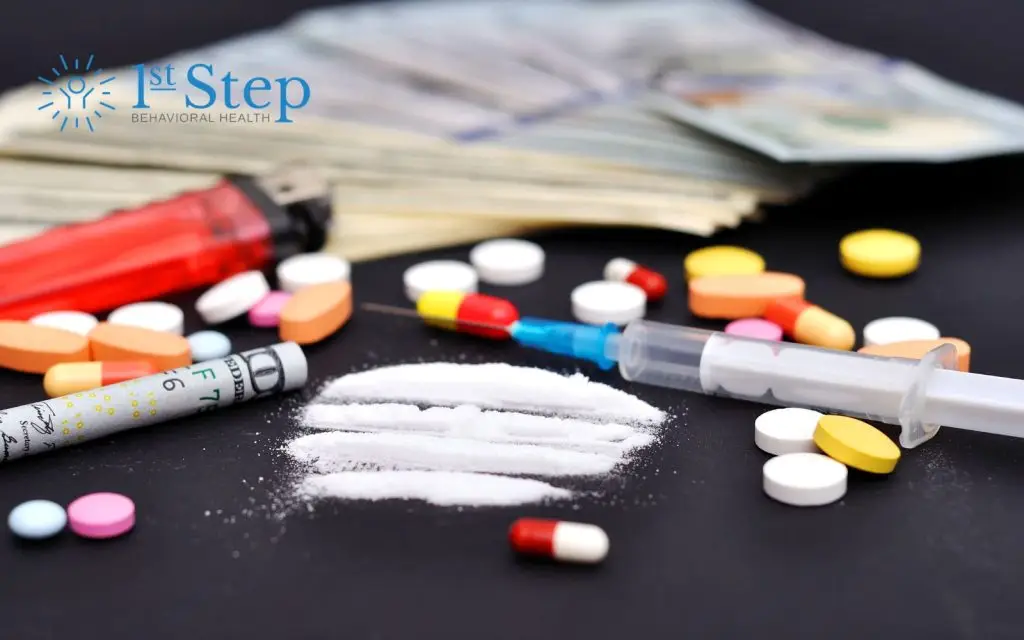
Understanding what cocaine looks like is important for safety, awareness, and early intervention. Whether you are concerned about a suspicious substance, worried about a loved one, or simply want accurate information, knowing how to identify cocaine can help you recognize potential risks tied to drug abuse and substance use.
This article explains the different forms of cocaine, including powder cocaine, crack cocaine, and freebase cocaine, along with details about its appearance, cocaine smell, taste, and common signs of cocaine use. It also covers the risks of cocaine addiction, current statistics, and available cocaine addiction treatment options.
What Is Cocaine?
Cocaine is a powerful stimulant derived from the coca plant, which grows primarily in South America. It is processed from coca leaves into a refined chemical known as cocaine hydrochloride, the most common form found on the street.
Cocaine is classified as a Schedule II drug in the United States, meaning it has limited medical uses but a high potential for substance abuse and dependence.
According to the Substance Abuse and Mental Health Services Administration (SAMHSA), approximately 4.8 million people in the U.S. reported cocaine use in 2023, and about 1.4 million met the criteria for cocaine use disorder.[1]
What Does Cocaine Look Like?
Powder Cocaine (Most Common Form)
The most recognizable form of cocaine is powder cocaine, often referred to as “coke.”
The main characteristics of powder cocaine include:
- Typically appears as a white powder or white crystalline powder
- May look slightly off-white depending on purity
- Fine and soft texture, similar to flour or powdered sugar
- Often packaged in small plastic bags
Pure cocaine has a bright white appearance. However, most street cocaine is mixed with cutting agents like baby powder, talcum powder, or other dangerous substances, which can alter its color and texture.
Crack Cocaine (Rock Form)
Crack cocaine is a processed version made by combining cocaine hydrochloride with baking soda and water, then heating it.
The main characteristics of crack cocaine include:
- Appears as small, hard chunks
- Usually white, beige, or slightly yellow
- Known as a rock form or rock-like form
- Brittle texture that can be broken apart
This version is commonly associated with smoking crack using glass pipes.
Freebase Cocaine
Freebase cocaine is another smokable form, similar to crack but produced differently. Freebase cocaine:
- Appears as a more refined, waxy, or crystalline substance
- Often translucent or off-white
- Highly potent and fast-acting
Liquid Cocaine
Liquid cocaine refers to cocaine dissolved in a liquid, often for easier ingestion or concealment. This form of cocaine appears as:
- Clear or slightly cloudy fluid
- Sometimes added to drinks without detection
- Rare but dangerous due to unpredictable dosing
What Does Cocaine Smell Like?
The smell of cocaine is subtle but distinct. For example:
- Often described as having a chemical smell
- May have a faint chemical odor or chemical-like scent
- Some users report it smells bitter
- When burned (as in crack cocaine use), it can smell like burnt plastic
Unlike some drugs, cocaine does not have a strong or easily recognizable odor in its powder form, making it harder to detect without visual cues.
What Does Cocaine Taste Like?
Cocaine has a very distinct taste:
- Extremely bitter
- Causes temporary numbness in the mouth or gums
- May leave a lingering chemical aftertaste
This numbing effect is due to cocaine’s properties as a local anesthetic, which is why it has limited medical use. That said, you should never try to identify cocaine by tasting it. It is impossible to know what adulterants are in the drug, which could lead to dangerous effects when ingesting it.
Cutting Agents and Adulterants Found in Cocaine
Most street cocaine is not pure. Dealers often mix it with other substances to increase profits.
Common cutting agents include:
- Baby powder
- Talcum powder
- Baking soda
- Sugars or starches
- Other drugs (including opioids like fentanyl or amphetamines like meth)
These additives can significantly increase the risk of overdose and other health complications. Some batches may contain highly dangerous substances like fentanyl, which has contributed to rising overdose deaths.
According to the Centers for Disease Control and Prevention (CDC), over 107,000 drug overdose deaths occurred in the U.S. in 2023, with many involving multiple substances, including cocaine.[2]
How Cocaine Is Used
Cocaine can be used in several ways:
- Snorting (most common)
- Injecting cocaine
- Smoking crack or freebase cocaine
- Rubbing on gums
Each method affects how quickly the drug enters the bloodstream and the intensity of cocaine’s effects.
What are the Signs of Cocaine Use?
Recognizing common signs of cocaine use can help identify potential substance abuse early.
Physical Signs:
- Dilated pupils
- Increased blood pressure
- Rapid heart rate
- Frequent nosebleeds
- Frequent sniffing
- Restlessness or hyperactivity
Behavioral Signs:
- Sudden bursts of energy followed by crashes
- Risky or impulsive behavior
- Financial problems
- Secretive actions
- Changes in social circles
Psychological and Mental Health Effects
Cocaine use often impacts mental health, leading to:
- Anxiety or panic
- Paranoia
- Irritability or aggression
- Depression during withdrawal
In some cases, it can worsen trauma-related disorders or co-occurring mental health conditions. If you believe a loved one is abusing cocaine, you should seek help from an addiction treatment center. At 1st Step, we can help your loved one recover from cocaine addiction using a variety of evidence-based treatment methods.
Cocaine Addiction and Cocaine Use Disorder
Repeated cocaine use can lead to cocaine addiction, clinically known as cocaine use disorder.
Symptoms include:[3]
- Strong cravings for cocaine
- Loss of control over use
- Continued use despite negative consequences
- Difficulty functioning without the drug
- Experiencing withdrawal symptoms when cocaine is not consumed
Cocaine is highly addictive due to its impact on dopamine levels in the brain, reinforcing repeated use.
Cocaine Withdrawal Symptoms
Stopping cocaine can lead to uncomfortable withdrawal symptoms, including:[3]
- Fatigue
- Depression
- Irritability
- Sleep disturbances
- Intense cravings
Medical professionals often recommend medical detox to safely manage and alleviate cocaine withdrawal symptoms.
Cocaine Addiction Treatment Options
Recovery from cocaine addiction is possible with the right support and professional treatment.
Medical Detox
Supervised detox helps stabilize the body and prevents withdrawal from becoming severe. It is often the first step in the cocaine addiction recovery process. Medications and holistic treatments are used to help people overcome cocaine withdrawal and prepare them for further treatment.
Inpatient and Outpatient Programs
Inpatient and outpatient programs provide structured care:
- Inpatient: 24/7 supervision in a controlled environment
- Outpatient programs: Flexible treatment while living at home
Both options are offered by licensed treatment centers.
Therapy and Counseling
Evidence-based therapies include:
- Cognitive Behavioral Therapy (CBT)
- Motivational interviewing (MI)
- Contingency management (CM)
- 12-step facilitation therapy
- Group therapy
- Family therapy
These approaches address underlying issues and support long-term addiction recovery.
Support Groups
Programs like cocaine anonymous provide peer support and accountability during the recovery journey.
Medications
While there are currently no specific FDA-approved medications for cocaine addiction, doctors may prescribe medications to treat related symptoms such as depression or anxiety.
Long-Term Cocaine Addiction Recovery and Ongoing Support
Achieving lasting recovery requires ongoing care and commitment.
Key elements include:
- Continued therapy
- Lifestyle changes
- Support from family members
- Participation in support groups
- Monitoring for relapse triggers
The recovery process is not linear, but with proper ongoing support, individuals can build healthier, substance-free lives.
When to Seek Help for Cocaine Abuse
If you suspect cocaine abuse in yourself or a loved one, early intervention is critical.
Watch for the following cocaine addiction warning signs:
- Noticeable behavioral changes
- Declining physical health
- Presence of drug paraphernalia (such as mirrors, straws, or glass pipes)
- Financial or legal issues
Seeking help from qualified professionals can make a significant difference in outcomes.
Get Connected to a Cocaine Addiction Treatment Center
Knowing what cocaine looks like, along with its smell, taste, and effects, is an important step in recognizing potential drug abuse. Whether it appears as a white powder, white crystalline powder, or a rock-like form, cocaine poses serious health risks in all its forms.
Understanding the signs of cocaine use, the dangers of street cocaine, and the realities of cocaine addiction can help individuals and families take action sooner. With access to treatment programs, therapy, and community support, recovery is achievable.
If you or someone you care about is struggling with cocaine use disorder, reach out to 1st Step Behavioral Health for more information on how we can help. Our cocaine rehab center will provide you with the tools and support you need to achieve long-term recovery.
Frequently Asked Questions (FAQ)
1. Can cocaine look different depending on where it comes from?
Yes. The appearance of cocaine can vary depending on its origin, processing methods, and the substances used to dilute it. Cocaine sourced from different regions may differ in color, texture, and consistency. For example, some batches may appear more flaky, while others are dense or slightly clumpy due to moisture or additives.
2. How can you tell if a white powder is cocaine or something else?
It is not possible to reliably identify cocaine based on appearance alone. Many harmless substances—such as flour, sugar, or powdered medications—can look very similar. The only accurate way to confirm the presence of cocaine is through chemical testing performed by professionals. If you encounter an unknown or suspicious substance, avoid handling it and contact appropriate authorities if necessary.
3. Does cocaine expire or go bad over time?
Cocaine does not “expire” in the traditional sense, but it can degrade over time. Exposure to heat, light, and moisture can alter its chemical structure, reducing potency and potentially changing its appearance or smell. Degraded cocaine may also carry higher health risks due to breakdown compounds or contamination.
4. Why is cocaine sometimes mixed with other drugs?
Cocaine is often combined with other drugs to enhance or modify its effects, or to increase profits by diluting the product. In recent years, there has been a significant rise in cocaine being mixed with opioids like fentanyl, which dramatically increases the risk of overdose. This makes any use of illicit cocaine especially dangerous and unpredictable.
5. Is it possible to overdose on cocaine even if it looks normal?
Yes. The appearance of cocaine does not indicate its strength or safety. Even small amounts can cause an overdose, particularly if the drug is highly potent or mixed with other substances. Factors like body chemistry, method of use, and frequency of use also play a role in overdose risk.
6. What should you do if you suspect someone has used cocaine?
If you believe someone has recently used cocaine, monitor them for warning signs such as chest pain, difficulty breathing, severe agitation, or loss of consciousness. In an emergency, call 911 immediately. For non-emergency situations, consider encouraging the person to seek professional help and offering support without judgment.
References:
- The Substance Abuse and Mental Health Services Administration (SAMHSA): Key Substance Use and Mental Health Indicators in the United States: Results from the 2023 National Survey on Drug Use and Health
- The Centers for Disease Control and Prevention (CDC): U.S. Overdose Deaths Decrease in 2023, First Time Since 2018
- Up to Date: Cocaine use disorder: Epidemiology, clinical features, and diagnosis
Jump to a Section
Call (855) 425-4846