
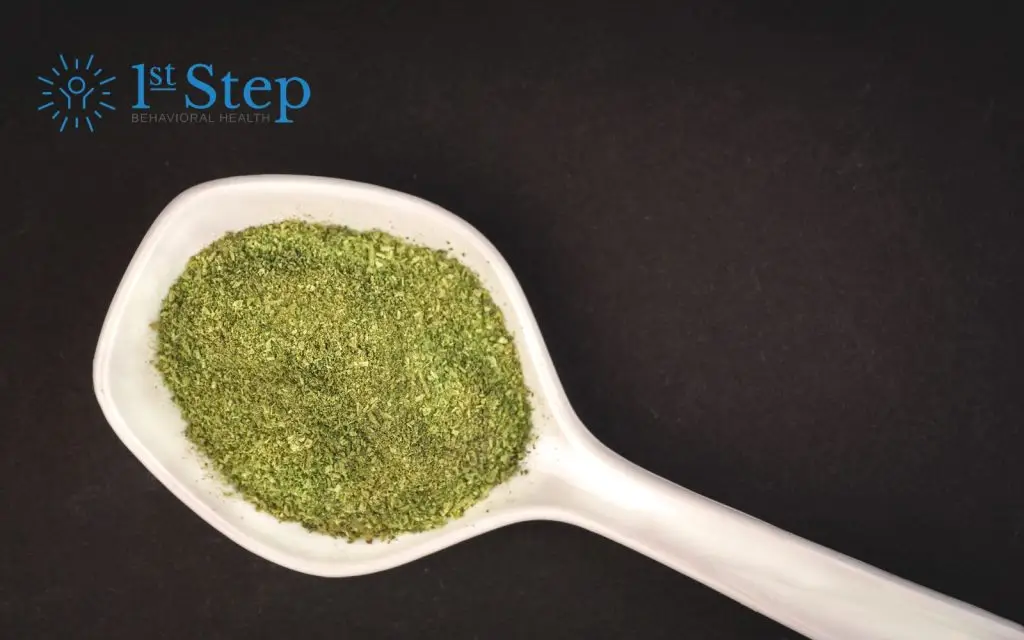
For many people looking for natural ways to manage stress or anxiety, kava has become a popular option. Derived from the Piper methysticum plant, this traditional root has been used for centuries in South Pacific and Pacific Island cultures during cultural ceremonies to promote relaxation and social connection. Today, kava use has expanded far beyond those origins, often marketed for stress relief and calming effects.
But if you’re navigating recovery, concerned about drug use, or undergoing routine drug testing, a more practical question comes into focus: How long does kava stay in your system?
The answer is not simple. Kava metabolism depends on several factors, and its effects—and risks—deserve careful attention, especially for those dealing with substance abuse or combining kava with other substances.
If you or someone you love needs treatment for substance use, you are not alone. Find treatment and support at First Step Behavioral Health.
What Is Kava and How Does It Work?
Kava comes from the root of the plant Piper methysticum, a shrub native to the South Pacific. Its active compounds, known as kavalactones, are responsible for kava’s effects on the brain.
These compounds interact with GABA receptors, which help regulate mood and calm the central nervous system. Because of this, kava is often described as a central nervous system depressant. It can produce sedative effects, reduce anxiety, and in some cases, boost mood.
People may experience:
- A sense of relaxation
- Reduced tension
- Mild euphoria
- Impaired motor coordination at higher doses
Kava’s effects typically begin shortly after initial ingestion, with a peak effect occurring within about two hours.
Is Kava Legal?
In most regions, kava is legal and widely available as a supplement or beverage. However, its regulatory status varies, and some countries have placed restrictions due to concerns about liver toxicity.
Even where kava’s legal status is clear, legality does not equal safety. Like many substances, the context of use matters—especially for individuals in recovery or managing health conditions.
How Long Does Kava Stay in Your System?
The core question—how long kava stays in your system—depends on how your body processes it. In general, kava typically stays in the body for 24 to 48 hours, though traces may linger longer in certain cases.
Here’s a closer look:
- Onset of effects: Usually within 20–30 minutes after consuming kava
- Peak effect: Around two hours
- Duration of noticeable effects: 4–8 hours
- Elimination from the body: 1–2 days in most cases
However, this timeline can vary widely based on numerous factors. For some individuals, especially those using higher doses or engaging in long-term kava use, it may stay in their system longer.
Factors That Influence How Long Kava Stays in Your System
Kava metabolism varies from person to person. Several factors influence how long kava stays in your system and how long it remains detectable.
Liver Function and Liver Health
The liver plays a central role in breaking down kava. Healthy liver enzymes help process kavalactones efficiently. However, impaired liver function can slow this process, prolonging kava’s presence in your system.
This is particularly important because kava has been linked to liver toxicity and, in rare cases, liver failure.
Frequency and Amount of Use
Occasional kava consumption clears faster than repeated or excessive kava use. If kava is consumed frequently or in higher doses, the body may take longer to eliminate it.
Body Weight and Composition
Kavalactones can accumulate in fatty tissues. Individuals with higher body fat may retain these compounds longer, affecting how long kava stays in the system.
Diet and Absorption
Taking kava on an empty stomach often leads to faster absorption and stronger effects. Consuming it with particularly fatty foods may alter its absorption and processing.
Overall Health and Metabolism
General metabolic rate, hydration, and overall health all contribute to how quickly substances move through the body.
Is Kava Detectable on Drug Tests?
A common concern is whether kava will show up on drug tests.
Most standard drug tests do not screen for kava. These tests are typically designed to detect substances like opioids, cannabis, amphetamines, and other drugs.
However, there are a few important points to consider:
- Routine drug testing: Kava is generally not included
- Specialized tests: In rare cases, kava detectable compounds may be identified
- False positives: While uncommon, kava interferes with certain test results and has been reported
If you are subject to routine drug testing—especially in a treatment program—it’s wise to disclose any supplements or herbal products you are taking.
Kava and Medication Interactions
One of the most important considerations is how kava interacts with other substances.
Kava interacts with:
- Prescription medications
- Anti-anxiety medications
- Other drugs that affect the central nervous system
Combining kava with these substances can increase sedative effects and raise the risk of impaired motor coordination or dangerous side effects. Mixing kava with alcohol or other substances is particularly concerning. The combined depressant effects can slow breathing, impair judgment, and increase the likelihood of harm.
Medication interactions are not always obvious. Even natural products can potentially interact in ways that put your health at risk. If you are taking prescription medications, it is essential to seek medical advice before taking kava.
Potential Risks of Kava Use
While kava is often marketed as a natural remedy, it carries real risks—especially with long-term kava use or excessive kava consumption.
Liver Damage and Liver Toxicity
Perhaps the most serious concern is liver damage. In some cases, kava has been linked to severe liver toxicity and even liver failure. This risk appears higher with prolonged use, high doses, or pre-existing liver conditions.
Psychological Dependency
Although not classified as a controlled substance in many places, kava can still lead to psychological dependency. People may begin relying on it for stress relief or mood regulation, which can complicate recovery from substance abuse.
Impaired Coordination
Because kava affects the central nervous system, it can impair motor skills and reaction time. This increases the risk of accidents, particularly when driving or operating machinery.
Interaction Risks
Combining kava with other drugs or medications increases the potential risks significantly, especially when mixing kava with sedatives or alcohol.
Kava and Substance Abuse Recovery
For people navigating substance abuse recovery, kava can be a complicated topic. On one hand, its calming effects may seem helpful for managing anxiety or stress. On the other hand, it still alters brain chemistry and can reinforce patterns of reliance.
Key concerns include:
- Replacing one substance with another
- Risk of psychological dependency
- Interactions with medications used in a treatment program
- Impact on liver health, especially if there is a history of alcohol use
If you are in recovery, it’s important to approach kava with caution. A healthcare professional can help you weigh the risks and determine whether it aligns with your goals.
Safer Alternatives for Stress Relief
If you’re seeking relaxation without the risks associated with kava, there are other options within complementary and integrative health practices.
These may include:
- Mindfulness or meditation
- Exercise or movement
- Herbal teas like green tea
- Counseling or peer support
These approaches support stress relief without introducing substances that may complicate recovery.
When to Seek Medical Advice
If you are considering taking kava—or already using it—there are situations where you should seek medical advice.
These include:
- You take prescription medications
- You have a history of liver issues
- You are in recovery from substance abuse
- You experience symptoms like fatigue, nausea, or jaundice
- You are combining kava with other substances
A healthcare professional can help you understand how kava affects your specific situation and whether it is safe to continue using it.
Find Treatment and Support Now
Kava’s calming effects can be appealing. But its potential risks—including liver damage, interaction with other drugs, and the possibility of dependency—deserve careful consideration.
If you or someone you love needs treatment to address kava abuse or other forms of substance use disorder, you are not alone. Find compassionate assessments, treatment programs, and recovery support at First Step Behavioral Health. Contact our admissions specialists to explore our programs or to schedule an intake appointment.
Frequently Asked Questions (FAQs)
1. Can kava build up in your body over time?
Yes, kava can accumulate in the body with repeated use. Because its active compounds may be stored in fatty tissues, people who use kava long-term or take higher doses regularly may notice that its effects last longer or become stronger over time. This buildup can also increase the likelihood of side effects, especially if liver function is suboptimal.
2. Does kava affect sleep quality?
Kava’s sedative effects can make it easier to fall asleep, which is why some people use it in the evening. However, it may also disrupt natural sleep cycles in some individuals. While it can promote relaxation, it does not always support deep, restorative sleep as naturally occurring sleep patterns do.
3. Can kava cause withdrawal symptoms?
Kava is not typically associated with severe physical withdrawal like some other substances. However, psychological dependency can develop, especially if someone relies on it regularly for stress relief. When stopping after frequent use, some people report mild symptoms such as irritability, low mood, or difficulty relaxing.
4. Is it safe to take kava while trying to reduce alcohol or drug use?
This is a complex situation. While some people turn to kava as an alternative, it still acts as a central nervous system depressant and may reinforce patterns linked to substance abuse. It can also potentially interact with other drugs or medications. If you are working to reduce or stop drug use, it’s best to consult a healthcare professional before taking kava.
5. How does kava compare to other herbal supplements for anxiety?
Kava is often considered stronger than many herbal options because of its direct impact on GABA receptors. While it may offer noticeable calming effects, it also carries greater potential risks, including liver toxicity and medication interactions. Other supplements within complementary and integrative health approaches may provide gentler support with fewer concerns.
Sources
Jump to a Section
Call (855) 425-4846