
Depression is one of the most common mental health conditions, yet it can feel deeply isolating. Many people try antidepressant medications, therapy, or other depression treatments, only to find that their depressive symptoms linger.
For those living with treatment-resistant depression, there is hope in newer, research-backed approaches like transcranial magnetic stimulation (TMS treatment for depression).
This article will walk you through what TMS therapy is, how it works in the brain, what to expect during treatment sessions, and why it has become an FDA-approved option for people struggling with major depressive disorder and related mood disorders.
What Is TMS Treatment?
Transcranial magnetic stimulation (TMS) is a noninvasive brain stimulation therapy designed to treat depression by targeting specific areas of the brain with safe, controlled magnetic pulses. Unlike older forms of brain stimulation, such as electroconvulsive therapy (ECT), TMS does not require anesthesia, surgery, or sedation. Patients remain awake and alert throughout each TMS session.
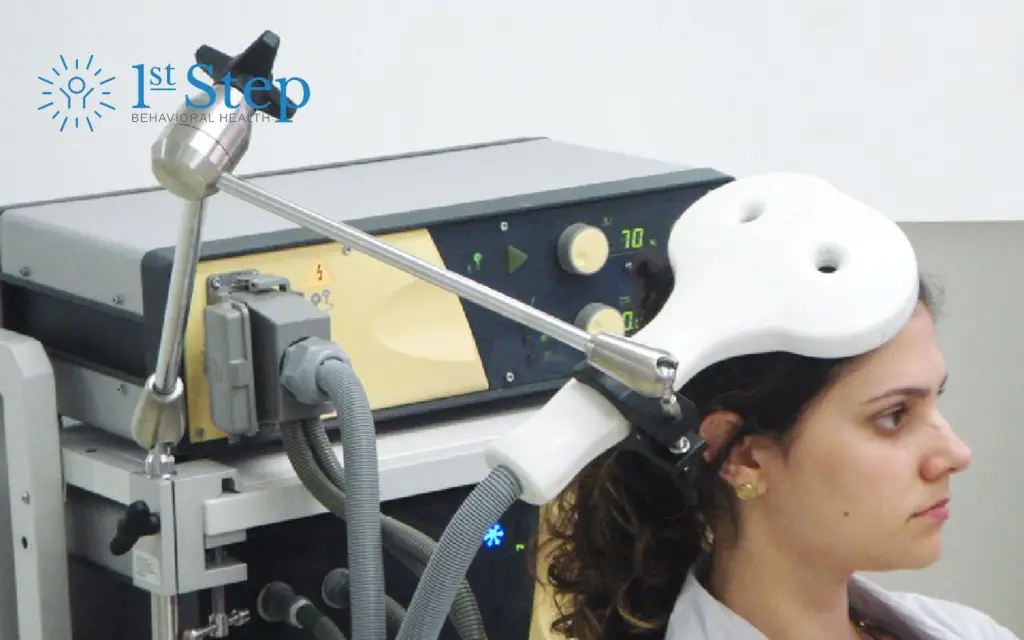
The therapy utilizes an electromagnetic coil, commonly referred to as a TMS coil, which is gently placed against the scalp. This coil generates magnetic fields similar to those used in magnetic resonance imaging (MRI) machines.
The pulses pass through the skull and stimulate nerve cells in regions of the brain associated with depression symptoms, particularly the part of the brain responsible for regulating mood, decision-making, and emotional balance.
How TMS Works in the Brain
When someone is struggling with major depression or other mental health conditions, the prefrontal cortex often shows reduced brain activity and disrupted communication with deeper brain cells. TMS delivers carefully measured magnetic energy to this area, activating underactive regions of the brain.
Over a series of treatment sessions, the repeated stimulation—known as repetitive transcranial magnetic stimulation (rTMS treatment)—helps reset patterns of neural communication. By encouraging healthier activity in the nerve cells, TMS may improve mood, reduce suicidal ideation, and restore balance in blood flow to affected regions.
Scientists have studied TMS extensively, with clinical trials showing promising outcomes. Many patients experience reduced depressive symptoms after four to six weeks of regular sessions, making it an effective treatment option when other depression treatments have failed.
What Happens During a TMS Session?
Your first TMS session begins with a simple preparation process. A trained clinician measures your head to identify the exact treatment location on the scalp above the correct areas of the brain. This step helps determine the lowest amount of magnetic energy required to reliably stimulate nerve cells in your brain.
Once the right settings are established, the clinician positions the magnetic coil against your head and begins delivering short bursts of magnetic pulses. You may feel a light tapping sensation on your scalp, but the procedure is not painful.
Each session usually lasts 20–40 minutes. Patients typically complete TMS over several weeks—often five days per week for six weeks. You can drive yourself home afterward since the noninvasive procedure does not require recovery time, sedation, or general anesthesia.
Comparing TMS With Other Treatments
For decades, the mainstay of depression treatments has been antidepressant medications combined with psychotherapy. While these can be highly effective for many, studies show that a significant percentage of people with major depressive disorder do not achieve complete remission.
Electroconvulsive therapy (ECT) has long been used as a stronger alternative, especially for severe or treatment-resistant depression. However, ECT requires general anesthesia, may affect memory, and carries more risks.
TMS therapy stands out because it is:
- A noninvasive form of brain stimulation
- Does not require surgery or hospitalization
- Avoids the side effects linked to systemic medications
- Safe for long-term use, with most patients experiencing only mild scalp discomfort or headaches
TMS is also different from deep-brain stimulation, which involves surgically implanting stimulators into the brain. Unlike that invasive option, TMS remains external, performed in a clinic, and does not involve implants.
Conditions That TMS Can Help Treat
The primary use of TMS is for major depression, especially in cases where first-line approaches have failed. The FDA approved TMS for depression in 2008, and since then, research has expanded to other conditions, including:
- Obsessive-compulsive disorder (OCD) – Certain TMS protocols help reduce intrusive thoughts and compulsive behaviors.
- Bipolar disorder – Some patients experience relief from depressive episodes, though more research is ongoing.
- Chronic pain – TMS may influence brain activity linked to pain processing.
- Smoking cessation – Studies suggest TMS can reduce cravings by targeting reward pathways.
While not a cure, TMS can significantly improve symptoms for many patients with these mental health conditions.
Who Is a Candidate for TMS Therapy?
TMS is generally considered for adults with treatment-resistant depression, meaning they have not found relief from at least two different antidepressant medications.
However, TMS may not be safe for everyone. People with metal implants, cochlear implants, or a history of severe head injury should consult their doctor. The TMS machine generates strong magnetic fields, so anyone with implanted devices in or near the head must avoid TMS to prevent complications.
Importantly, TMS does not require anesthesia, making it an appealing option for individuals who cannot tolerate sedation or wish to avoid medication side effects.
Clinical Effectiveness and Long-Term Outlook
Research in the field of neurological sciences supports the clinical effectiveness of TMS. Many patients experience a noticeable reduction in depression symptoms after completing the standard several weeks of treatment.
That said, like most other treatments, results vary. Some people may need maintenance TMS sessions to sustain the benefits. Insurance coverage has expanded significantly, and today most insurance companies cover TMS for depression when standard criteria are met.
Compared to first-line treatments such as medications and therapy, TMS provides hope for those who have struggled for years with major depression.
What TMS Feels Like
Patients often describe the experience of TMS as unusual but manageable. The tapping sensation on the scalp may feel like someone gently knocking. There may be mild muscle twitches in the face during stimulation, but these fade quickly after the session ends.
Unlike electroconvulsive therapy, TMS does not cause memory loss. Unlike medications, it does not trigger systemic side effects, such as weight gain, fatigue, or digestive issues. For many, these qualities make TMS an empowering choice to regain control over their mental health.
Living with major depressive disorder or other mood disorders can be overwhelming. When other depression treatments fail, it is easy to lose hope. However, advances in non-invasive brain stimulation like TMS offer a different path forward. These approaches can safely stimulate nerve cells in the prefrontal cortex and gradually help people reclaim their lives.
By targeting the brain directly, without the need for invasive surgery or anesthesia, TMS represents a breakthrough in how we treat depression. For individuals navigating mental health conditions, this therapy provides not only symptom relief but also renewed optimism.
Find Mental Health Treatment and Support
TMS treatment for depression is more than a medical procedure—it’s a lifeline for those living with treatment-resistant depression. Through the power of controlled magnetic pulses, delivered by a simple TMS coil, this noninvasive form of care can restore brain activity where it is needed most.
If you or someone you love continues to struggle with depressive symptoms despite trying antidepressant medications or other treatments, TMS may be the next step worth considering.
Learn more about TMS, explore mental health treatment options, or find support at 1st Step Behavioral Health. Contact our treatment specialists to learn more about your treatment options or to schedule an intake appointment.
Frequently Asked Questions About TMS Treatment
1. How long do the benefits of TMS last?
Many patients experience symptom relief for months or even years after completing a full course of TMS. Some individuals may opt for maintenance sessions if symptoms begin to recur.
2. Can TMS be combined with other therapies?
Yes. TMS is often used alongside psychotherapy, lifestyle changes, and in some cases, medications. Combining approaches can help support long-term recovery.
3. Is TMS covered by insurance for conditions other than depression?
At this time, most insurance companies cover TMS primarily for major depressive disorder. Coverage for conditions like OCD or smoking cessation may vary and often requires additional documentation or appeals.
4. Does TMS change personality or memory?
No. TMS does not alter personality or cause memory loss. Its purpose is to improve mood regulation by stimulating underactive brain circuits, not to change who you are.
5. What should I expect after the full course of treatment?
After the standard treatment period, many people report improved energy, clearer thinking, and a greater ability to engage in daily activities. Your provider will help create a follow-up plan tailored to your progress.
Sources
Jump to a Section
Call (855) 425-4846