
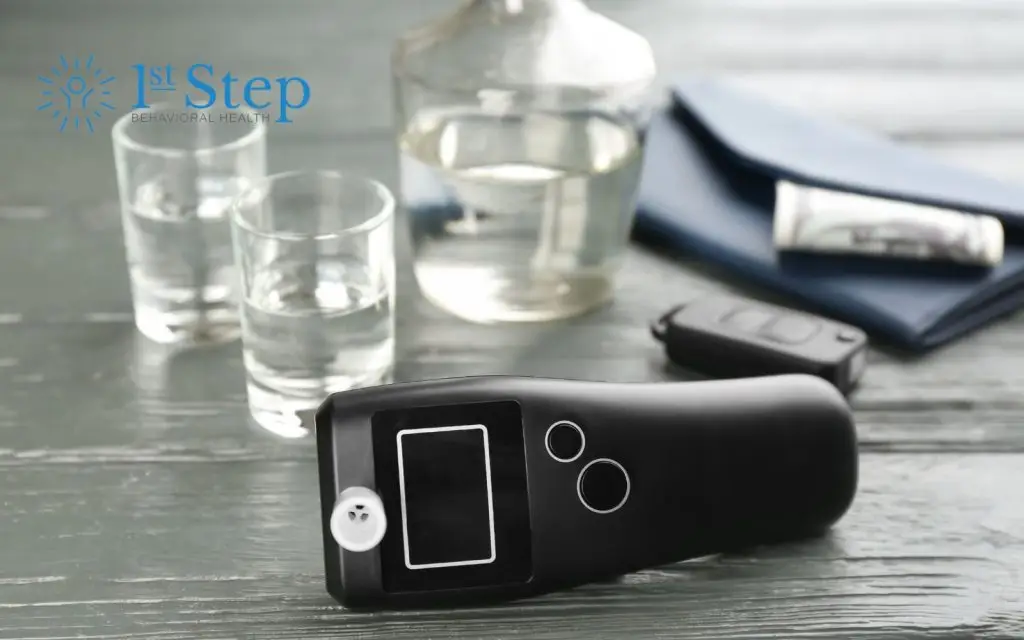
Understanding how breathalyzers work can feel overwhelming at first, especially if you or someone you care about is struggling with alcohol use. But learning the basics can help you make more informed decisions about your health, safety, and future.
This guide breaks down the science in a simple, clear way—without jargon—so you can better understand what happens in your body when you drink and how a breathalyzer measures intoxication. Find comprehensive addiction treatment and recovery support at First Step Behavioral Health.
What Is a Breathalyzer?
A breathalyzer is a device used to measure the amount of alcohol in a person’s breath. From that, it can estimate blood alcohol content (BAC), which refers to the percentage of alcohol in your bloodstream.
Law enforcement often uses these devices to check drivers for impairment, but they are also used in workplaces, treatment programs, and medical settings. The goal is simple: determine whether alcohol consumption has reached a level that affects safety or health.
How Breathalyzers Work: The Basic Science
To understand how breathalyzers work, it helps to know what happens after alcohol is consumed. When a person drinks beer, wine, or any alcoholic beverage, the alcohol enters the stomach and small intestine. From there, it moves into the bloodstream. Once in the bloodstream, alcohol travels throughout the body, including the lungs.
When you exhale, a small amount of alcohol leaves your body through your breath. A breathalyzer captures this breath sample and analyzes it. The amount of alcohol in your breath is closely related to the amount in your blood. This allows the device to estimate your blood alcohol concentration without needing a blood test.
A breathalyzer is not the same as a blood test, but both aim to measure alcohol levels.
Breathalyzer
- Non-invasive
- Fast results
- Portable
- Estimates BAC
Blood Test
- More precise
- Requires a medical setting
- Takes longer
A doctor may use a blood test in a medical office when an exact measurement is needed. Breathalyzers are more commonly used for quick field checks.
Understanding Modern Breathalyzers
Modern breathalyzers rely on sensors that detect alcohol using chemical reactions. In many devices, alcohol in the breath interacts with a sensor that produces a small electrical current.
Here are the steps of using a breathalyzer test:
- You blow air into the device
- Alcohol in your breath reacts with a sensor
- This reaction creates an electrical current
- The strength of that current helps measure alcohol levels
The stronger the current, the higher the alcohol concentration detected. The device then converts this into a BAC reading.
What Does BAC Mean?
Blood alcohol content (BAC) is a measurement of how much alcohol is in your blood. It is usually shown as a percentage.
For example, a BAC of 0.08% means 0.08% of your blood volume is alcohol. This number helps determine levels of intoxication and impairment.
Here are some of the effects people may experience at different blood alcohol levels:
- 0.02%: Mild relaxation
- 0.05%: Reduced coordination
- 0.08%: Legal intoxication in many states
- 0.10%+: Significant impairment
- 0.30%+: Risk of serious health issues or death
Understanding BAC helps explain why even small amounts of drinking can affect balance, judgment, and reaction time.
Factors That Affect Breathalyzer Results
Breathalyzers provide estimates, not precise measurements. Several factors influence the result.
These include:
1. Body weight: A person with lower body weight may reach higher BAC levels faster than someone heavier.
2. Gender: Biological differences can affect how alcohol is processed.
3. Amount consumed: The more alcohol consumed, the higher the BAC.
4. Time: Alcohol takes time to absorb and leave the body. Drinking fast can raise BAC quickly.
5. Food intake: Eating before or during drinking can slow alcohol absorption.
6. Health issues: Certain medical conditions may affect how alcohol moves through the body.
7. Type of drink: Beer, wine, and stronger drinks contain different levels of alcohol.
All of these factors shape how a breathalyzer measures intoxication in individuals. These and other variable factors make it very challenging to predict how alcohol will affect an individual’s BAC.
Breathalyzers are generally reliable, but they are not perfect. Certain conditions can affect readings:
- Mouth alcohol from recent drinking
- Use of certain substances like mouthwash
- Improper use of the device
- Calibration issues
Because of this, results are sometimes confirmed with additional testing.
Why Breathalyzers Matter for Safety
Breathalyzers play an important role in reducing harm caused by impaired driving and other risky behavior. Alcohol affects the brain and body in ways that reduce coordination, slow reaction time, and impair judgment. Even at low levels, alcohol can make it harder to walk, talk clearly, or stay balanced.
For drivers, this can be especially dangerous. Many accidents involve alcohol, and using a breathalyzer helps detect impairment before it leads to harm.
Alcohol affects each person differently, but common signs of intoxication include:
- Slurred speech
- Poor balance
- Slowed thinking
- Nausea
- Confusion
As BAC levels rise, these effects become stronger. In severe cases, alcohol poisoning can occur, which may lead to unconsciousness or death. Understanding these risks can help individuals make safer choices and recognize when assistance is needed.
Alcohol does not leave the body immediately. On average, the body processes about one standard drink per hour. However, this varies based on individual factors. Even if someone feels “fine,” alcohol may still be present in the bloodstream and detectable by a breathalyzer. This is why time alone is not always a reliable way to estimate sobriety.
Alcohol, Mental Health, and Support
Alcohol use often connects to deeper mental and emotional challenges. Many individuals use alcohol to cope with stress, trauma, or anxiety. Over time, this can lead to dependence and serious health issues.
If you find yourself struggling with alcohol, you are not alone. Reducing alcohol consumption can improve both physical and mental health. Here are a few simple steps:
- Set limits on drinking
- Drink water between alcoholic beverages
- Avoid drinking on an empty stomach
- Plan safe transportation
- Spend time with supportive people
These small changes can help reduce the risk of impairment and long-term harm. If alcohol is affecting your daily life, relationships, or health, it may be time to seek assistance.
You might consider reaching out if you:
- Drink more than intended
- Feel unable to stop
- Experience withdrawal symptoms
- Notice negative effects on work or family
Talking to a doctor or counselor can help you explore options for support and recovery.
Find Addiction Treatment and Recovery Support Now
Learning how breathalyzers work is about more than understanding a device. It’s about understanding how alcohol moves through the body, how it affects your mind and behavior, and how it can impact your safety and well-being.
A breathalyzer offers a quick way to measure alcohol levels, but it cannot tell the full story of a person’s experience. Each individual has a unique history, and alcohol affects everyone differently.
If you are concerned about your drinking or someone else’s, find comprehensive treatment, support, and recovery resources at First Step Behavioral Health. Contact our admissions specialists to explore our programs, verify your insurance, or schedule an intake appointment.
Frequently Asked Questions
1. Can a breathalyzer detect substances other than alcohol?
Most standard breathalyzer devices are designed specifically to detect alcohol, not other substances. However, advanced testing tools used in medical or law enforcement settings can detect drugs, but they are not typical handheld breathalyzer units. If substance use beyond alcohol is a concern, a different type of test may be needed to determine what has been consumed.
2. Is it possible to lower your BAC quickly before a test?
There is no reliable way to lower blood alcohol content quickly. Common myths—like drinking coffee, taking a cold shower, or exercising—do not reduce BAC. Only time allows the body to process alcohol. While drinking water may help with hydration, it does not speed up how fast alcohol leaves the bloodstream.
3. How accurate are personal breathalyzer devices?
Personal breathalyzers can provide a general estimate of alcohol levels, but their accuracy varies depending on quality and maintenance. Professional-grade devices used by law enforcement are regularly calibrated, while personal devices may not be. For this reason, results from a personal device should be viewed as a rough guide rather than a precise measurement.
4. Can medications or health conditions affect a breathalyzer reading?
Yes, certain medications and health conditions can influence results. For example, some conditions may produce compounds in the breath that a device could misread. Additionally, medications containing alcohol or similar chemicals might lead to unexpected readings. If you have concerns, it’s a good idea to consult a doctor for more information.
5. How soon after drinking can alcohol be detected on the breath?
Alcohol can be detected on the breath fairly quickly after drinking begins, sometimes within minutes. However, levels continue to rise as alcohol is absorbed into the bloodstream. This means a test taken shortly after drinking may not reflect peak intoxication levels, which can occur later.
6. What should someone do if they are worried about their drinking habits?
If you’re concerned about your alcohol use, reaching out for support is an important first step. You can talk to a trusted friend, a healthcare professional, or a counselor. There are also support groups and resources available that provide guidance in a safe, judgment-free space. Seeking help early can make a meaningful difference in your long-term health and well-being.
Sources
Jump to a Section
Call (855) 425-4846