
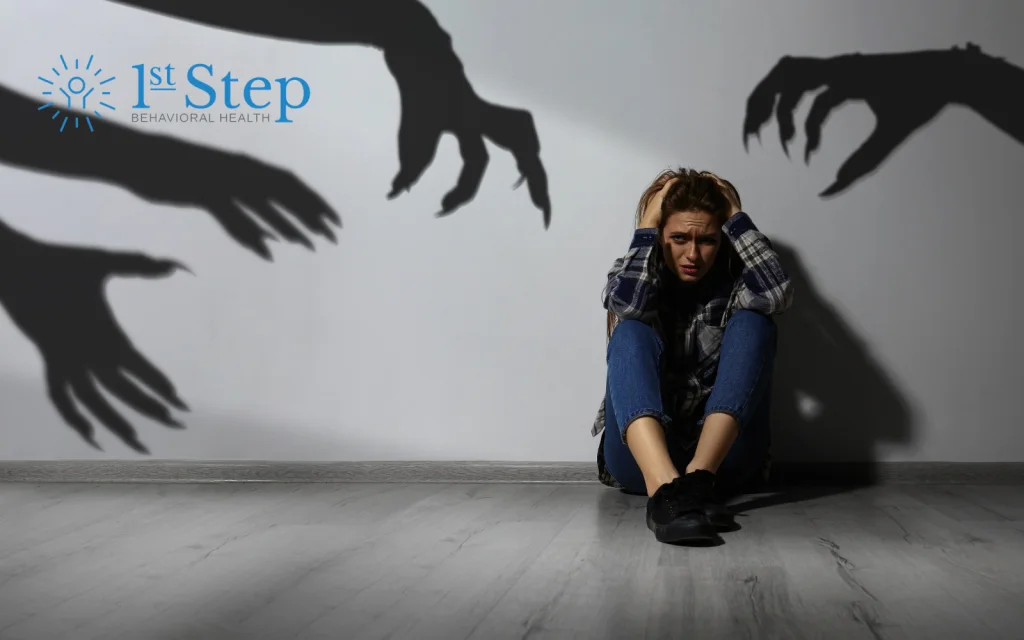
Fear and anxiety are closely connected emotions that many people experience throughout life. While they can feel similar, understanding the differences between them can help people recognize what they are experiencing and when it may be time to seek support. A better understanding of fear vs anxiety can also make it easier to identify potential mental health conditions and find effective treatment options.
Both fear and anxiety are normal human responses designed to protect us from harm. However, when these emotions become overwhelming, persistent, or begin interfering with daily life, they may be linked to anxiety disorders or other mental health disorders.
If you or a loved one needs mental health resources or support, find comprehensive care at First Step Behavioral Health.
Understanding Fear and Anxiety
When discussing fear vs anxiety, it helps to understand how each emotion works. Fear is a response to an immediate threat or actual danger. Anxiety, on the other hand, is often related to a perceived threat, possible threats, or concerns about the future.
Understanding fear begins with recognizing its purpose. Fear helps people react quickly when danger is present. For example, if someone steps into traffic and notices an approaching car, the fear response activates instantly. The body prepares to protect itself through the fight-or-flight response.
Anxiety functions differently. Instead of reacting to something happening right now, anxiety focuses on what could happen. Someone may experience anxiety before a presentation, worry about a relationship, or become concerned about bad things happening in the future even when no immediate threat exists.
Although fear and anxiety serve protective functions, they can become difficult to manage when they are frequent, intense, or disproportionate to the situation.
How Fear Affects the Mind and Body
Fear is a natural survival mechanism. When people encounter danger, the brain quickly signals the body to prepare for action. This stress response releases stress hormones such as adrenaline and cortisol.
As a result, physical symptoms may occur, including:
- Increased heart rate
- Heart palpitations
- Chest pain
- Muscle tension
- Sweating
- Rapid breathing
- Upset stomach
- Shaking
These symptoms are part of the body’s fight-or-flight response and are intended to help a person respond to real danger.
Fear typically fades once the threat has passed. For example, someone who narrowly avoids a car accident may feel intense fear in the moment, but their body gradually returns to a calm state once they are safe.
How Anxiety Differs From Fear
A key distinction in fear vs anxiety is timing. Fear occurs in response to something happening right now, while anxiety often develops around uncertainty and future events.
People who experience anxiety may spend significant time thinking about possible threats, worst-case scenarios, or situations that may never occur. Negative thoughts and persistent worry often fuel anxiety.
Someone with anxiety may repeatedly ask themselves:
- What if something goes wrong?
- What if I fail?
- What if something bad happens?
Even without evidence of danger, the mind and body may respond as though a threat exists.
This is why anxiety and fear can feel physically similar. Both activate the stress response and can produce symptoms such as increased heart rate, muscle tension, and upset stomach. However, anxiety often lasts much longer than fear and may continue even when no danger is present.
When Anxiety Becomes a Mental Health Condition
Occasional anxiety is a normal part of life. Most people feel anxious before important events, major decisions, or stressful situations. However, when anxiety becomes excessive, persistent, and difficult to control, it may indicate an anxiety disorder.
According to the Diagnostic and Statistical Manual, published by the American Psychiatric Association, anxiety disorders are among the most common mental health conditions. The Diagnostic and Statistical Manual provides guidelines that mental health professionals use to evaluate symptoms and make a diagnosis.
People with anxiety conditions may experience symptoms that interfere with relationships, work, school, and everyday responsibilities.
Common anxiety symptoms include:
- Persistent worry
- Trouble sleeping
- Difficulty concentrating
- Muscle tension
- Restlessness
- Increased heart rate
- Heart palpitations
- Upset stomach
- Feeling anxious most days
- Avoiding certain situations
When these symptoms significantly impact daily life, professional treatment may be beneficial.
Common Types of Anxiety Disorders
Several mental disorders fall under the category of anxiety disorders. Each has unique characteristics, although fear and intense anxiety are often central features. Here is an overview of common anxiety disorders.
Generalized Anxiety Disorder
Generalized Anxiety Disorder involves ongoing and excessive worry about multiple aspects of life. People with this condition may experience anxiety about health, finances, relationships, work, or other concerns.
The worry is often difficult to control and may continue even when there is little reason for concern. Persistent worry, muscle tension, trouble sleeping, and difficulty relaxing are common symptoms.
Panic Disorder
Panic Disorder involves recurring panic attacks. These episodes can create sudden, overwhelming fear accompanied by physical symptoms.
Common panic symptoms include:
- Chest pain
- Heart palpitations
- Increased heart rate
- Sweating
- Shortness of breath
- Dizziness
- Feelings of impending doom
Because panic attacks can be so intense, some individuals begin to avoid things or places where they fear another attack might occur.
Social Anxiety Disorder
Social anxiety disorder, sometimes called social phobia, involves intense anxiety related to social situations. Individuals may fear embarrassment, criticism, rejection, or judgment from others.
People with social anxiety disorder often feel extremely self-conscious in social situations and may avoid certain things such as public speaking, meeting new people, or attending gatherings.
Specific Phobias
Specific phobias involve extreme fear of particular objects, activities, or situations. Common examples include fear of heights, flying, needles, or certain animals. The fear is often much greater than the actual danger posed by the situation.
Post Traumatic Stress Disorder
Post Traumatic Stress Disorder can develop after experiencing or witnessing a traumatic event. Although it has its own diagnostic category, anxiety frequently plays a significant role. Individuals may experience intense anxiety, intrusive memories, hypervigilance, sleep disturbances, and strong emotional reactions when reminded of the traumatic experience.
The Connection Between Fear and Anxiety
Although there are important differences between fear and anxiety, the two emotions are closely linked. Fear can trigger anxiety. For example, someone who experiences a frightening event may later become anxious about it happening again.
Likewise, anxiety can create fear. A person worrying about future problems may begin to feel genuine fear even when no actual danger is present.
Both emotions involve similar biological processes, including activation of stress hormones, the stress response, and the fight or flight system. The difference often comes down to whether the threat is immediate or anticipated.
Signs It May Be Time to Seek Help
Many people experience anxiety at some point, but ongoing symptoms should not be ignored. Anxiety is treatable, and recognizing the need for help can be a critical first step toward lifelong symptom management.
Consider speaking with a mental health professional if:
- Anxiety interferes with daily life
- Symptoms make it difficult to work or attend school
- You regularly avoid things because of fear
- Panic attacks occur
- Persistent worry feels impossible to control
- Trouble sleeping becomes chronic
- Physical symptoms are frequent or severe
- Anxiety affects relationships
Individuals with certain mental health conditions may face a higher risk of developing anxiety disorders. Early intervention can often improve outcomes and quality of life.
Effective Anxiety Treatment Options
The good news is that anxiety disorders and related mental health disorders are highly treatable. Many people find significant relief through professional treatment and healthy coping strategies.
Therapy
Therapy is often one of the most effective approaches for managing anxiety. Cognitive behavioral therapy helps individuals identify negative thoughts, challenge unhelpful beliefs, and develop healthier ways of responding to stress.
Exposure therapy is frequently used for specific phobias, social anxiety disorder, and other anxiety disorders. This approach gradually helps people face feared situations in a safe and controlled manner.
Medications
In some cases, medications may be recommended as part of treatment. A mental health professional can determine whether medications may be appropriate based on an individual’s symptoms and diagnosis.
Relaxation Techniques
Many people benefit from learning skills that help calm the body’s stress response.
Examples include:
- Deep breathing
- Progressive muscle relaxation
- Mindfulness practices
- Regular physical activity
- Healthy sleep habits
These strategies can help reduce anxiety symptoms and promote a greater sense of calm.
Take the First Step Toward Better Mental Health
Understanding the differences between fear and anxiety is an important step toward improving mental health. Fear is a natural reaction to an immediate threat or actual danger, while anxiety often centers on perceived threat, uncertainty, and concerns about the future.
Both emotions can produce powerful symptoms and affect how people feel, think, and behave. However, when anxiety becomes persistent, overwhelming, or disruptive, it may signal an anxiety disorder or another mental health condition.
Recognizing the signs early can help individuals find support and access effective treatment. Whether through therapy, medications, relaxation techniques, or a combination of approaches, many people learn to manage anxiety, reduce fear, and regain confidence in their daily life.
If you regularly experience anxiety, panic, or persistent worry, you do not have to manage it alone. Find comprehensive mental health resources, assessments, and treatment programs at First Step Behavioral Health. Contact our intake team to explore your treatment options, verify your insurance, or begin the admission process.
Frequently Asked Questions About Fear and Anxiety
1. Can fear and anxiety happen at the same time?
Yes. Fear and anxiety often overlap. Someone may initially feel fear during a stressful event and then continue to feel anxious afterward, thinking about whether the situation could happen again. This combination is common and can make it difficult to distinguish between the two emotions.
2. Why does anxiety sometimes feel physical rather than emotional?
Anxiety affects both the mind and body. When the brain perceives a threat, it activates systems that prepare the body to respond. As a result, some people notice physical sensations before they recognize emotional distress. These reactions can include changes in breathing, digestion, energy levels, and overall comfort.
3. Are some people more likely to develop anxiety disorders than others?
Yes. Several factors can increase a person’s risk, including family history, personality traits, chronic stress, traumatic experiences, and certain medical conditions. Having risk factors does not guarantee someone will develop an anxiety disorder, but it may make them more vulnerable.
4. Can anxiety go away on its own?
Mild anxiety related to temporary life events may improve once the situation resolves. However, anxiety that persists for weeks or months, worsens over time, or interferes with daily functioning often benefits from professional support. Early intervention can help prevent symptoms from becoming more severe.
5. How can I help a loved one who is struggling with anxiety?
Offer support by listening without judgment, encouraging open conversations, and avoiding pressure to “just relax” or “stop worrying.” Encouraging professional help when needed and learning more about anxiety can also make it easier to provide meaningful support.
6. When should I seek immediate medical attention for anxiety symptoms?
Because anxiety can sometimes cause symptoms that resemble medical emergencies, such as chest pain, severe shortness of breath, or dizziness, it is important to seek immediate medical care if symptoms are sudden, severe, or you are unsure of the cause. A healthcare provider can determine whether the symptoms are related to anxiety or another medical condition.
Sources
Jump to a Section
Call (855) 425-4846