
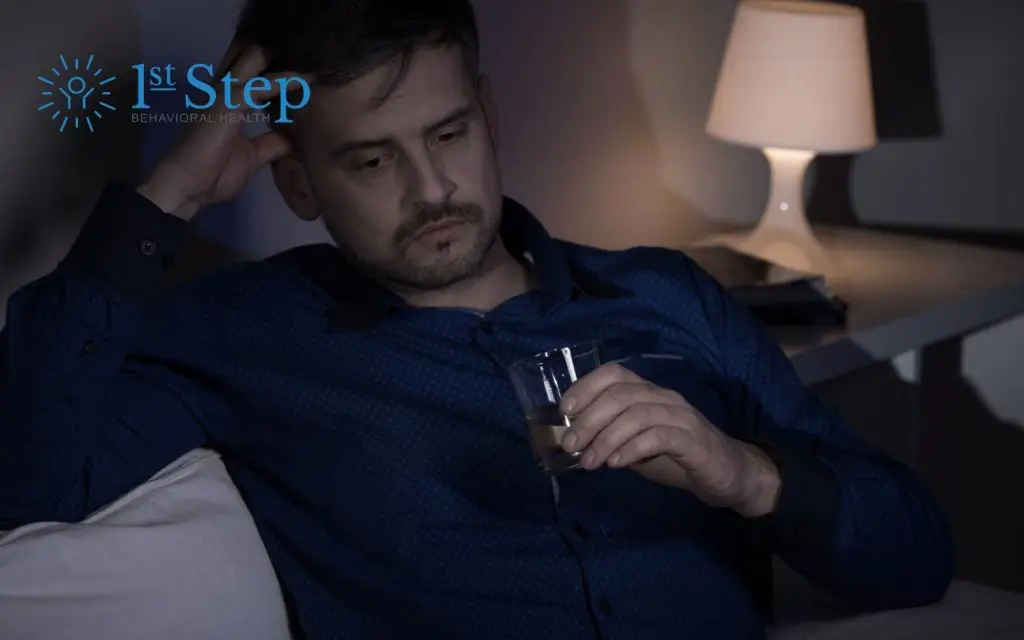
For people struggling with alcohol abuse or addiction, household products like vanilla extract may sometimes seem like easy substitutes when traditional alcohol is unavailable. However, understanding the risks of drinking vanilla extract is important because misuse can quickly become dangerous.
Drinking vanilla extract or other household products containing alcohol can be a sign of a serious alcohol use disorder. If you or someone you love needs treatment to address alcohol abuse or addiction, you are not alone. Find comprehensive, compassionate recovery programs at First Step Behavioral Health.
Can You Get Drunk from Drinking Vanilla Extract?
Many people are aware that certain common products, like vanilla extract, contain alcohol. Knowing this, some may wonder what would happen if someone were to drink vanilla extract. Is it possible to get drunk from drinking this everyday baking essential?
The short answer is yes — drinking vanilla extract can cause intoxication. Many products contain a surprisingly high amount of alcohol. While most people think of vanilla extract as something used in baking and recipes, it is often made with enough alcohol content to create intoxicating effects when consumed in large quantities.
In some cases, people may consume vanilla extract or other household products because they struggle with alcohol addiction and want to hide it from others. It is important to be aware of the risks associated with consuming large amounts of vanilla extract and seek treatment when necessary.
Why Does Vanilla Extract Contain Alcohol?
Many forms of vanilla extract contain alcohol because alcohol helps pull flavor compounds from vanilla beans during the extraction process. Manufacturers often make pure vanilla extract by soaking vanilla beans in a mixture of ethyl alcohol and water for an extended period.
The FDA requires products labeled as pure vanilla extract to contain a minimum amount of alcohol. Specifically, the FDA requires at least 35% alcohol by volume. That makes some products comparable to hard liquor.
For perspective:
- Vodka typically contains around 40% alcohol
- Rum often contains 35–40% alcohol
- Bourbon usually ranges between 40–50% alcohol
- Pure vanilla extract typically contains at least 35% alcohol
This means real vanilla extract can have an alcohol content similar to hard alcohol or liquor.
What is the Alcohol Content in Vanilla Extract?
People often underestimate how much alcohol exists in a bottle of vanilla extract because it is sold alongside baking supplies rather than alcoholic beverages.
A small bottle of vanilla extract may look harmless, but the amount adds up quickly.
For example:
- One teaspoon of pure vanilla extract contains a small amount of alcohol
- An ounce shot of vanilla extract contains far more alcohol
- Two shots may contain enough alcohol to affect some people
- Four shots could significantly increase intoxication risk
How much alcohol affects someone depends on several factors:
- Body weight
- Tolerance
- Whether food was eaten recently
- How quickly the extract was consumed
- Existing health conditions
Someone with low tolerance may become intoxicated after consuming less than someone with long-term alcohol abuse.
How Much Vanilla Extract Would Get You Drunk?
Many people ask how much vanilla extract or how much extract is needed to get drunk. This question may come from a place of curiosity or concern.
There is no single answer because everyone responds differently. Factors like body weight, tolerance, metabolism, and the same amount consumed over different time periods matter.
Generally speaking:
- Small quantities may not create noticeable effects
- Larger amounts increase the chance of intoxication
- Large quantities consumed rapidly increase health risks
Because vanilla extract contains alcohol levels comparable to some liquor, drinking a bottle quickly could absolutely get you drunk. A bottle of vanilla extract may contain several ounces. Depending on the size of the bottle, consuming it could equal multiple shots of alcohol.
If someone drinks enough vanilla extract to become drunk, they may experience:
- Slurred speech
- Poor coordination
- Confusion
- Dilated pupils
- Nausea
- Vomiting
- Poor judgment
- Sleepiness
These intoxicating effects occur because the alcohol inside the extract works similarly to other forms of alcohol.
Pure Vanilla Extract vs. Imitation Vanilla Extract
Not every product contains the same ingredients. Knowing the difference between these common baking essentials can help you understand where caution is needed.
Pure Vanilla Extract
Pure vanilla extract is produced using real vanilla beans and alcohol. The process often includes soaking vanilla beans in alcohol to pull out flavor compounds and create the rich flavor associated with vanilla.
Because real vanilla extract contains a substantial amount of alcohol, it carries a greater risk of misuse.
Imitation Vanilla Extract
Imitation vanilla extract and imitation vanilla products usually use synthetic flavor compounds rather than relying entirely on vanilla beans.
However, imitation vanilla is not automatically safer. Some imitation vanilla extract products still contain alcohol. Others may contain different additives or ingredients that make ingestion risky in other ways. Always check the alcohol content listed on the bottle, as formulas vary.
Can Drinking Vanilla Extract Cause Alcohol Poisoning?
Yes. Drinking vanilla extract in large amounts can contribute to alcohol poisoning.
Alcohol poisoning happens when someone consumes more alcohol than the body can safely process.
Warning signs include:
- Slow breathing
- Passing out
- Confusion
- Vomiting
- Blue skin or lips
- Seizures
- Inability to wake up
Alcohol poisoning is a medical emergency.
Because vanilla extract contains concentrated alcohol, people sometimes underestimate how dangerous it can be. Consuming large amounts quickly creates serious risks.
Even if someone does not intend to become intoxicated, accidental overconsumption can happen because extract products are not packaged like standard alcoholic drinks.
Why People With Alcohol Addiction May Turn to Extract Products
People living with addiction sometimes seek alternative alcohol sources during periods of withdrawal, financial stress, limited access, or attempts to hide use. Household products may seem easier to access because they are sold in grocery stores and used for recipes and baking.
People experiencing alcohol cravings may look for:
- Vanilla extract
- Lemon extract
- Other forms of extract
- Cooking products containing alcohol
This behavior can become especially harmful because these products were not intended for recreational consumption.
Drinking vanilla or consuming other forms of extract to manage cravings may temporarily reduce withdrawal symptoms but usually worsens long-term substance abuse patterns.
Are Other Extracts Also Dangerous?
Vanilla is not the only concern. Products like lemon, almond, or mint extracts often contain high levels of alcohol too. Some extracts contain alcohol concentrations similar to or higher than those of certain alcoholic beverages.
People sometimes assume food ingredients are safer because they are sold in stores without age restrictions, but extract products still carry risks when consumed for intoxication. Different forms vary widely, so reading labels matters.
Why Baking With Vanilla Extract Is Different
Many people wonder whether using vanilla in recipes creates the same concerns. In most recipes, only small quantities are used. A teaspoon or two spread across an entire dish creates a very different exposure than drinking straight extract.
Heat during baking may reduce some alcohol content, although not all alcohol disappears. Using vanilla for recipes, baking, or flavoring food is generally very different from intentionally consuming large amounts. The issue becomes harmful when someone intentionally drinks extract products for their alcohol content.
Signs That Extract Misuse May Point to a Bigger Problem
Occasionally using extra vanilla in cookies is not the same as intentionally drinking products to feel intoxicated.
Warning signs may include:
- Hiding bottles
- Frequently needing increasing amounts
- Using household alcohol products regularly
- Failed attempts to stop
- Strong alcohol cravings
- Drinking alone
- Replacing traditional alcohol with extracts
Families and individuals can take steps to prevent misuse.
Consider:
- Store products out of easy reach
- Buy vanilla extract in smaller sizes if concerned
- Monitor household supplies
- Discuss risks openly
- Look for support early
Some people choose to buy vanilla extract only as needed rather than storing multiple bottles.
Prevent misuse by recognizing that household products can still become harmful when used outside their intended purpose.
When to Seek Help for Alcohol Abuse
If drinking vanilla extract has become a repeated behavior, support is available. Substance and alcohol abuse can make people feel isolated, embarrassed, or hopeless. But seeking help early often prevents worsening health problems.
Compassionate professionals understand that addiction can lead people to use unexpected products in risky ways.
Alcohol use disorder is a complex condition. You deserve support whether you struggle with:
- Dependence on hard liquor
- Misuse of extract products
- Frequent binge drinking
- Using alcohol to cope with mental health symptoms
- Repeated intoxication episodes
Recovery starts with recognizing the problem — not judging yourself for it.
Find Alcohol Abuse Treatment and Recovery Support
Vanilla extract may seem harmless because it lives in kitchen cabinets next to flour and sugar, but its alcohol content makes misuse risky. Drinking vanilla extract can absolutely get you drunk, especially when large amounts are consumed.
If drinking vanilla has become part of a larger struggle with addiction, reaching out for support can make a difference. If you or a loved one needs alcohol addiction treatment, you are not alone. Find comprehensive addiction assessments, treatment, and recovery support at First Step Behavioral Health. Explore our programs or schedule an intake appointment by contacting our admissions specialists now.
Frequently Asked Questions
1. Can minors legally buy vanilla extract?
In many places, vanilla extract is sold as a baking ingredient rather than as an alcoholic beverage, so that age restrictions may differ from those for products like beer or liquor. However, store policies vary, and some retailers may limit purchases because of the product’s alcohol content.
2. Does vanilla extract expire?
Vanilla extract has a long shelf life because alcohol acts as a preservative. Pure products often maintain quality for years when stored properly in a cool, dark place. Over time, the flavor and taste may change slightly, but spoilage is uncommon.
3. Why do some people use cooking ingredients instead of traditional alcohol?
People struggling with alcohol use disorder or severe alcohol cravings sometimes look for accessible substitutes when traditional alcohol is unavailable. Household products may seem easier to hide or obtain, but using non-beverage alcohol sources can increase health risks and delay getting support.
4. Can mixing vanilla extract with drinks or food reduce its effects?
Adding extract to coffee, soda, milkshakes, or other beverages does not remove the alcohol. While mixing may change the taste or make consumption slower, alcohol remains present and can still affect the body.
5. Are alcohol-free vanilla products available?
Yes. Some manufacturers sell alcohol-free vanilla flavorings made with alternatives like glycerin instead of ethyl alcohol. These products may appeal to people avoiding alcohol for personal, religious, recovery-related, or medical reasons.
6. What should you do if someone accidentally drinks a large amount of vanilla extract?
Monitor for signs of worsening intoxication such as confusion, vomiting, trouble breathing, or difficulty staying awake. If symptoms appear severe or you suspect alcohol poisoning, seek emergency medical help immediately. Acting quickly can reduce the risk of serious complications.
Sources
Jump to a Section
Call (855) 425-4846