Anxiety can feel overwhelming—racing thoughts, a pounding heart, and a constant sense of unease. If you’ve ever noticed your heart beating faster or felt physically tense during stressful moments, you might wonder: Does anxiety cause high blood pressure? It’s an important question, especially because both anxiety and high blood pressure affect millions of people and can have lasting effects on overall health.
This article explores the connection between anxiety and high blood pressure, what happens inside your body, and how to protect your long-term cardiovascular health. If you or someone you love needs mental health treatment, find whole-person care at First Step Behavioral Health.
Understanding Blood Pressure and How It Works
Blood pressure refers to the force of blood pushing against your artery walls as your heart pumps. It’s measured using two numbers:
- Systolic blood pressure: the pressure when your heart beats
- Diastolic blood pressure: the pressure when your heart rests between beats
Healthy blood pressure levels are essential for maintaining proper circulation and supporting vital organs. When blood pressure readings remain consistently high, it can lead to chronic high blood pressure—also known as hypertension—which increases the risk of heart disease, heart failure, and other forms of cardiovascular disease.
Does Anxiety Cause High Blood Pressure?
The short answer is: anxiety does not directly cause long-term hypertension, but it can raise blood pressure temporarily and contribute to risk factors that lead to chronic high blood pressure over time.
When you experience anxiety, your body activates the fight or flight response. This response is controlled by the sympathetic nervous system and prepares your body to react to perceived danger.
During this process, your body releases stress hormones like adrenaline and cortisol. These hormones:
- Increase heart rate
- Constrict blood vessels
- Increase blood pressure
This is why anxiety can trigger temporary rises or sudden blood pressure spikes. For many patients, these spikes happen during stressful situations, panic attacks, or even routine visits to the doctor’s office—a phenomenon known as white coat syndrome or white coat hypertension.
Temporary vs. Long-Term Effects
Anxiety can cause physical and emotional symptoms. Some symptoms are acute and temporary, while others are long-lasting. It’s important to distinguish between short-term and long-term effects.
Anxiety can cause noticeable symptoms such as:
- Rapid heartbeat
- Chest tightness
- Shortness of breath
- Severe headache in some cases
These symptoms often accompany sudden increases in blood pressure. However, once the anxiety subsides, blood pressure usually returns to normal. While anxiety alone may not directly cause high blood pressure, chronic anxiety and chronic stress can contribute to long-term hypertension in several ways.
These include:
- Ongoing activation of stress hormones
- Increased inflammation in the cardiovascular system
- Strain on blood vessels and artery walls
Over time, these effects may increase the risk of developing chronic conditions like cardiovascular disease.
The Role of Stress and Anxiety in Cardiovascular Health
Stress and anxiety often go hand in hand. When stress becomes persistent, it can disrupt the body’s natural balance. Chronic stress leads to repeated activation of the fight-or-flight response, which keeps stress hormones elevated.
This can have several effects, including:
- Regular blood pressure increases
- Damaging heart health
- Contributing to hormonal imbalances
According to guidance widely supported by public health authorities, prolonged stress and anxiety may increase the risk of heart attack and other serious complications.
Lifestyle Factors That Link Anxiety and High Blood Pressure
Anxiety doesn’t just affect your body directly—it also influences behavior. Many people develop unhealthy coping mechanisms that can further impact blood pressure.
These include:
- Excessive alcohol use
- Poor sleep or lack of quality sleep
- Smoking or difficulty trying to quit smoking
- Reduced physical activity
These lifestyle factors can significantly increase blood pressure and contribute to long-term hypertension. For example, poor sleep disrupts the body’s ability to regulate stress hormones, while excessive alcohol can directly raise blood pressure. Over time, these patterns increase the likelihood of both anxiety disorders and cardiovascular disease.
White Coat Hypertension and Masked Hypertension
Some people experience elevated blood pressure only in certain situations. These include white coat hypertension, when blood pressure rises in a doctor’s office due to anxiety, and masked hypertension, where someone has normal readings in clinical settings but elevated levels at home.
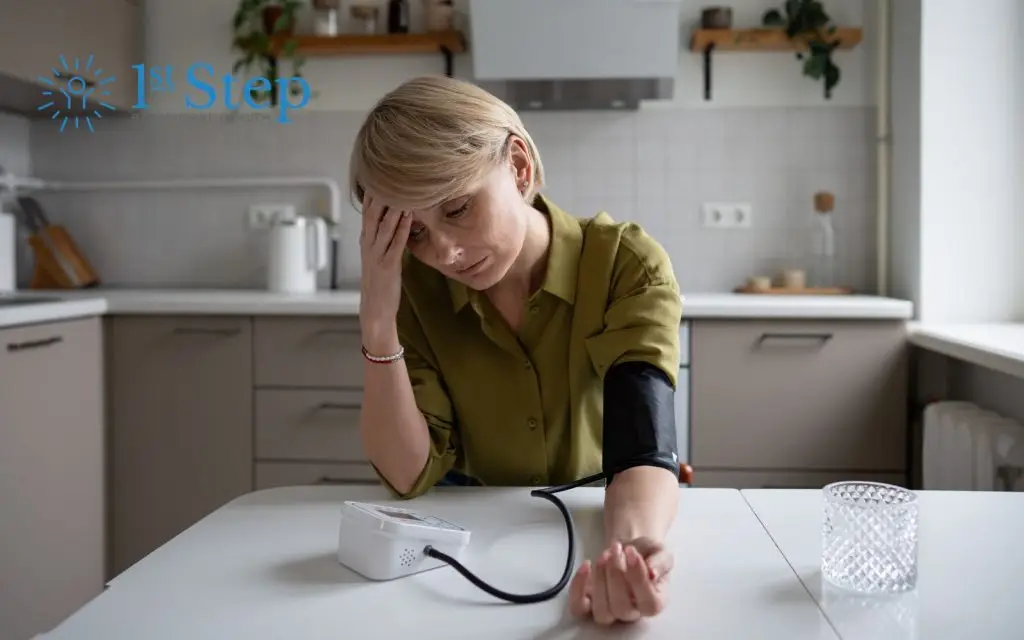
These variations are why home blood pressure monitoring can be so helpful. It provides a more accurate picture of your usual blood pressure levels and helps identify patterns linked to anxiety.
Anxiety Symptoms and Blood Pressure Spikes
Anxiety symptoms vary widely, but many directly affect the cardiovascular system.
These can include:
- Rapid breathing
- Muscle tension
- Dizziness
- Panic attacks
During these episodes, the body releases hormones that increase blood pressure quickly. These blood pressure spikes can feel alarming, especially if they happen frequently. Although these spikes are usually temporary, repeated episodes can place strain on the heart and blood vessels over time.
Some people are at higher risk of experiencing both anxiety and high blood pressure.
Common risk factors include:
- Chronic anxiety or untreated anxiety disorders
- Family history of hypertension
- Sedentary lifestyle
- Unhealthy diet
- Excessive alcohol consumption
When multiple risk factors are present, the combined effect can increase the likelihood of developing chronic high blood pressure.
Can Anxiety Lead to Heart Disease?
While anxiety alone does not directly cause heart disease, it can contribute to an increased risk—especially when combined with other factors. Long-term exposure to stress hormones and repeated increases in blood pressure may damage blood vessels, weaken artery walls, and affect overall cardiovascular health. Over time, this can increase the risk of heart disease, heart attack, and even heart failure.
The good news is that addressing anxiety can also support healthier blood pressure levels. Many approaches benefit both mental and physical health.
Deep Breathing and Relaxation
Practicing deep breathing exercises helps calm the nervous system and reduce tension. Slow, controlled breathing can lower heart rate and support better blood pressure regulation.
Regular Exercise
Physical activity is one of the most effective ways to reduce stress and improve cardiovascular health. Even moderate exercise can:
- Lower blood pressure
- Improve mood
- Support optimal health
Healthy Diet
A healthy diet rich in whole grains, fruits, vegetables, and lean proteins supports heart health. Limiting sodium and processed foods can help lower blood pressure.
Quality Sleep
Improving sleep habits is essential. Poor sleep increases stress hormones and makes anxiety harder to manage. Prioritizing quality sleep helps regulate both mood and blood pressure.
Reduce Alcohol and Quit Smoking
Reducing excessive alcohol use and working to quit smoking can significantly improve both anxiety levels and cardiovascular health.
Treatment Options for Anxiety
If anxiety is persistent or overwhelming, professional support can make a meaningful difference. Here are some of the approaches that can help you reduce or manage anxiety effectively.
Talk Therapy
Talk therapy provides a safe space to explore thoughts and emotions. It helps many patients develop healthier coping strategies.
Cognitive Behavioral Therapy (CBT)
Cognitive behavioral therapy is a structured approach that helps identify and change patterns of thinking that contribute to anxiety.
Stress Management Techniques
Learning stress management skills can reduce the frequency and intensity of anxiety symptoms. This may include mindfulness, relaxation practices, or guided breathing.
Support Groups
Connecting with others who understand your experience can reduce isolation and provide encouragement.
Medication When Needed
In some cases, certain medications may be prescribed to treat anxiety or manage blood pressure. Blood pressure medications and mental health medications should always be used under medical supervision.
Monitoring and Protecting Your Health
Managing both anxiety and blood pressure requires awareness and consistency. Here are some of the things you can do to keep track of your blood pressure and manage it effectively.
Home Blood Pressure Monitoring
Tracking your blood pressure at home can help identify patterns and reduce anxiety about readings taken in a doctor’s office.
Regular Checkups
Routine visits allow healthcare providers to monitor changes and recommend appropriate care.
Disease Control Through Prevention
Focusing on prevention—through lifestyle changes and managing stress—can reduce the risk of developing chronic conditions.
Find Treatment and Support Together
Anxiety and high blood pressure are closely connected through the body’s stress response, lifestyle habits, and overall health patterns. When anxiety becomes chronic, it can place strain on the cardiovascular system and increase the risk of serious conditions.
If you’re experiencing frequent anxiety symptoms or concerns about your blood pressure, reaching out for support is an important step. Find comprehensive mental health assessments, treatment, and resources at First Step Behavioral Health. Contact our intake team to explore our programs or to schedule an admissions assessment.
Frequently Asked Questions
1. Can anxiety cause sudden, dangerous spikes in blood pressure?
Yes, anxiety can lead to sudden blood pressure spikes, especially during intense episodes like panic attacks. These temporary rises can feel alarming, but they are usually short-lived. However, if spikes occur frequently or are accompanied by symptoms such as chest pain or a severe headache, it’s important to seek medical evaluation to rule out underlying causes.
2. How can I tell if my high blood pressure is related to anxiety or something else?
It can be difficult to distinguish on your own. Patterns can offer clues—if your blood pressure readings are higher during stressful moments but normal at other times, anxiety may be a contributing factor. Home blood pressure monitoring over several days or weeks can help provide a clearer picture, and a healthcare provider can assess whether anxiety, lifestyle factors, or other conditions are involved.
3. Can managing anxiety alone help lower blood pressure?
In some cases, yes—especially if stress and anxiety are major contributors. Managing anxiety through approaches like deep breathing exercises, talk therapy, or stress management techniques may help lower blood pressure naturally. However, some people may still need additional support, including lifestyle changes or blood pressure medications, depending on their overall health.
4. Is it safe to exercise if anxiety raises my heart rate and blood pressure?
For most people, regular exercise is not only safe but beneficial. Physical activity can help regulate the body’s stress response and improve cardiovascular health over time. If anxiety makes exercise feel intimidating, starting with gentle movement—like walking or stretching—can be a good first step. If you have existing health concerns, it’s wise to check with a healthcare provider before beginning a new routine.
5. Can anxiety affect blood pressure even when I feel calm?
Yes, it can. Some people with chronic anxiety have a persistently elevated baseline anxiety level, even if they don’t feel acutely stressed. This can subtly influence the cardiovascular system throughout the day. In these cases, ongoing stress management and treatment for anxiety disorders can play an important role in protecting long-term health.
6. When should I seek help for anxiety and blood pressure concerns?
You may want to seek help if you notice consistently high blood pressure readings, frequent anxiety symptoms, or physical effects like dizziness, chest discomfort, or ongoing sleep problems. Early support can help prevent complications and improve both mental well-being and cardiovascular health.
Sources
Jump to a Section
Call (855) 425-4846