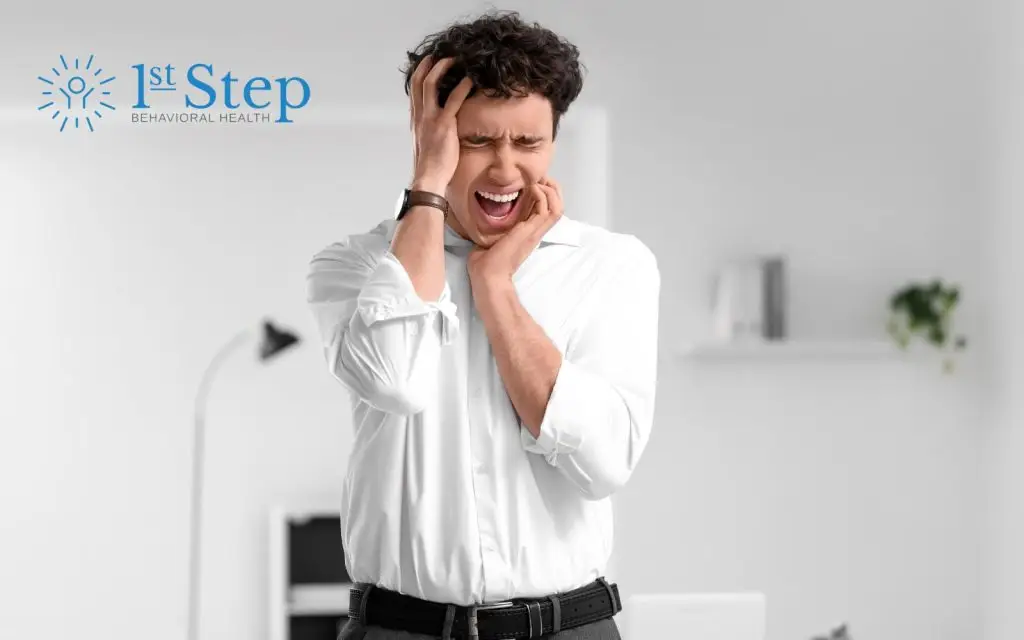
Panic attacks are overwhelming, frightening experiences that can leave a lasting impact on a person’s mental and physical well-being. They often come suddenly and without warning, leaving the individual feeling helpless or as if they are in real danger. If you or a loved one is experiencing symptoms of a panic attack, understanding the signs can help you recognize what’s happening, seek support, and begin the path to healing.
In this article, we’ll explore five common signs and symptoms of a panic attack, how they relate to panic disorder, and what steps can be taken to treat and manage panic attacks effectively. Contact the First Step Behavioral Health specialists to learn about our programs, verify your insurance, or schedule an intake appointment.
What Is a Panic Attack?
A panic attack is a sudden episode of intense fear that triggers severe physical symptoms, even though there may be no actual danger or real threat present. Many people describe it as feeling like a heart attack or fearing they’re losing control of their body or mind.
Not everyone who experiences a panic attack goes on to develop panic disorder. However, frequent or unexpected panic attacks can interfere with daily life and lead to other mental health conditions. According to the National Institute of Mental Health, panic disorder may be diagnosed when these attacks are recurrent and cause persistent worry about having more panic attacks.
Panic disorder is a treatable condition. Recognizing the symptoms and getting the right diagnosis are the first steps toward managing it.
1. Racing Heartbeat and Chest Pain
One of the most alarming symptoms of a panic attack is a racing heart, often accompanied by chest pain or tightness. These physical sensations can mimic the symptoms of a heart attack, which adds to the fear and confusion during an episode.
The increased heart rate results from the body’s fight-or-flight response, which prepares the body to escape perceived danger. Even when there is no actual threat, the body reacts as if the danger is real.
People may experience physical symptoms, including chest pain, a racing heartbeat, and shallow breathing. They may experience panic-like symptoms, such as heart palpitations, dizziness, and shortness of breath. People may worry that they are experiencing a medical event as a result of these symptoms.
If you or someone else is experiencing chest pain and is unsure whether it’s a panic attack or a heart attack, it’s essential to consult a primary care provider to rule out medical emergencies.
2. Feeling of Losing Control or Going Crazy
During a panic attack, the fear overwhelms the body and mind. A person may feel like they’re losing control, going insane, or even dying. These intense feelings are not just emotional—they’re part of the panic experience.
This sense of impending doom often arises unexpectedly, making it difficult to prepare or respond calmly. Individuals may avoid certain situations for fear of triggering another episode, which can lead to long periods of isolation and distress.
3. Shortness of Breath and Hyperventilation
Struggling to breathe is a common and distressing symptom of a panic attack. Many people feel like they can’t get enough air, which leads to hyperventilation—rapid, shallow breathing that only worsens anxiety.
This symptom contributes to the sense that something is life-threatening, even when it’s not. Practicing breathing exercises and relaxation techniques can help ease this symptom in the moment and prevent panic attacks over time.
Helpful strategies include:
- Controlled breathing
- Grounding exercises
- Practicing mindfulness
Learning how to recognize the symptoms of a panic attack and then practicing these skills can reduce their severity and frequency.
4. Hot Flashes, Chills, and Sweating
Panic attacks often trigger sudden changes in body temperature, including sweating, hot flashes, or chills. These physical sensations are another way the body responds to extreme stress or anxiety.
The unpredictability of these symptoms can lead to increased fear about when or where the next panic attack might happen. People may begin to avoid places or situations where they’ve previously had attacks, leading to more panic attacks and a possible anxiety disorder.
5. Nausea, Dizziness, or Feeling Faint
Another sign of a panic attack is feeling dizzy, lightheaded, or nauseous. Some people even feel like they might faint. This symptom can occur because of rapid breathing, increased heart rate, and the body’s overwhelming stress response.
These symptoms of panic are especially common during a mental health crisis and can be confused with other conditions. Again, it’s important to rule out physical health issues with a primary care provider if these symptoms are frequent or severe.
Could It Be Panic Disorder?
If you experience unexpected panic attacks regularly, avoid certain situations out of fear, or spend a lot of time worrying about the next episode, you might be dealing with panic disorder.
Panic disorder is a type of anxiety disorder that can develop in early adulthood or the late teens, especially in people with a family history of anxiety, depression, or obsessive-compulsive disorder. A mental health professional may diagnose it after a comprehensive evaluation.
Panic disorder may also co-occur with other mental health conditions, making diagnosis and treatment even more important. While the exact cause of panic disorder isn’t known, several factors may increase the risk of developing it:
- Family history of anxiety or depression
- Experiencing a traumatic event
- Chronic stress
- Substance abuse
- Major life changes
Some individuals may be more sensitive to bodily sensations, misinterpreting normal changes (such as increased heart rate) as signs of danger. This can lead to more panic attacks and a cycle of anxiety and fear.
Getting a Diagnosis
To get panic disorder diagnosed, a medical provider will typically review your symptoms, rule out physical conditions (such as thyroid issues or heart problems), and possibly refer you to a mental health professional.
The Merck Manual and other reputable sources recommend a full psychiatric evaluation and medical exam. Diagnosis is an important step toward getting the right treatment plan and starting to treat panic attacks effectively.
Treatment Options for Panic Disorder
The good news is that panic disorder can be treated. Many people find relief through a combination of approaches. Here is an overview of these treatment options.
Talk Therapy
Cognitive Behavioral Therapy (CBT) helps people identify and challenge negative thought patterns that fuel panic attacks. Exposure therapy may also be used, gradually helping individuals face feared situations in a controlled way.
Medications
Some common medications include:
- Selective serotonin reuptake inhibitors (SSRIs)
- Serotonin norepinephrine reuptake inhibitors (SNRIs)
- Beta blockers for managing physical symptoms like a racing heart
Always discuss medication options with a mental health professional or prescribing doctor.
Lifestyle Changes
Implementing a healthy diet, regular exercise, and consistent sleep can support mental health. Relaxation techniques such as yoga, meditation, and breathing exercises can help reduce daily stress.
How to Manage or Prevent Panic Attacks
Even though panic attacks may feel life-threatening, they are not dangerous. However, the fear they create can deeply affect daily life. There are strategies to manage and prevent panic attacks.
These include:
- Practice mindfulness and deep breathing
- Avoid caffeine, alcohol, and other stimulants
- Create a routine to reduce uncertainty and stress
- Connect with support groups, a friend, or a family member
- Work with a mental health professional to create a personalized treatment plan
Having an “emergency plan” to manage the symptoms of a panic attack may help you manage them more effectively and with greater confidence. Work with a mental health professional to recognize panic attacks and manage them successfully. Contact First Step Behavioral Health for more information.
Find Treatment For Panic Disorder and Panic Attacks Today
Panic attacks are frightening but treatable. Understanding the signs and symptoms of a panic attack can help you take control of your mental health. Whether you’ve had one panic attack or many, you are not alone—and help is available.
If you suspect you may have panic disorder, reach out to the team at First Step Behavioral Health. Explore our mental health assessment, treatment, and recovery support programs, or schedule an intake appointment by contacting us.
Frequently Asked Questions (FAQ) About Panic Attacks
1. What’s the difference between a panic attack and an anxiety attack?
While the terms are often used interchangeably, a panic attack typically comes on suddenly and peaks within a few minutes, involving intense physical symptoms and fear. An anxiety attack tends to build more gradually in response to a stressor and may last longer. Anxiety attacks are not recognized as a formal diagnosis, whereas panic attacks are defined in diagnostic manuals and used to diagnose panic disorder.
2. Can children and teens experience panic attacks?
Yes. Panic attacks can affect people of all ages, including children and adolescents. In younger individuals, panic attacks may be mistaken for other issues like separation anxiety or behavioral problems. If a child frequently experiences anxiety, avoids certain situations, or reports physical symptoms such as stomachaches or dizziness, it’s important to consult a pediatrician or mental health professional for evaluation.
3. How do I support a friend or family member during a panic attack?
Stay calm and speak in a reassuring, steady voice. Encourage slow breathing and remind them that the feelings will pass. Avoid telling them to “calm down” or “snap out of it,” as this can increase distress. If they have a coping strategy that has worked before—such as grounding exercises—gently guide them through it. Afterward, check in and offer continued emotional support.
4. Are there natural remedies or self-help strategies for panic attacks?
Yes. While professional treatment is essential for many, some people benefit from natural approaches, such as regular exercise, journaling, herbal teas (e.g., chamomile), and relaxation techniques (e.g., progressive muscle relaxation or guided imagery). A healthy diet, reduced screen time, and time spent outdoors can also support emotional regulation and reduce baseline anxiety levels.
5. Can panic attacks happen while sleeping?
Yes—these are known as nocturnal panic attacks. A person may wake suddenly in a state of intense fear, with physical symptoms such as a racing heart or shortness of breath, similar to daytime attacks. These episodes can be especially disorienting and may lead to sleep avoidance or insomnia. It’s important to talk to a provider if these occur frequently.
6. What should I do if panic attacks start affecting my work or relationships?
If panic attacks are interfering with your daily life, it’s time to seek help. A mental health professional can guide you through effective treatment options like talk therapy, medication, or lifestyle changes. You might also consider informing a trusted colleague or loved one, so they can offer support or flexibility while you work on recovery. Early intervention can prevent symptoms from worsening and protect your long-term well-being.
Sources
Jump to a Section
Call (855) 425-4846