
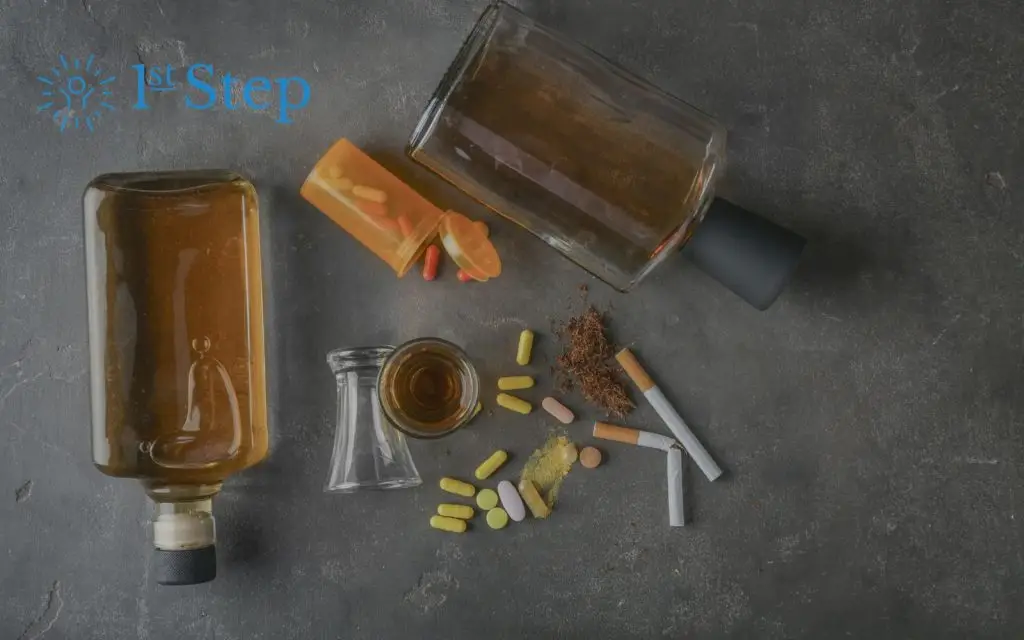
When someone is struggling with addiction, the idea of feeling joy without drugs or alcohol can seem distant. But the truth is, the human brain is naturally designed to experience pleasure. The same systems affected by substance abuse can be supported and rebuilt through healthy, everyday choices. These natural highs are not only safer but also strengthen mental, physical, and overall well-being.
At the center of this process is dopamine, often called the feel good neurotransmitter. It plays an important role in the brain’s reward system, influencing mood, motivation, memory, and even cognitive function. When someone experiences dopamine deficiency or low dopamine levels, it can lead to symptoms like depression, anxiety, trouble sleeping, and reduced motivation—common challenges during recovery from drug abuse or alcohol dependence.
The good news: there are natural dopamine boosters that can help the brain produce more dopamine and restore balance. Below are ten sober activities that offer a real, lasting dopamine rush—without the risks tied to substance use. If you or a loved one needs addiction treatment or recovery support, find comprehensive care at First Step Behavioral Health.
1. Exercise That Gets Your Heart Moving
Physical activity is one of the most effective ways to increase dopamine levels. When you exercise, your brain releases dopamine along with other feel-good chemicals, helping reduce stress and improve mood.
For those recovering from cocaine addiction or other drugs, exercise can also help repair the brain and restore the natural reward system. You don’t need an intense routine. Walking, biking, swimming, or even dancing can support dopamine production. Over time, regular exercise improves memory, short-term memory, and overall cognitive function.
2. Spending Time in Nature
Nature has a calming, grounding effect on the body and brain. Whether it’s a park, a lake, or a quiet trail, spending time outdoors can lower stress and support mental health.
For families, parents, and kids, outdoor time can also strengthen connections and create positive shared experiences. Research suggests that being in nature can increase dopamine release while also improving mood and reducing anxiety. It’s a simple, free way to feel pleasure again without relying on substances.
3. Meaningful Connection with Friends and Family
Human connection is a powerful natural high. Spending time with friends, family, or a supportive community helps the brain release dopamine and strengthens emotional well-being.
For teens and young people, especially, having a strong support system can reduce the risk of drug use and encourage healthier choices. Isolation is often linked to substance abuse, while connection supports recovery. Talking, laughing, and sharing experiences all activate the brain’s reward pathways.
4. Music That Moves You
Listening to music you love can trigger a dopamine rush almost instantly. The brain releases dopamine in response to rhythm, melody, and emotional connection to sound.
Music can improve mood, reduce stress, and even enhance memory. It’s also an engaging way to reconnect with feelings that may have been dulled by substance use. Try creating playlists that match different moods—calm, energizing, or uplifting—to support your mental health throughout the day.
5. Learning Something New
The brain thrives on growth. Learning a new skill—whether it’s cooking, painting, or playing an instrument—stimulates dopamine production and improves cognitive function.
This process strengthens nerve cells and builds new pathways in the brain, which is especially important during addiction recovery. Keep in mind that small wins matter. Each time you make progress, your brain releases dopamine, reinforcing motivation and a sense of accomplishment.
6. Eating Foods That Support Dopamine
Nutrition is often overlooked in addiction treatment, but it plays an important role in restoring the brain and body. What you eat directly affects dopamine levels. Certain foods contain nutrients that help the body produce dopamine, including the amino acid tyrosine.
Foods high in tyrosine include:
- Pumpkin seeds
- Eggs
- Chicken
- Fish
- Dairy products
- Nuts and beans
These foods support dopamine production and overall physical health. A balanced diet also helps stabilize mood and reduce symptoms like fatigue and sleep problems.
7. Quality Sleep and Rest
Sleep is essential for maintaining healthy dopamine levels. When you don’t get enough rest, the brain struggles to regulate dopamine, which can lead to mood swings, anxiety, and trouble sleeping.
For those in recovery, improving sleep can reduce cravings and support long-term well-being. Creating a consistent sleep routine helps the brain recover and improves mental clarity, memory, and emotional balance.
8. Helping Others
Acts of kindness and service create a deep sense of reward. When you help someone—whether through volunteering or simply supporting a friend—your brain releases dopamine.
This natural high is tied to purpose and meaning, which are often missing during addiction. Giving back can rebuild a sense of identity and strengthen a connection to the community. Even small actions can lead to big benefits for mental health and motivation.
9. Mindfulness and Meditation
Mindfulness practices such as meditation, deep breathing, and yoga help calm the brain and reduce stress. They also support dopamine regulation by improving how the brain processes reward and emotion.
For people recovering from substance abuse, mindfulness offers a healthy way to manage cravings and stay present. Regular practice can increase dopamine levels over time while also reducing symptoms of depression and anxiety.
10. Setting and Achieving Goals
Progress creates pleasure. When you set a goal and achieve it—no matter how small—your brain releases dopamine as a reward.
This process helps rebuild motivation, which is often damaged by drug use. Start with simple, realistic goals like completing a task, attending a meeting, or maintaining a routine. Each success reinforces positive behavior and supports long-term recovery.
Why Natural Highs Matter in Recovery
Substance abuse changes how the brain processes pleasure. Drugs and alcohol flood the brain with dopamine, creating an intense but short-lived high. Over time, the brain becomes less sensitive, leading to low dopamine levels and a reduced ability to feel pleasure naturally.
This is why many people in recovery experience symptoms like low mood, lack of motivation, and difficulty enjoying everyday life.
Natural highs help reverse this process. They gently stimulate dopamine release without overwhelming the brain. Research continues to show that lifestyle changes play a key role in treatment and recovery outcomes. Over time, these activities help restore balance, improve cognitive function, and rebuild the brain’s reward system.
Rebuilding the Brain, One Step at a Time
Recovery is not just about stopping substance use—it’s about creating a life that feels worth living. Natural dopamine boosters provide a path forward by helping the brain and body heal together.
These healthy alternatives offer real, lasting benefits:
- Improved mental health and mood
- Better memory and focus
- Reduced stress and anxiety
- Stronger relationships and support systems
- Greater sense of purpose and motivation
The journey may not always feel easy, but each positive step matters. Whether it’s going for a walk, eating nourishing foods, or connecting with others, these small actions help the brain produce more dopamine and rebuild a sense of pleasure.
A Message of Support
If you or someone you love is struggling with addiction, know that change is possible. The brain is resilient. With the right support, care, and daily habits, it can heal.
You don’t need drugs or alcohol to feel good again. The ability to feel joy, connection, and purpose already exists within you. These natural highs are not just replacements—they are a foundation for lasting well-being.
If you or a loved one needs addiction treatment or recovery support, you are not alone. Find comprehensive treatment programs at First Step Behavioral Health. Ask questions, explore our programs, verify your insurance, or schedule an intake appointment by contacting our admissions team now.
Frequently Asked Questions
1. How long does it take for dopamine levels to recover after substance abuse?
Recovery timelines vary based on the type of substance, length of use, and overall health. For some people, the brain begins to stabilize within a few weeks, while others may take several months or longer.
The brain’s reward system needs time to adjust after repeated exposure to drugs or alcohol. Consistent healthy habits—like physical activity, balanced eating, and strong support systems—can gradually increase dopamine levels and improve mood, motivation, and cognitive function over time.
2. Can natural highs really replace the feeling of drugs or alcohol?
Natural highs feel different, but they are more sustainable and beneficial. Substances like alcohol or other drugs create an intense dopamine rush that the brain cannot maintain. In contrast, healthy alternatives promote steady dopamine release, supporting long-term well-being. Over time, as the brain heals, many people find they can feel pleasure again in everyday life without relying on substances.
3. What are the signs of low dopamine levels during recovery?
Low dopamine levels can show up in several ways, especially early in recovery. Common symptoms include low energy, reduced motivation, difficulty concentrating, sleep problems, and reduced ability to feel pleasure. Some people may also experience mood changes like depression or anxiety. Recognizing these symptoms is important, as they are a normal part of the healing process and can improve with proper care and treatment.
4. Are there risks to relying only on natural methods for recovery?
While natural dopamine boosters are powerful tools, they are not always enough on their own—especially for individuals with long-term addiction or co-occurring mental health conditions. A comprehensive treatment plan may include therapy, medical support, and community-based programs. Combining professional treatment with healthy lifestyle changes often leads to better outcomes and reduces the risk of relapse.
5. How can parents support teens or young people in choosing sober activities?
Parents can play a key role by encouraging open communication, modeling healthy behavior, and helping teens explore engaging, substance-free activities. Supporting involvement in sports, creative hobbies, or community groups can help young people build confidence and find a natural sense of reward. Creating a safe, supportive home environment also reduces the risk of drug use and strengthens long-term mental health.
6. Do supplements help increase dopamine production?
Some supplements claim to boost dopamine production, often using ingredients like amino acids such as tyrosine. However, results can vary, and not all products are backed by strong research. It’s important to approach supplements carefully and consult a healthcare professional before use. In most cases, focusing on nutrition, sleep, and physical activity provides a safer and more reliable way to support dopamine and overall health.
Sources
Jump to a Section
Call (855) 425-4846